2-Year-Old Waking Up at Night? Gentle Steps to Try

25% off on product page · save $4.00
2-Year-Old Waking Up at Night? Gentle Steps to Try

Start With a Calm, Consistent Response
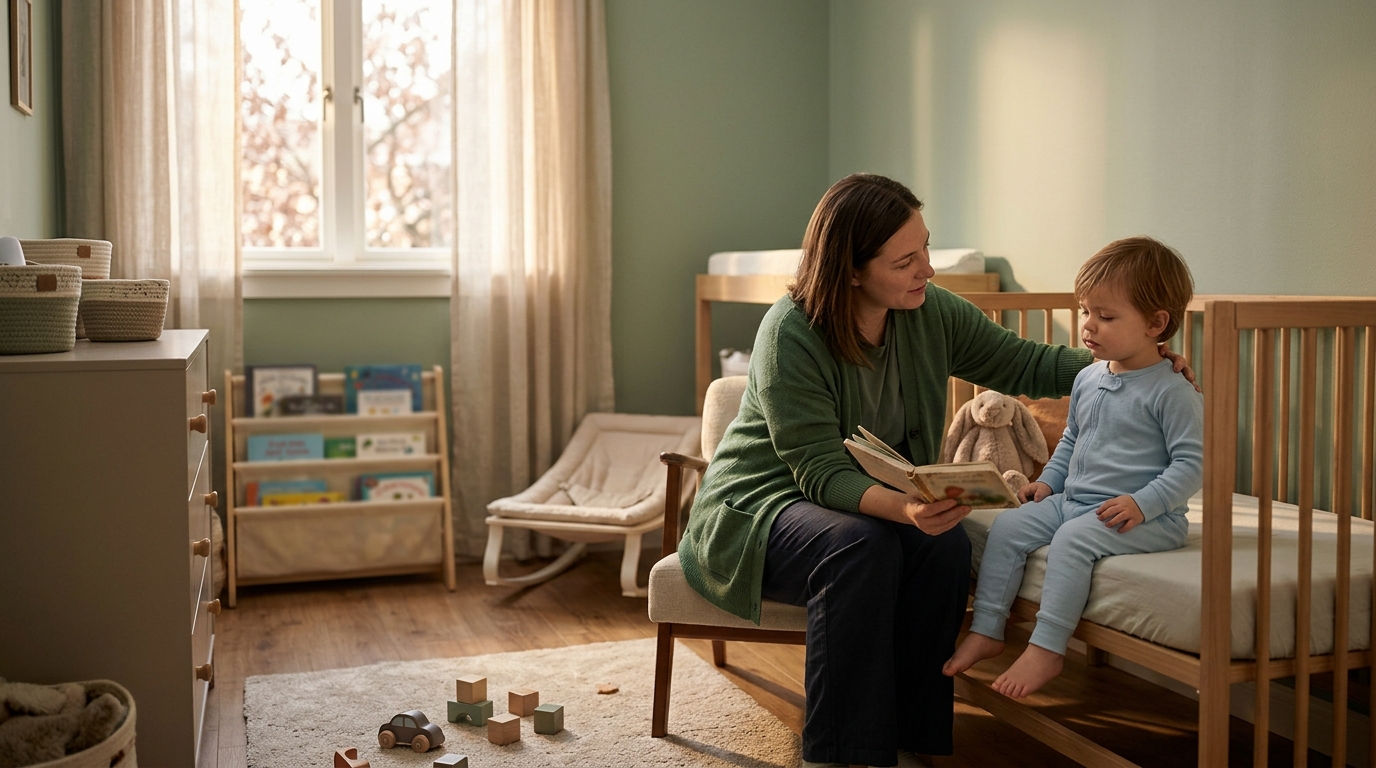
When your 2-year-old wakes at night, pause briefly to see whether they settle on their own, then respond quietly if they need you; keep the lights dim and your voice calm so nighttime stays distinct from playtime. Offer simple reassurance, such as a gentle pat or a familiar phrase, and return them to their own sleep space if that is where you want them to sleep.
Look for a Possible Cause
Night waking can happen when a toddler is uncomfortable, teething, ill, experiencing separation anxiety, or adjusting to a change in routine, so consider what else has changed before choosing a response. Check for practical disruptions such as a wet diaper, a room that feels too warm or cold, or noise, and talk with your child’s pediatrician if you suspect pain, illness, or another persistent concern.
Featured in this guide
Toddler Night Wake Guide | Gentle Sleep Strategies for Parents | What to Do When Toddler Keeps Waking at Night | Create Restful Nights & Happy Bedtimes
Make Bedtime Predictable
A consistent bedtime routine can help your toddler understand what comes next: try a short sequence such as pajamas, toothbrushing, a book, and a goodnight, with a similar bedtime each evening. If bedtime has become a struggle or your child seems overtired, review the timing of naps and bedtime, making gradual adjustments rather than changing the whole schedule at once.
Check the product’s listed specifications when evaluating make bedtime predictable.
Choose an Approach You Can Repeat
Decide how you want to comfort your child during wake-ups, whether that means brief check-ins or sitting nearby and gradually moving farther away, and try to respond in a similar way each night. Our Toddler Night Wake Guide offers gentle sleep strategies for parents who want to think through their bedtime approach, and we suggest giving any routine time while adapting it to your child’s needs.
FAQ
How to stop a 2-year-old from waking up at night?
Start with a predictable bedtime routine and a calm, consistent response when your child wakes, while addressing obvious discomfort or disruptions. Night waking may not stop immediately, so focus on a manageable approach you can repeat and ask your pediatrician for help if the problem continues.
See if Toddler Night Wake Guide | Gentle Sleep Strategies for Parents | What to Do When Toddler Keeps Waking at Night | Create Restful Nights & Happy Bedtimes fits your setup








Leave a comment