Toddler Sizing Tips for an Autumn Plaid Long-Sleeve Dress
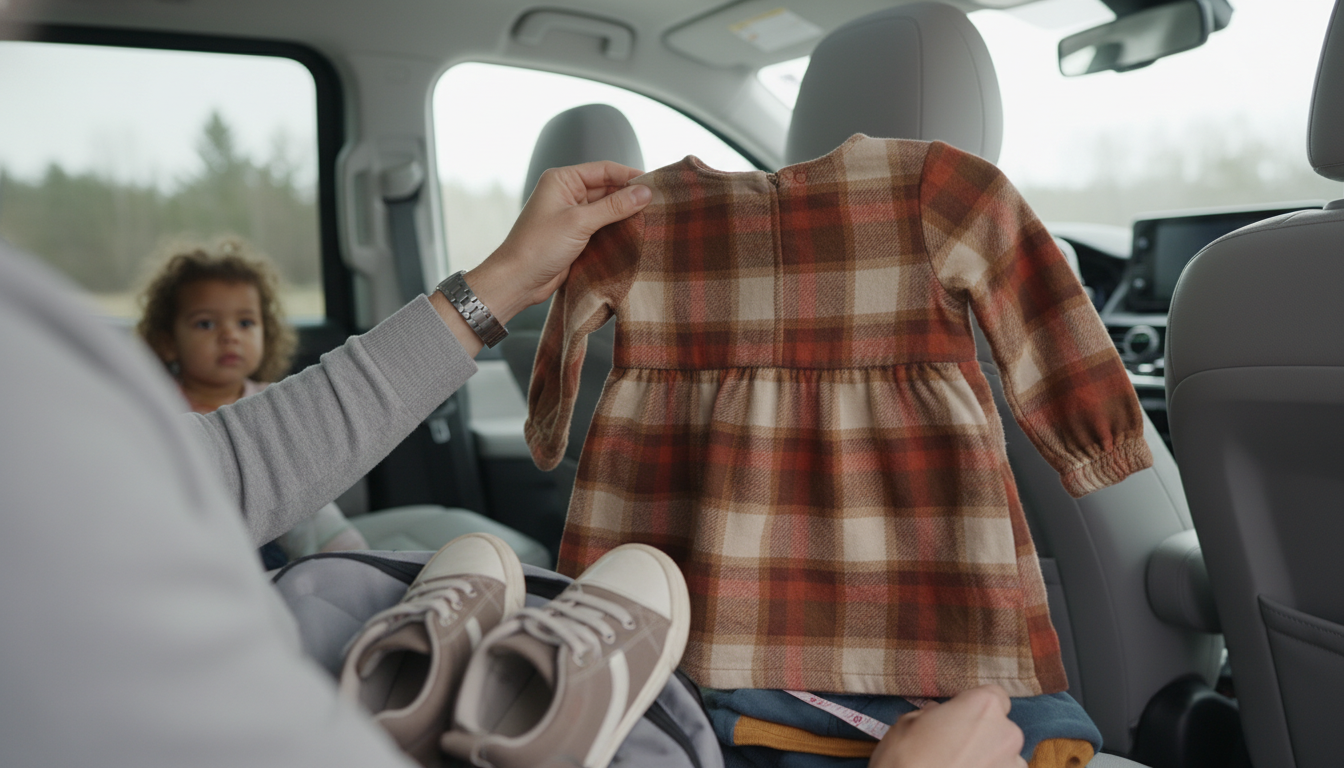
How do I choose the right size autumn plaid long sleeve dress for a baby girl aged 1–4 years?
Start with current measurements (not just age)
Between ages 1 and 4, toddlers can vary a lot in height and build, so age labels are only a starting point. Use a soft measuring tape to note your child’s height, chest, and waist, then compare those numbers to the dress’s size chart. If you’re between sizes, choosing based on height usually gives the best overall fit for dresses.
Decide how you want it to fit
For a classic fall look that still allows play, aim for a comfortable fit through the chest and sleeves with enough room to sit, bend, and be carried. If the dress is meant to layer over tights, a bodysuit, or a long-sleeve top, allow a little extra space in the torso and arms. If it’s for a photo moment and you prefer a neater silhouette, prioritize a closer fit at the chest and shoulders while keeping movement in mind.
Pay attention to sleeve and shoulder comfort
Long sleeves should reach near the wrist without bunching excessively. If your child has broader shoulders or thicker arms, sizing up can prevent tightness at the armhole and keep the dress comfortable for all-day wear. Dresses that feel snug in the shoulders often ride up and look shorter, even if the length seems right.
Plan for growth during the season
Autumn and early winter can span several months, and toddlers may have a growth spurt mid-season. If you want the dress to last from early fall through holiday gatherings, sizing up can be smart—especially when the dress has an adjustable waist, relaxed skirt, or flexible fabric. The goal is a dress that still looks intentional, not oversized.
For a step-by-step sizing walkthrough and extra fit tips, see the full guide here: https://babyjoyboutique.com/blog/how-do-i-choose-the-right-size-autumn-plaid-long-sleeve-dress-for-a-baby-girl-aged-years/.
FAQ
What should my toddler wear under a long sleeve plaid dress in fall?
For mild days, a cotton bodysuit or undershirt helps with comfort and prevents itchiness. When it’s cooler, add tights or leggings and consider a light layering top if the dress isn’t heavy.









Leave a comment