Toddler Won’t Eat Veggies? Gentle Tips That Actually Help
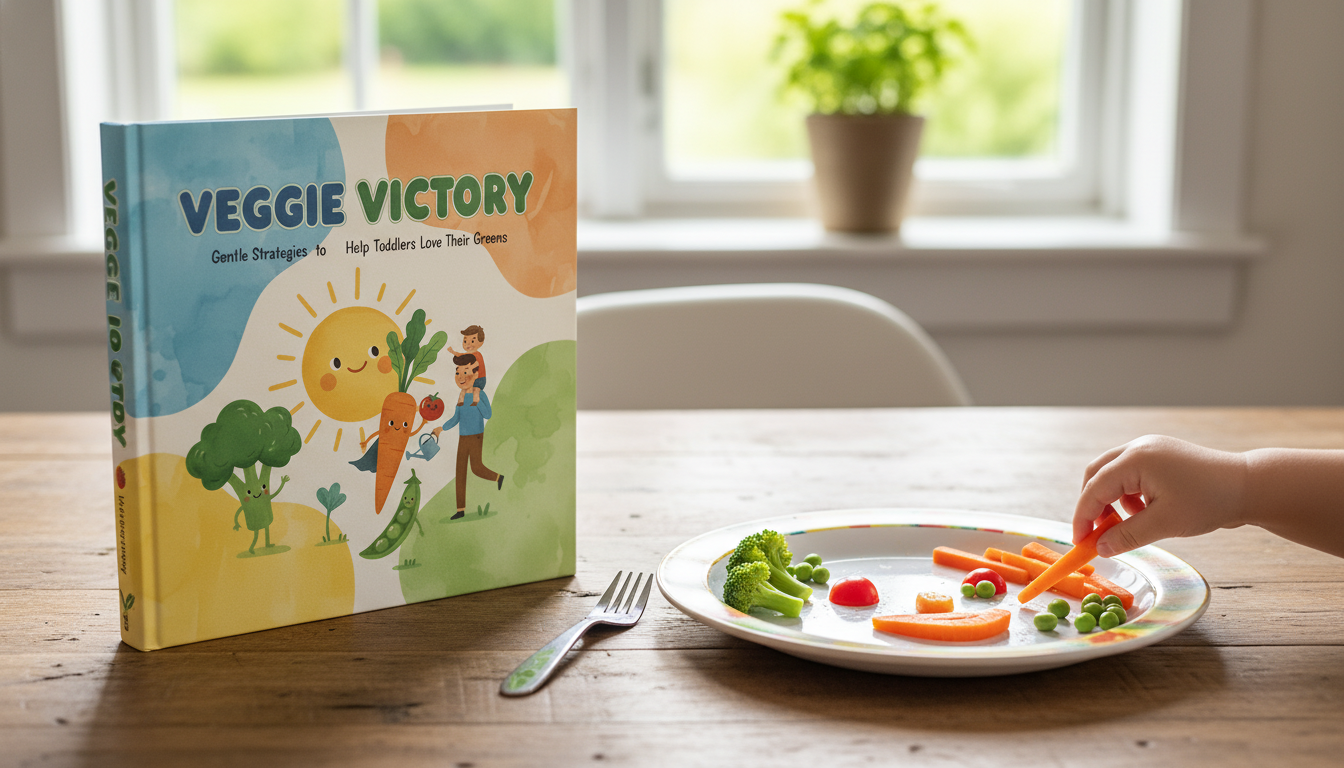
Veggie Victory: Gentle Strategies for When a Toddler Won’t Eat Veggies
Toddlers often reject vegetables for reasons that have nothing to do with parenting “mistakes”: new textures can feel intense, appetites fluctuate, and independence shows up at the table. A calm, repeatable approach can reduce mealtime battles while gradually building comfort with greens and other vegetables.
Why toddlers resist vegetables (and why it’s common)
If your toddler turns down broccoli today after eating it last week, that’s frustrating—but it’s also typical. Vegetable resistance is often a mix of biology, development, and experience, not a sign that you’ve “done it wrong.”
- Taste and texture sensitivity: Bitter notes, fibrous textures, and mixed foods can be harder for young children.
- Normal developmental behavior: “Food neophobia” (caution around new foods) often peaks in the toddler years.
- Control and autonomy: Refusing a food can be a simple way to practice independence.
- Appetite changes: Growth spurts and slow-downs make hunger unpredictable day to day.
- Past pressure or stress: Being coaxed, bribed, or forced can make veggies feel like a conflict zone.
For general feeding and nutrition guidance, these reputable resources can be helpful: American Academy of Pediatrics (HealthyChildren.org) and the CDC’s Infant and Toddler Nutrition page.
A gentle mealtime foundation that reduces power struggles
The fastest way to make vegetables harder is to make them emotional. A low-pressure foundation keeps meals steady even when a toddler’s appetite or mood isn’t.
- Keep roles clear: Adults choose what foods are offered and when; the child chooses whether to eat and how much.
- Serve at predictable times: Meals and snacks on a loose schedule can prevent grazing that kills appetite.
- Offer water with meals: Keep milk and juice portions reasonable so hunger remains available for food.
- Aim for calm neutrality: Respond to refusal with short, non-reactive language (e.g., “You don’t have to eat it.”).
- Use family-style serving when possible: Placing veggies on the table (not on the child) can reduce pressure and increase curiosity.
The slow-win plan: repeated exposure without pressure
Vegetable acceptance is usually a “many small steps” process. Instead of measuring success by bites, measure it by exposure—seeing, smelling, and touching counts as progress.
- Think in exposures, not bites: Familiarity builds even when they don’t eat it.
- Start with micro-portions: One pea, a single cucumber round, or a tiny broccoli floret lowers the “risk.”
- Pair a new veggie with a safe food: Familiar carbs or proteins make the plate feel secure.
- Rotate cooking methods: Raw, steamed, roasted, sautéed, blended into soups, or served cold can change acceptance.
- Use “learning bites”: Licking, touching, or a “tiny taste” is valid progress—no insistence on more.
Veggie exposure ladder (no-pressure steps)
| Step | What it looks like | How to respond |
|---|---|---|
| 1 | Veggie is on the table (not necessarily on the plate) | Stay neutral; model eating it. |
| 2 | Child allows it on the plate | Thank them for trying; no comments about finishing. |
| 3 | Touching/playing/smelling | Name it casually: “That’s crunchy.” |
| 4 | Lick or tiny taste | Praise effort, not outcome: “You tried it.” |
| 5 | A few bites over time | Keep serving it; avoid celebrating like it was a battle won. |
Make vegetables easier to say “yes” to
Many toddlers do better when vegetables feel predictable, soft enough to manage, and paired with something familiar.
- Choose toddler-friendly textures: Soft-cooked carrots, roasted sweet potato wedges, thin cucumber slices, peas, or sautéed zucchini coins.
- Add a dip option: Hummus, yogurt-based dip, guacamole, or mild ranch can reduce bitterness and add familiarity.
- Use “two yeses” choices: “Broccoli or green beans?” instead of “Do you want vegetables?”
- Keep flavors simple: A little butter/olive oil, mild seasoning, and a pinch of salt (as appropriate for age) can help.
- Serve veggies earlier in the meal: Some toddlers taste more willingly before they fill up on favorite foods.
If you’re working on calm, consistent plates, tools that reduce mess and keep portions separate can help. A suction-style set like the 6PCS Silicone Baby Feeding Set with Lion Plate, Bib, Cup, Spoon & Fork can make it easier to offer micro-portions without constant spills or plate-flipping distractions.
Gentle scripts for common veggie standoffs
Short, steady language communicates safety. The goal is to end the debate, not win it.
Involve toddlers in veggies without turning it into homework
When to talk to a pediatrician
A simple weekly rhythm for steady progress
A digital guide that keeps the approach calm and consistent
Consistency is hard when you’re tired and dinner is melting down. For parents who want a clear plan and gentle language for daily situations, Veggie Victory: Gentle Strategies to Help Toddlers Love Their Greens (digital guide) focuses on low-pressure strategies that fit real toddler behavior.
FAQ
How many times does a toddler need to try a vegetable before they like it?
It often takes many low-pressure exposures, and “trying” can include seeing, smelling, touching, or a tiny taste. Keep serving small portions regularly and model eating it without forcing.
Should vegetables be hidden in foods for picky toddlers?
Blending veggies into familiar foods can help nutrition in the short term, but it works best alongside visible vegetables so your child builds familiarity and trust. Avoid relying on hidden veggies as the only approach.
What if my toddler refuses all vegetables but eats fruit?
Keep fruit on the menu while pairing it with low-pressure veggie exposure (tiny portions, dips, and gentle textures). If constipation, sensory concerns, or growth issues are present, check in with your pediatrician.










Leave a comment