Toddler Sleep Tips for Noisy Nights: White Noise & Routine
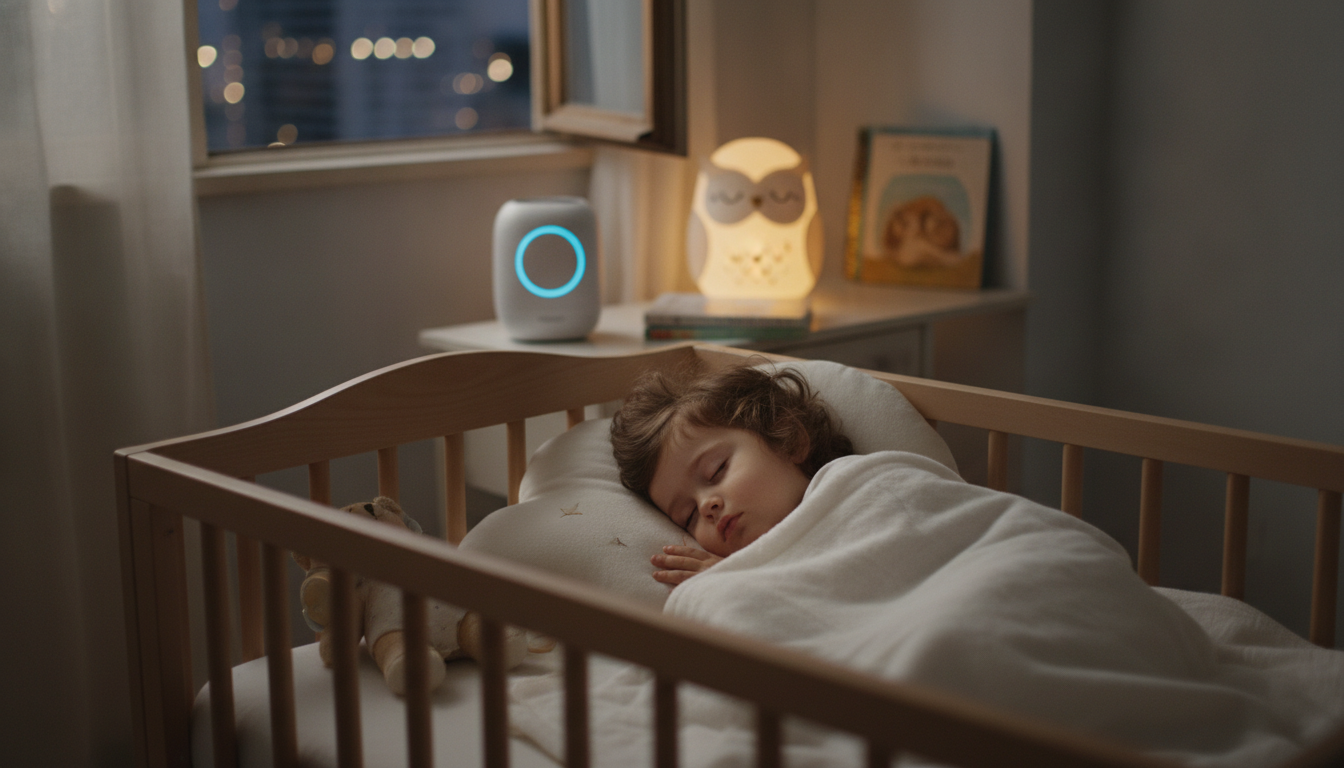
Helping Your Toddler Sleep Through Noise: Calm Nights Even with Loud Sounds
Sudden bangs, traffic, barking dogs, or noisy siblings can jolt a toddler awake—especially during lighter sleep phases. The good news is that better sleep around noise usually comes from a practical plan: a predictable bedtime routine, a sleep-friendly sound environment, and gentle practice so everyday noises become less disruptive over time.
Why toddlers wake up from noise
Toddlers aren’t “bad sleepers” because they wake when a door slams or a siren passes. A few normal, fixable factors are usually at play:
- More light sleep at points in the night: During lighter sleep, the brain is quicker to notice changes—like a sudden sound peak.
- Development + separation concerns: New skills and new worries can make toddlers more alert to the environment, including sounds.
- Overtiredness can backfire: An overtired child may crash fast but wake more easily and struggle to resettle.
- Natural sound sensitivity: Some kids are simply more reactive. That can be managed with consistency rather than chasing “perfect silence.”
Start with the basics: a steady sleep setup
Before buying anything or overhauling the bedroom, tighten up the fundamentals. When sleep pressure and timing are right, toddlers sleep through more noise.
- Keep bedtime and wake time consistent (including weekends). Consistency reduces night wakings triggered by minor disturbances.
- Aim for an age-appropriate schedule. A too-late bedtime often increases night waking and early rising. For general sleep needs by age, see the CDC guidance on recommended hours of sleep.
- Use a short, repeatable wind-down routine (bath, pajamas, books, cuddles). The more predictable the sequence, the more easily the brain returns to sleep even when noises occur.
- Optimize the room: dark and comfortably cool. Heat and light can make noise disruptions feel bigger.
- Reduce “direct hits” from noise: if possible, move the crib/bed away from the loudest window or shared wall; add a draft stopper to reduce sound leakage under doors.
If you’re also reviewing safe sleep and room basics, the American Academy of Pediatrics safe sleep recommendations can be a helpful reference point.
Build a ‘sound buffer’ that masks sudden peaks
Most toddlers wake from the contrast between silence and a sudden noise (like a bark after a quiet stretch). A steady background sound smooths those peaks so the sound feels less “alarming.”
- Use continuous background sound to reduce the contrast between quiet and sudden noises.
- Choose steady, non-looping audio when possible (fans or sound machines) so there aren’t obvious pattern changes that grab attention.
- Keep volume moderate and safe and place the device across the room rather than right next to the bed. For general hearing safety guidance, review HealthyChildren.org information on noise and hearing.
- Layer solutions for unpredictable outdoor noise: curtains + rug + continuous sound can make a noticeable difference.
- Match naps to nights when you can. A consistent sound environment helps your toddler learn one stable sleep context.
Common noise sources and practical fixes
| Noise source | Why it wakes toddlers | What helps most |
|---|---|---|
| Traffic / sirens | Sharp peaks after quiet periods | Continuous sound + heavier curtains; bed away from window |
| Barking dogs | Irregular bursts; social-alert sound | Continuous sound + nighttime routine reset cue (same phrase/song) |
| Siblings / household activity | Footsteps and voices travel through doors | Door draft stopper + hallway sound machine + quiet-time rules |
| Apartment neighbors | Impact noise and vibrations | Rug/padding + white noise; move bed away from shared wall |
Gentle practice: help the brain stop treating noise as an alarm
Beyond the environment, toddlers benefit from low-pressure practice that teaches “noise doesn’t mean danger” (and doesn’t mean the party is back on).
What to do when loud noises happen at night
Helpful picks from our store (to support calmer nights)
- Helping Your Toddler Sleep Through Noise | Ebook on How to Help Toddler Sleep Through Loud Noises — a guided, parent-friendly approach with practical scripts and routines.
- Girls Knit Sweater Dress with Heart Print & Ruffle Collar — cozy, comfortable clothing can be part of a predictable “pajamas and wind-down” cue (especially in cooler rooms).
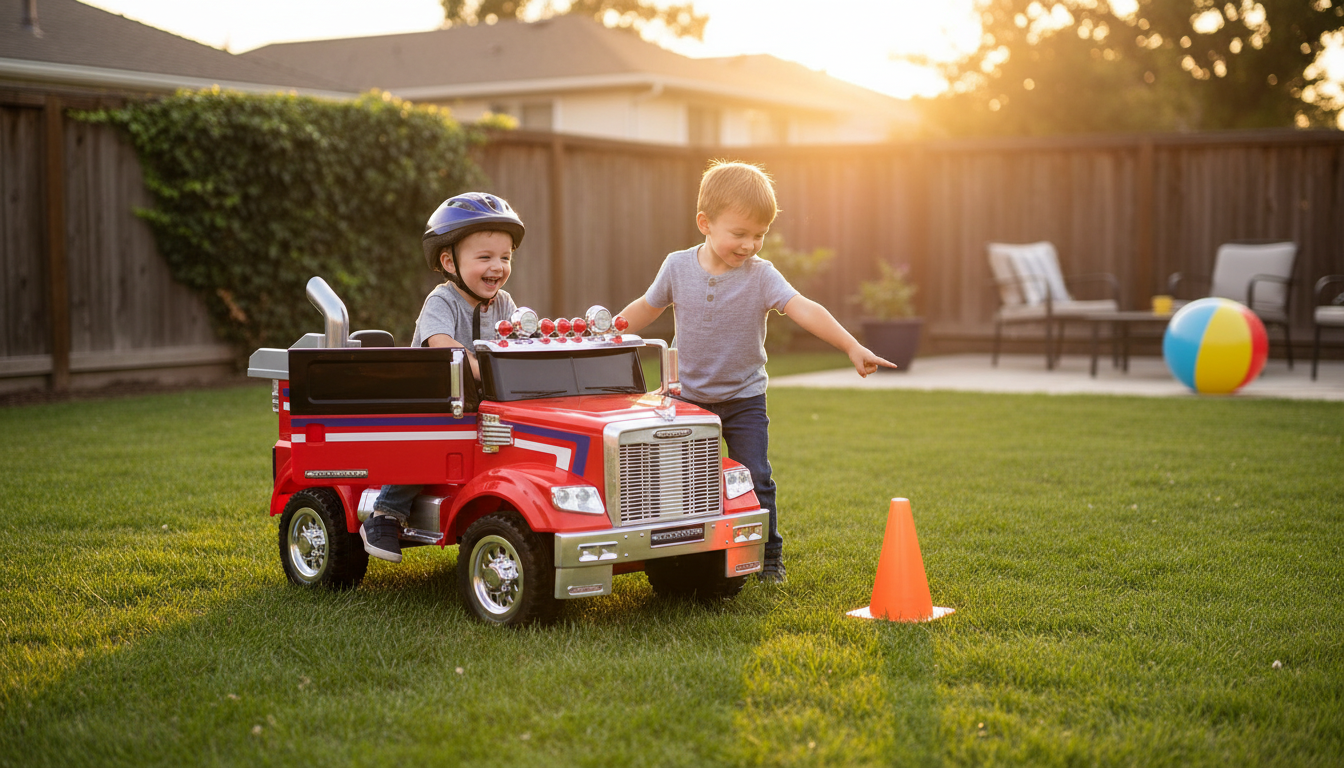
- High-Speed 1/8 Scale Monster Tank RC Car — earlier daytime play (well before bedtime) can help toddlers get quality movement in, which supports smoother sleep for many kids.
When to adjust the plan or seek extra support
A structured step-by-step plan for quieter-feeling nights
Track patterns for 7–10 days (bedtime, wake-ups, noise events, nap length). The goal isn’t total silence or a noise-proof home—it’s fewer full wake-ups and faster resettling. For a guided, parent-friendly approach with practical scripts and routines, use the Helping Your Toddler Sleep Through Noise | Ebook on How to Help Toddler Sleep Through Loud Noises.
FAQ
Is white noise safe for toddlers?
White noise can be used safely when it’s kept at a moderate volume and placed across the room rather than right next to your toddler’s bed. Use continuous sound (not sudden bursts), and if you’re unsure about volume, check pediatric hearing-safety guidance.
How long does it take for a toddler to get used to loud noises at night?
Many families notice improvement in about 1–3 weeks when they’re consistent with schedule, a steady sound buffer, and a predictable resettling response. Temperament and how often disruptive noises occur can shift the timeline, so gradual progress is normal.
Should the room be totally quiet for toddler sleep?
Total silence can make sudden noises feel bigger and more startling. A steady background sound often helps by reducing the contrast between quiet and a sudden bark, bang, or siren.







Leave a comment