Teaching Kids Patience: Gentle Tools for Calm Waiting
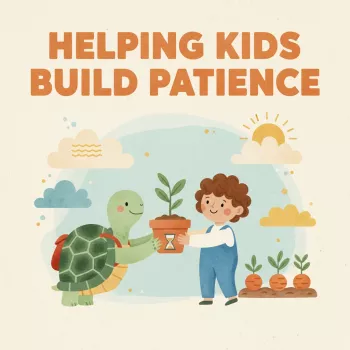
Helping Kids Build Patience: Practical Gentle Parenting Tools for Calm, Confident Waiting
Patience is a skill that grows with practice, support, and realistic expectations for a child’s age and temperament. With gentle, consistent coaching, kids can learn to wait, take turns, handle “not yet,” and recover from frustration—without shame or power struggles. Patience isn’t a personality trait some kids “have” and others don’t; it’s a set of brain-based skills that strengthens over time, especially when adults provide steady structure and calm co-regulation. Resources on self-regulation and executive function from the Harvard Center on the Developing Child and guidance for everyday parenting from the CDC Essentials for Parenting can help normalize what’s developmentally expected.
What Patience Looks Like at Different Ages
Waiting is a moving target because children’s nervous systems and coping skills change quickly. Comparing siblings or expecting “adult-level” patience too early often backfires.
- Toddlers: very short wait times; needs immediate co-regulation and simple language.
- Preschoolers: can handle brief waiting with clear structure, visuals, and predictable routines.
- School-age kids: can use coping tools (breathing, self-talk, timers) and reflect after the moment.
- Temperament matters: some children need more movement breaks and more practice in tiny steps.
- Progress signals: shorter meltdowns, quicker recovery, asking for help, and using a tool without prompting.
Why Waiting Feels So Hard (and Why It’s Not “Bad Behavior”)
Most “impatient” behavior is a child showing that their desire or discomfort arrived faster than their ability to manage it. Self-control develops gradually, and a child can want to cooperate while still being overwhelmed.
- Skills lag behind feelings: self-control builds in small layers; big emotions can hit all at once.
- Body states matter: hunger, tiredness, transitions, and overstimulation make waiting dramatically harder.
- Uncertainty feels like danger: kids often interpret waiting as “maybe never.” Predictability reduces panic.
- Adults set the tone: when grown-ups rush or snap, kids learn urgency; calm modeling teaches steadiness.
- Goal: skill-building—helping a child move from dysregulation to regulation.
If big feelings are frequent or intense, the American Academy of Pediatrics offers practical, child-centered guidance for supporting emotional regulation.
Gentle Parenting Foundations That Build Patience
Gentle parenting isn’t “letting everything slide.” It’s leading with connection while keeping the limit firm and the guidance clear. Patience grows best in a relationship where the child feels safe—even when the answer is “not yet.”
- Connect first: name the feeling and show understanding before giving direction.
- Set clear boundaries: “You can be mad, and you can still wait safely.”
- Make waiting concrete: use timers, visual countdowns, or a “first/then” card.
- Coach replacement behaviors: squeeze hands, count, deep breaths, look for the next step.
- Reinforce effort: notice small wins (“You waited while I poured the milk—nice work.”)
A Simple 4-Step Plan for Teaching Patience in the Moment
When waiting triggers a spiral, having a repeatable script keeps you steady and reduces negotiation. The goal is not perfect behavior—it’s practicing the skill safely.
Quick Patience Practice Ideas (No Extra Supplies)
Patience Practice by Age (Quick Wins)
| Age range | Best wait length to start | Tools that help | Try this today |
|---|---|---|---|
| 2–3 years | 5–20 seconds | First/then, short timer, holding a comfort item | “First shoes, then outside” + 10-second timer |
| 4–5 years | 30–90 seconds | Visual countdown, waiting job, simple coping phrase | “When the timer beeps, it’s your turn” |
| 6–8 years | 2–5 minutes | Checklist, coping plan, previewing transitions | “Two-minute wait challenge” with a calm activity |
| 9–12 years | 5–15 minutes | Self-talk, planning, delayed reward choices | “Pick what you’ll do while you wait” plan |
What’s Inside the Printable Patience Guide (Digital Download)
When you’re tired or stressed, it’s hard to invent the right words and steps on the fly. A consistent, printable plan can reduce power struggles because it makes expectations predictable for kids and easier to repeat for adults. The Helping Kids Build Patience printable parenting guide (digital download) is built for real-life “not yet” moments—snacks, screens, transitions, waiting rooms, and turn-taking.
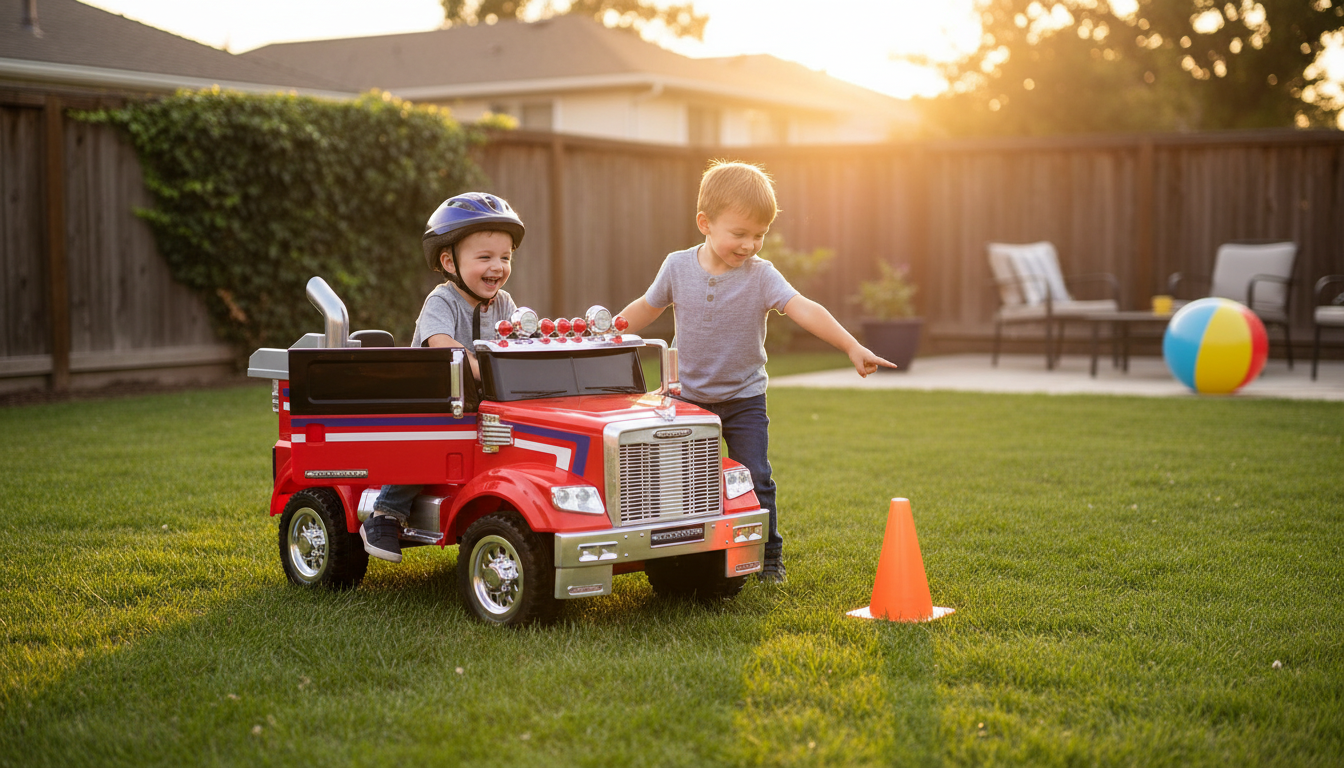
For playful turn-taking practice at home, a shared activity that naturally requires “my turn/your turn” can help. Depending on your child’s age and supervision level, you might use a toy like the High-Speed 1/8 Scale Monster Tank RC Car to practice waiting for a timer or taking turns with a sibling. For outdoor waiting and transition practice (helmet on, seatbelt first, then go), the Kids’ 12V Ride On Land Rover with Remote Control and LED Lights can create natural, repeatable routines around “first/then.”
How to Use the Guide for Calm & Confidence (A 7-Day Starter Routine)
FAQ
How long should a child be expected to wait?
Start with very short waits that match age and temperament (seconds for toddlers, a minute or two for preschoolers, a few minutes for early elementary) and increase gradually. Shorten expectations when your child is hungry, tired, sick, or overstimulated, and treat waiting like a skill you practice—not a test they pass or fail.
What if my child melts down every time they hear “wait”?
Validate first, then use fewer words and a predictable tool like a timer or first/then so “wait” feels concrete and finite. Offer one calming action (squeeze hands, breathe, hold a comfort item), and practice tiny waits during calm moments so the skill is familiar before the hard times.
Does gentle parenting mean giving in to avoid tantrums?
No—gentle parenting pairs empathy with firm boundaries. The goal is to hold the limit while coaching the skills a child needs to handle disappointment, recover from frustration, and try again next time.







Leave a comment