Soft Double-Sided Cotton Baby Bib for Teething & Meals
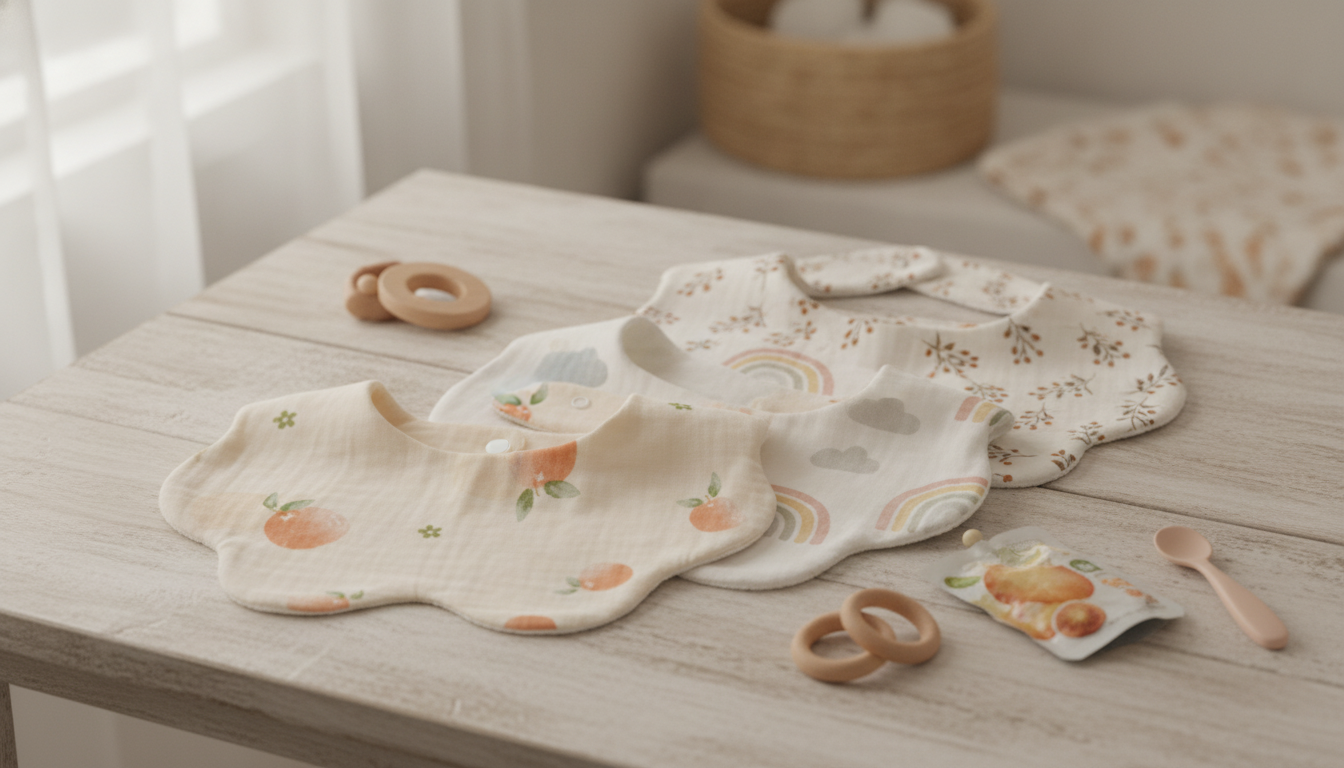
Soft Double-Sided Cotton Baby Bib: Everyday Comfort for Mealtime and Drool
A gentle, double-layer cotton bib helps keep baby’s outfit drier while staying comfortable against delicate skin. When drool ramps up during teething or early feeding gets messy, a soft bib that’s pleasant to wear can make day-to-day care feel simpler. Below are practical tips on what to look for, how to use a bib safely, and how to keep cotton feeling soft wash after wash. For more guidance, see Crochet Bib Baby Bibs Soft And Absorbent Cotton Bandana ….
Why double-sided cotton makes a difference
Babies can wear bibs for long stretches—during teething, bottle feeds, stroller rides, and errands—so fabric choice matters. A double-sided cotton bib aims to balance comfort and everyday performance. For further reading, see Making Super Simple Little Bibs.
- Soft feel on both sides: When both faces feel smooth, there’s less chance of scratchy contact against the chin and neck during long wear.
- Two usable sides: If one side gets damp or lightly soiled, flipping to the second side can buy time until the next full change.
- Breathable cotton: Cotton tends to breathe well, which can help reduce sweaty neck folds in warm rooms or under layers.
- Better absorbency than a single layer: A thicker, layered bib often holds drool and small spills more effectively so moisture doesn’t sit on clothing.
What to expect from the Soft Double-Sided Cotton Baby Bib
This style of bib is built for everyday rotation—easy to put on, comfortable to wear, and simple to launder. A soft cotton surface is especially helpful for babies with sensitive skin or during drool-heavy phases when the bib is in frequent contact with saliva.
- Designed for daily use: Works as a regular part of the morning routine and quick swaps throughout the day.
- Gentle cotton feel: Meant for close contact around the chin and neck, where skin can be more reactive.
- Flip-to-fresh flexibility: Double-sided construction supports quick changes without immediately reaching for a new bib.
- Best for: Teething drool, bottle drips, first solids, and on-the-go outfit protection.
Quick product snapshot
| Detail | What it means for daily use |
|---|---|
| Material | Cotton feel on both sides for soft contact against skin |
| Construction | Double-sided, layered bib for better absorbency and longer wear |
| Primary jobs | Drool control, minor spills, and outfit protection |
| Care style | Made for frequent washing and regular rotation |
Fit and comfort: getting the most from a baby bib
A bib can only do its job if it’s comfortable enough to keep on—and fitted in a way that reduces rubbing and leaks.
- Check neck fit: Aim for snug enough to prevent big gaps, but loose enough to slide two fingers under the closure area.
- Watch for rubbing: Look under the chin and around the neck, especially during teething when saliva exposure increases.
- Dress for the room: For newborns and younger infants, lighter layers under the bib can help prevent overheating indoors.
- Change promptly when saturated: Keeping folds dry is often the difference between “a little drool” and visible redness.
Using it through the day: simple routines
Having a consistent bib routine keeps outfits cleaner and reduces the time moisture sits against baby’s skin.
- Morning: Put on a fresh bib after dressing and stash a spare nearby for quick changes.
- During feeding: Swap to a clean, dry side before solids, then gently wipe the chin and neck after meals.
- Outings: Pack 2–3 bibs in a small wet bag; flip to the second side if the first side gets messy.
- Teething peaks: Rotate more often—constant dampness can contribute to chapping, especially in cooler weather.
Care and washing tips to keep cotton soft
Cotton can stay comfortable for the long haul with a few easy habits—especially when bibs are washed frequently.
Safety notes for bib use
- Remove for sleep: Take bibs off during naps and overnight unless the product is specifically designed and labeled for safe sleep. Review the American Academy of Pediatrics guidance here: AAP — Safe Sleep Recommendations.
- Inspect closures and seams: Stop using the bib if parts loosen, fray, or detach.
- Supervise during feeding: A bib helps with mess, but it doesn’t prevent choking; keep close watch during meals. For safety reminders, see CDC — Choking Hazards (Child Safety).
- Respond to redness early: Keep the area clean and dry, and increase bib changes if irritation appears.
A simple checklist before adding to cart
Two easy outfit pairings for day-to-day life
When drool and drips are handled, outfits stay cleaner longer—especially during errands, family visits, and photos. Pair a practical bib with a cozy outfit option like the Girls Knit Sweater Dress with Heart Print & Ruffle Collar, and keep a couple of clean bibs in your bag for quick swaps.
If your baby is starting solids, it’s also worth reviewing early-feeding allergy awareness from the U.S. FDA — Food Allergies so mealtimes stay both comfortable and informed.
FAQ
Can a cotton bib help with teething drool rash?
It can help by keeping clothing drier and reducing how much moisture sits on the skin, but preventing rash usually depends on changing bibs often, gently cleaning and drying the chin/neck, and using a barrier cream if your pediatrician recommends it.
How many baby bibs are practical for everyday use?
Many families find 6–12 bibs practical for daily life, depending on laundry frequency and how drool-heavy the teething phase is. If daycare is involved or you’re out often, having a few extras for the diaper bag makes quick swaps easier.
Should a baby wear a bib during naps or overnight?
Generally, no—remove bibs for naps and overnight sleep unless they are specifically designed and labeled for safe sleep. When a baby is unsupervised, it’s safest to avoid items worn around the neck.








Leave a comment