Portable White Noise Sleep Aid with Bluetooth Speaker
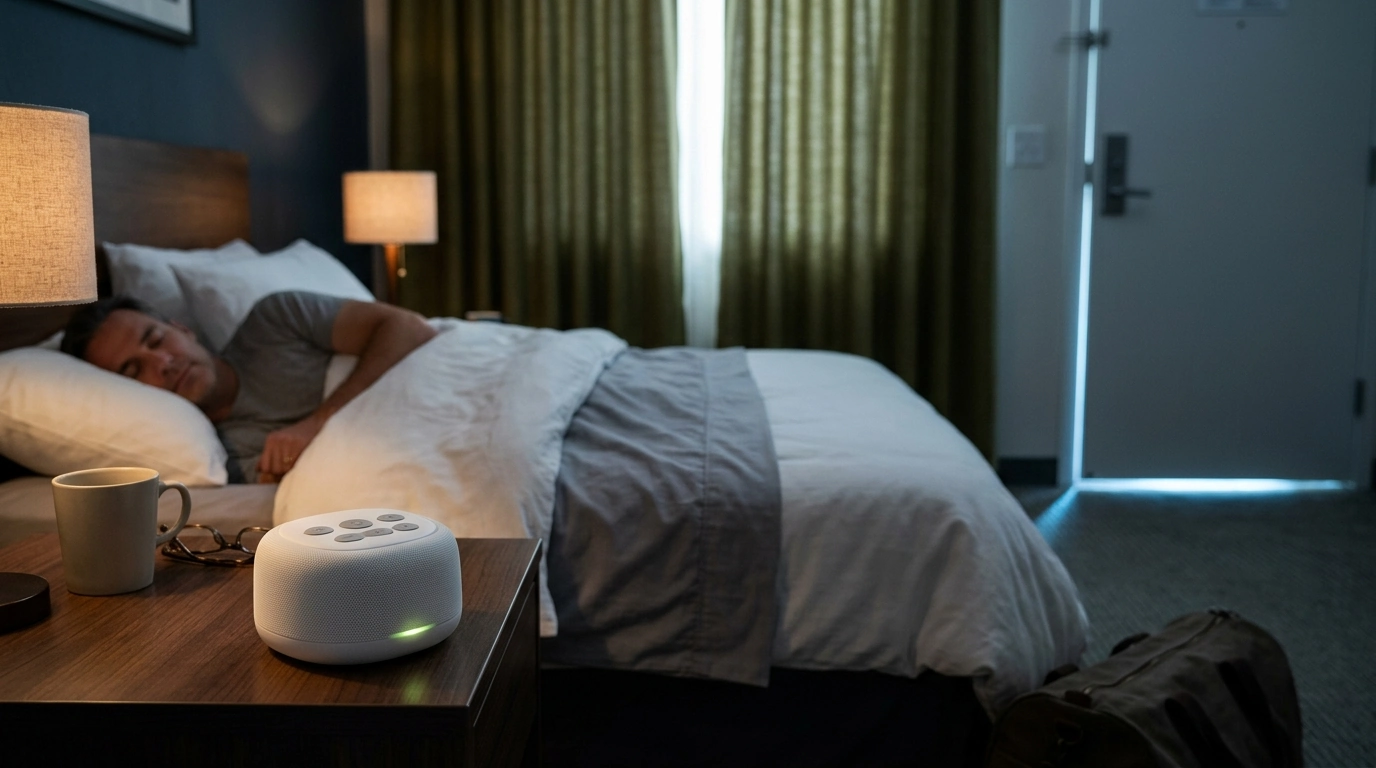
Portable White Noise Sleep Aid & Bluetooth Speaker: Calmer Nights at Home and on the Go
A portable sleep sound machine that also doubles as a Bluetooth speaker can make bedtime simpler—especially for light sleepers, families in shared spaces, and anyone who travels. By smoothing out sudden noise (like traffic or hallway sounds) and offering familiar audio cues, a compact unit helps create a more predictable sleep environment without relying on a phone’s tiny speaker. Below is what to expect from a portable sound device, which features matter most, and how to use it in real-life routines for naps, nights, and travel.
What a portable sleep sound device can do
Noise changes are one of the most common reasons people wake up—whether it’s a neighbor’s door, a loud car, or a sibling moving around. A portable white noise device helps by creating a steady layer of sound that makes sudden spikes less noticeable. This “masking” effect is why white noise is often used in bedrooms, nurseries, and hotel rooms (for a quick primer, see Britannica’s overview of white noise).
- Masks sudden sounds (traffic, neighbors, household noise) to reduce sleep disruptions
- Creates a consistent bedtime cue for babies, kids, and adults
- Offers flexible listening: built-in soothing sounds plus Bluetooth audio for playlists or stories
- Supports travel and room-to-room use without relying on a phone speaker
- Helps with naps in brighter, noisier settings when paired with other sleep routines
For families, consistency is the hidden advantage: when the same sound starts at the same time each night, it becomes a clear “sleep signal.” Over time, that cue can make wind-down faster and smoother—especially during schedule shifts, hotel stays, or visits with relatives.
Key features to look for before buying
Not every sound machine is equally useful in a real bedroom. The best portable options balance sound quality, easy controls, and dependable power—without being complicated at 2 a.m.
- Sound options: steady white noise, nature sounds, lullabies, or fan-like tones so each sleeper can find what’s most relaxing
- Volume range: low enough for close-range use, high enough to cover background noise without distortion
- Timer and continuous play: pick a timer if you only need help falling asleep, or continuous play for noisy environments and light sleepers
- Battery and charging: rechargeable battery life plus a convenient charging port for travel and power outages
- Bluetooth reliability: stable connection, easy pairing, and memory for previously paired devices
- Portability: compact size, durable build, and simple controls for nighttime adjustments
Also consider where you’ll use it most. A nursery might prioritize gentle volume control and simple buttons, while frequent travelers may care more about battery life and quick pairing in unfamiliar rooms.
Quick comparison: white noise modes vs Bluetooth playback
Built-in sounds are usually the most dependable overnight because they don’t depend on a phone connection or notifications. Bluetooth playback shines during the wind-down period when you want stories, lullabies, or meditation tracks. Many households find a mixed routine works best: Bluetooth for bedtime, built-in sound for sleeping.
| Feature | Best for | Typical bedtime use | Watch-outs |
|---|---|---|---|
| Built-in white noise / nature sounds | Overnight masking and consistency | Set volume, run continuously or use a timer | Choose a safe volume; avoid placing too close to a baby’s ear |
| Bluetooth speaker mode | Custom audio (stories, lullabies, meditation) | Play a track list during wind-down, then switch to built-in sound | Phone notifications can interrupt audio if not configured |
| Timer function | Falling asleep with gradual quiet | Set 15–60 minutes based on routine | Some sleepers may wake when sound stops |
| Continuous play | Light sleepers, noisy environments | Run all night at a comfortable level | Battery life matters if not plugged in |
How to use it effectively for babies, kids, and adults
Sound masking works best when it’s comfortable, consistent, and paired with other sleep-friendly habits. A device can help, but placement and settings matter—especially with infants.
For children, healthy sleep duration also matters alongside the sleep environment. The CDC’s guidance on age-based sleep needs can help families set realistic routines and bedtimes (CDC: How many hours of sleep do children need?).
Portable White Noise Sleep Aid & Bluetooth Speaker at a glance
If you’re shopping for a compact all-in-one option, see the Portable White Noise Sleep Aid & Bluetooth Speaker.
Travel-friendly picks from our store
- Portable White Noise Sleep Aid & Bluetooth Speaker (for consistent sleep sounds and bedtime audio)
- Girls Knit Sweater Dress with Heart Print & Ruffle Collar (a cozy option for cooler evenings, family dinners, or quiet wind-down time)
Safety and sleep environment tips
For infant sleep environments, follow established safe sleep guidance such as NICHD Safe to Sleep.
FAQ
Is white noise safe to use all night?
White noise can be used overnight when it’s kept at a safe, comfortable volume and placed at an appropriate distance from the sleeper, especially for babies. Use the lowest effective setting and avoid positioning the device right next to a crib or pillow; if you have infant-specific concerns, follow pediatric safe sleep guidance.
Will Bluetooth playback interrupt if a phone gets a notification or call?
Yes, phone notifications, alarms, or calls can pause or interrupt Bluetooth audio depending on your device settings. For fewer disruptions, use Do Not Disturb (and silence alerts), or switch to built-in sleep sounds for overnight consistency.
Should the sound run on a timer or continuously?
A timer is helpful if sound is mainly needed to fall asleep, while continuous play often works better for light sleepers or noisy environments where disruptions happen throughout the night. If you’re unsure, try continuous play for a few nights, then test a timer once sleep feels more stable.









Leave a comment