Kindergarten Struggles: Calm Checklist for Parents
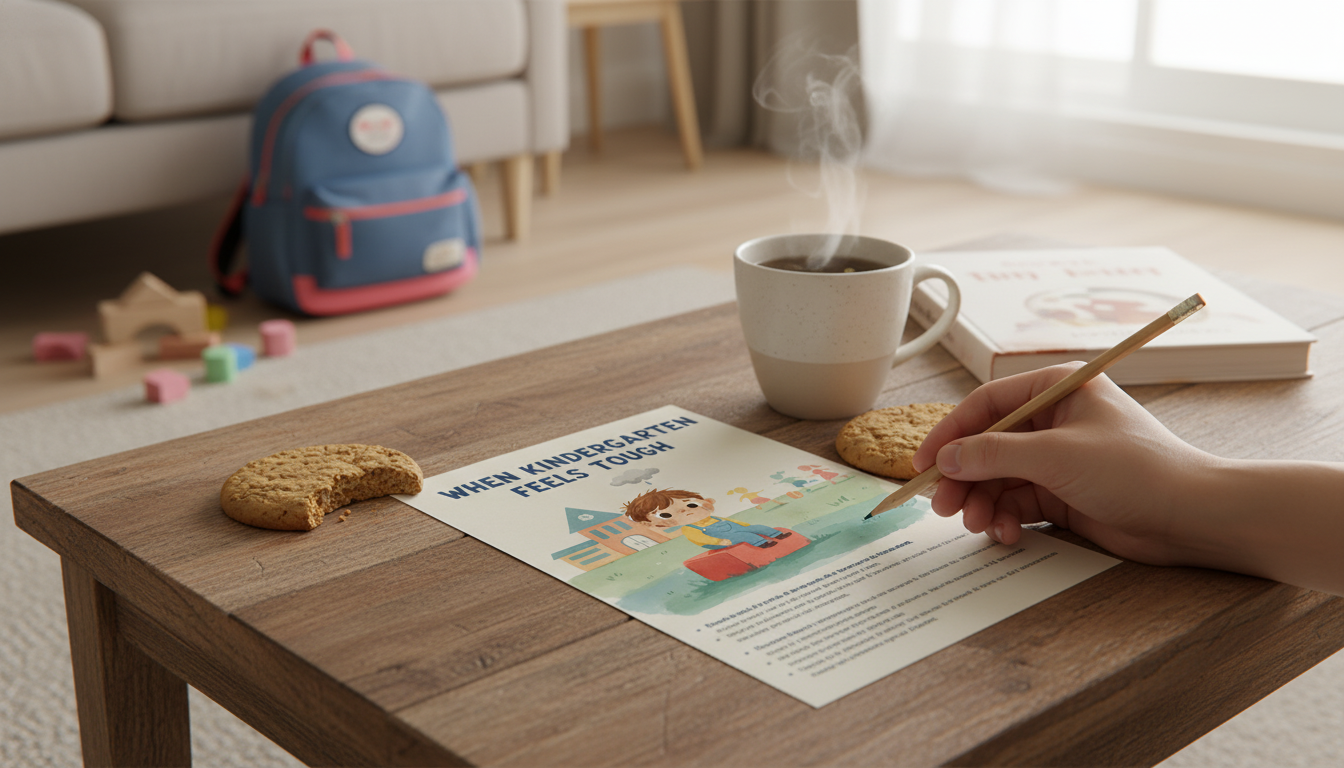
When Kindergarten Feels Tough: A Gentle Parent Checklist for Emotional and Academic Support
Some kids take to kindergarten quickly; others feel overwhelmed by new routines, social expectations, and academic demands. When school starts to feel like a daily struggle, the goal isn’t to “push through harder,” but to figure out what’s driving the stress and respond with steady, doable support. Below is a calm, parent-friendly checklist to help you notice patterns, strengthen regulation at home, and partner with the teacher—without turning every school day into a battle.
Start with what you’re noticing (and what you’re not)
Before changing anything, take a quick inventory of patterns. Many kindergarten struggles are tied to transitions (arrival, lining up, cleanup), certain classmates, or specific times of day (mornings vs. afternoons). It also helps to separate what you can observe from what you’re guessing.
- Look for patterns: mornings vs. afternoons, specific subjects, certain peers, and transitions (arrival, specials, cleanup).
- Separate “seen” from “assumed”: “cries at drop-off” is seen; “hates school” is an assumption.
- Watch body signals: stomachaches, headaches, sleep changes, appetite shifts, frequent bathroom requests can look like “behavior.”
- Ask one calm question: “What was the hardest part today?” and “What helped even a little?”
Common kindergarten struggles and what they can mean
| What you see | Possible underlying need | Gentle next step to try |
|---|---|---|
| Tears or clinginess at drop-off | Separation anxiety; transition stress | Create a 30-second goodbye routine; use a consistent phrase; practice at home with quick separations |
| Refuses to do classwork | Task feels too hard; perfectionism; fatigue | Ask teacher if tasks can be chunked; celebrate starting, not finishing; try short practice sessions at home |
| Meltdowns after school | Masking all day; sensory overload | Plan a decompression routine: snack + quiet time + movement before questions |
| Trouble with peers | Still learning play skills; impulse control | Role-play simple scripts (“Can I play?” “Stop, I don’t like that”); teach repair steps |
| Avoids reading, writing, or numbers | Skill gap; slow processing; attention challenges | Request a brief skills check; use playful practice (games, magnetic letters) for 5–10 minutes |
If you want a one-page way to organize what you’re seeing (and what to try next), the When Kindergarten Feels Tough printable parent checklist keeps the process simple—especially during hard weeks.
Stabilize the basics: sleep, food, predictability
When kids are stressed, the basics become non-negotiable. A small sleep debt or a skipped breakfast can turn manageable frustration into a full shutdown.
- Protect sleep: many kindergarteners need 10–13 hours per 24 hours (including naps, when relevant). During transitions, an earlier bedtime often helps.
- Front-load nutrition: aim for protein + fiber at breakfast, and pack a familiar “safe” snack to reduce hangry spirals.
- Use a visual routine: a simple picture/word morning checklist cuts down on decision fatigue.
- Preview and plan at night: lay out clothes, review the next day’s schedule, and name one coping tool to use at school (deep breaths, squeeze ball, water break).
If anxiety symptoms are showing up (especially physical complaints tied to school), reviewing reliable guidance can help you sort what’s typical from what needs extra support. The American Academy of Pediatrics overview of school avoidance is a helpful starting point.
Co-regulation before correction
Kindergarteners borrow calm from the adults around them. When emotions are big, reasoning and consequences rarely work first; regulation does.
- Lead with safety: “This is hard. You’re safe. We’ll figure it out.”
- Name the moment: “Your body gets tight at drop-off.”
- Use short tools you can repeat: 4-count breathing, wall push-ups, “smell the flower/blow the candle,” or “5 things you see.”
- After calm returns: practice one tiny skill (like a goodbye script) instead of rehashing the entire day.
Academic support that stays gentle (and effective)
In kindergarten, confidence is part of the curriculum. The goal at home is short practice that protects connection and builds “I can try” energy.
Partnering with the teacher: a simple communication plan
For families who feel overwhelmed by all the moving parts (school notes, routines, appointments), Using AI to organize kids’ schedule can help you map weekly rhythms and reduce last-minute surprises that often escalate stress.
Red flags that deserve extra support sooner
If these show up, consider talking with your pediatrician, a child therapist, or the school support team. The CDC’s children’s mental health resources and Understood’s overview of signs of anxiety in children can also help you recognize when it’s more than a “rough start.”
A printable checklist to keep decisions simple on hard weeks
To make that process easy to repeat, keep the When Kindergarten Feels Tough printable parent checklist handy for quick weekly check-ins.
FAQ
How long does it take for kids to adjust to kindergarten?
Many kids settle in within a few weeks, but big transitions can take longer. Track patterns for about 10 school days while supporting sleep, routines, and teacher communication, and seek help sooner if distress is intense or worsening.
What should a parent do if a child cries at kindergarten drop-off every day?
Use a brief, consistent goodbye routine, avoid lingering, and coordinate a predictable handoff plan with the teacher. Practice short separations at home and reinforce bravery after pickup; get extra support sooner if crying escalates or includes panic or physical symptoms.
When should parents ask the school for an evaluation?
Ask when struggles persist despite supports, significantly interfere with learning or safety, or include major anxiety or behavior concerns. The school can explain MTSS/RTI steps, screenings, and evaluation pathways, and it can help to discuss concerns with your pediatrician too.












Leave a comment