Heavyweight Patchwork Jacket Sweater for Boys
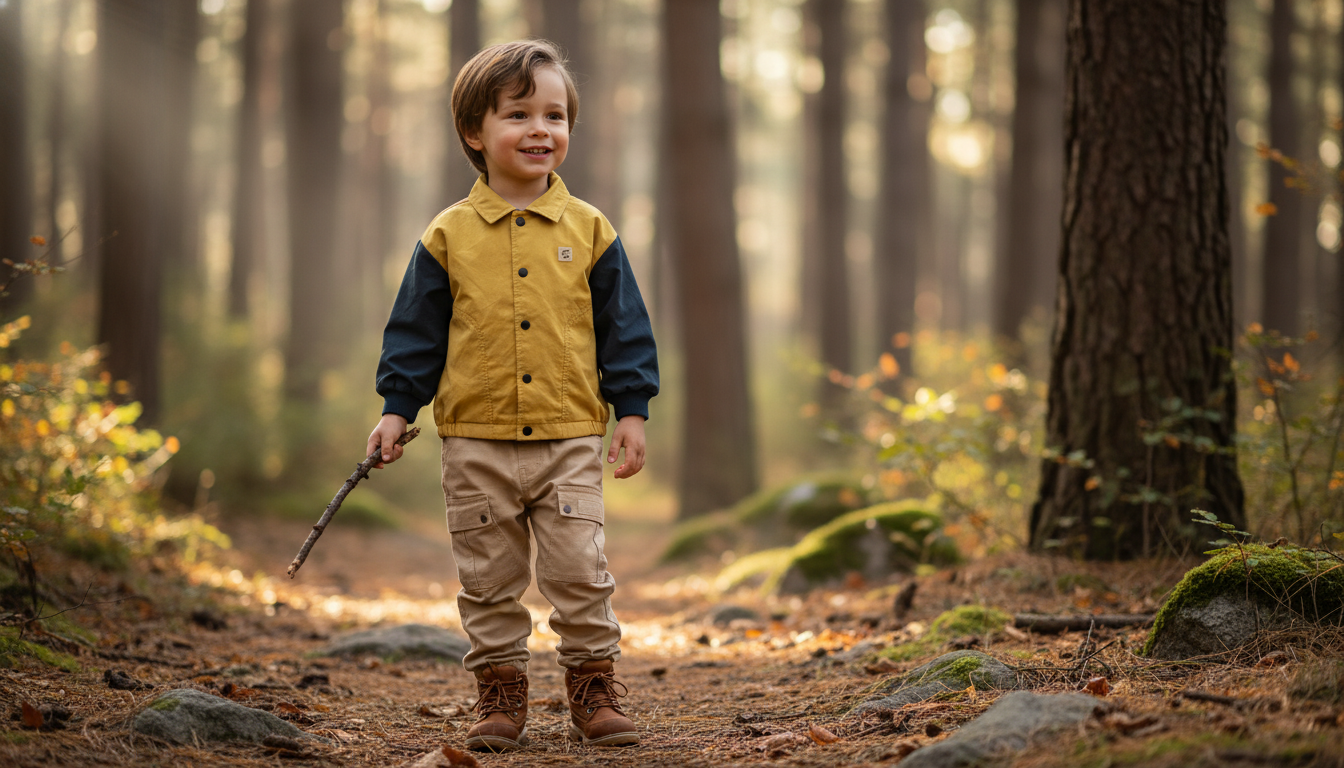
Heavyweight Patchwork Jacket Sweater for Boys: Warmth, Style, and Easy Layering
A warm outer layer has to do more than look good—it needs to handle school mornings, windy playgrounds, and quick outfit changes. The Heavyweight Patchwork Jacket – Sweater for Boys combines cozy insulation with a standout patchwork look, making it an easy grab for cool-weather days and layered winter outfits.
Whether you’re dressing for that chilly walk from the car to the classroom or packing a reliable layer for weekend plans, this jacket-sweater hybrid is built for comfort, movement, and everyday wear.
What Makes a Heavyweight Jacket Sweater Different
- Hybrid comfort: It wears like a sweater but functions like a light jacket for brisk days—comfortable indoors, dependable outdoors.
- Warmth without bulk: A heavyweight build helps hold in warmth while still keeping movement easy for running, climbing, and sitting through a school day.
- Patchwork style: Color-block/panel detailing adds personality while still pairing smoothly with basics like jeans, joggers, and solid tees.
For families in areas with big temperature swings, this type of layer is especially practical: warm enough to matter outside, but not so puffy that it becomes annoying indoors.
Highlights to Look For Before Buying
- Fabric feel: Prioritize soft, non-itch materials that won’t distract during all-day wear—especially around the neck and wrists.
- Warmth level: A “heavyweight” build is ideal for fall-to-winter transitions, cold classrooms, and windy afternoons at the park.
- Closures and cuffs: Look for secure closures and snug cuffs/hem to help block drafts when kids are in constant motion.
- Comfort details: Smooth interior seams and a fit that allows layering over tees or long sleeves makes it more wearable across seasons.
Layering is one of the simplest ways to keep kids comfortable in changing conditions. For a quick refresher on building layers that work together (base layer, insulating layer, shell), REI’s guide is a helpful reference: REI Co-op — Layering Basics.
Fit and Sizing for Layering
- Everyday fit: Aim for comfortable room in the shoulders and chest so arms move freely—no tugging when reaching for monkey bars or raising a hand in class.
- Layering room: Allow space for a long-sleeve base layer; in colder climates, leave room for a thin fleece underneath.
- Sleeve length check: Sleeves should cover the wrists without swallowing the hands when arms are down.
- Growth planning: If between sizes, choosing the next size up can extend wear—especially for outer layers that are meant to go over other clothing.
Quick Fit Checklist for Cooler Weather
| Check | What to look for | Why it matters |
|---|---|---|
| Shoulders | Seams align near the shoulder edge | Prevents pulling when reaching and playing |
| Chest | Zips/buttons comfortably over a long-sleeve | Supports layering without feeling tight |
| Sleeves | Covers wrist bone; minimal bunching | Keeps warmth in while staying functional |
| Hem | Sits at hip; not riding up when seated | Reduces drafts and improves comfort |
| Neckline | Comfortable around the neck | Avoids irritation; helps with wind protection |
When to Wear It: From Cool Mornings to Winter Layering
- Fall and early winter: Great for chilly school drop-offs, weekend errands, and outdoor play when the air starts to bite.
- Indoor-to-outdoor transitions: Works well for temperature swings—warm classrooms followed by cold recess or practice.
- Layering ideas: Pair with a breathable base layer, then add a weatherproof shell on rainy or snowy days.
- Style pairings: Matches well with jeans, joggers, corduroys, and solid-color tees to let the patchwork stand out.
For wintertime outdoor play, it also helps to follow common-sense cold-weather safety basics—like keeping kids dry, watching for signs of cold stress, and adjusting layers as activity changes. See: American Academy of Pediatrics — Winter Safety Tips.
Care Tips to Keep the Patchwork Looking Fresh
- Wash gently: Use cold water and a mild detergent to help preserve color and texture across patchwork panels.
- Turn inside out: Protects the outside surface and reduces friction that can dull the look over time.
- Skip harsh heat: Air-dry when possible or use low heat to reduce shrinking and keep the fabric soft.
- Spot clean fast: Treat small stains early so you can avoid repeated heavy washes.
A practical routine is to spot clean after messy days, then save full washes for when it truly needs it—especially during busy school weeks.
A Cozy Gift Option for Cold-Weather Kids
Product Snapshot
At-a-Glance Details
| Detail | Value |
|---|---|
| Product | Heavyweight Patchwork Jacket – Sweater for Boys |
| Price | 76.67 USD |
| Availability | In stock |
| Store page | View product |
More In-Stock Finds
- 6PCS Silicone Baby Feeding Set with Lion Plate, Bib, Cup, Spoon & Fork for easy everyday meals and simpler cleanup.
- Creative Hollow Star Desk Organizer – Pen & Brush Holder for Office or Study to keep homework supplies in one spot.
- Using AI to Organize Kids’ Schedule | Digital Guide for Parents on How to Use AI to Organize Family Schedule to streamline busy school weeks.
FAQ
Is a jacket sweater warm enough for winter?
It depends on your climate and how long kids are outside. A jacket sweater is ideal for cool-to-cold days, and it works best with layering (base layer + jacket sweater); add a windproof or waterproof shell for wind, rain, or snow.
How should a boys’ jacket sweater fit for layering?
Look for comfortable shoulders, enough room to zip or button over a long-sleeve, sleeves that land at the wrist, and easy movement through the chest and arms. If your child is between sizes, sizing up often works well for outer layers.
How do you wash a patchwork jacket sweater without fading?
Use a cold wash with mild detergent, turn it inside out, and choose a gentle cycle. Air-dry when possible (or use low heat) and spot-clean small stains to reduce frequent full washes.









Leave a comment