Food-Grade Silicone Baby Bottle Brush Set Guide
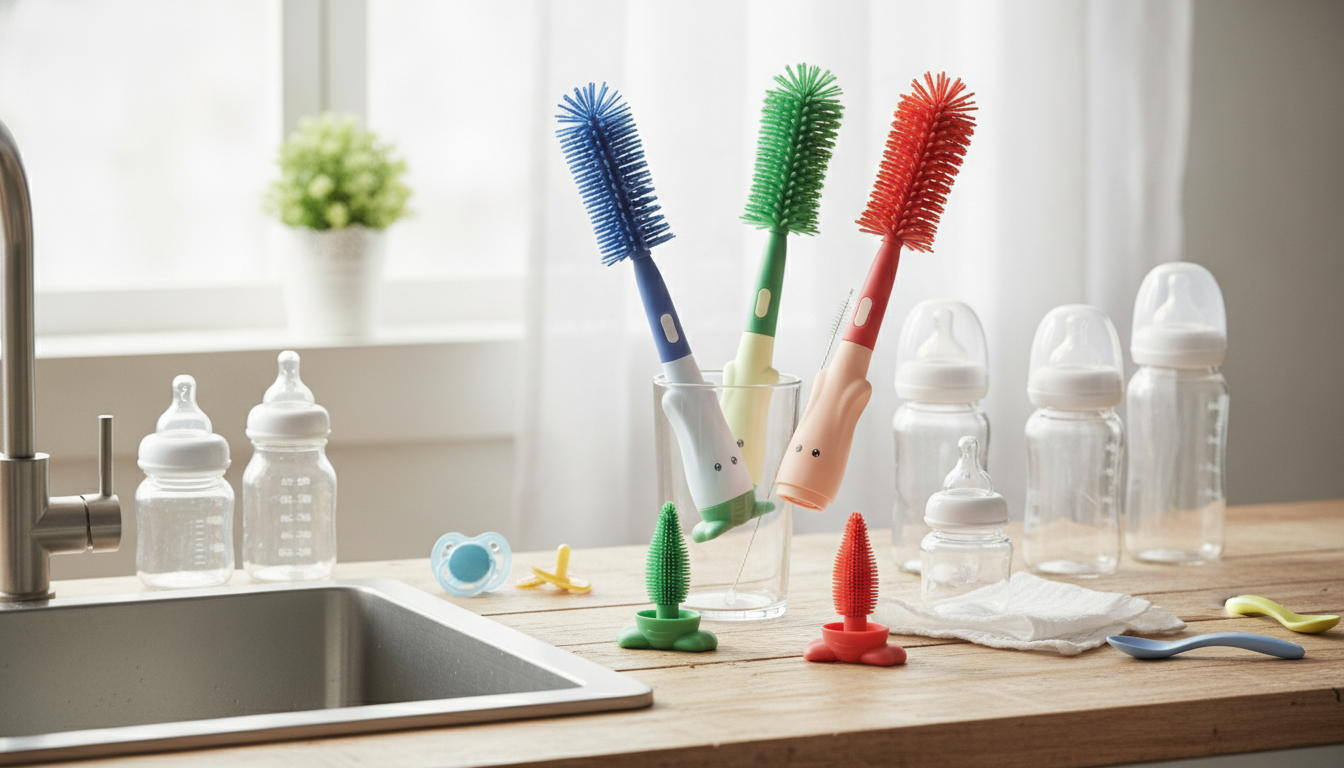
Baby Bottle Brush Set: Food Grade Silicone Cleaning Tool for Bottles & Pacifiers
Keeping bottles, nipples, and pacifiers truly clean matters for everyday feeding comfort and peace of mind. A silicone brush set helps reach tight corners without scratching, while drying fast and resisting odors compared with many sponge-style tools. This guide covers what to look for, how to use a silicone brush set effectively, and simple care habits that keep feeding gear fresher between washes.
Why Silicone Brushes Work Well for Baby Feeding Gear
Silicone brushes are popular for daily bottle and pacifier routines because they balance gentleness with effective scrubbing. When paired with warm water and mild dish soap, silicone bristles can lift residue without the harshness of stiff bristles or the “gunk-holding” feel some sponges develop over time.
- Gentle on bottle interiors and safe for common materials like plastic, glass, and stainless steel when used with mild soap
- Flexible bristles help scrub curved bottoms, threads, and around anti-colic vents without leaving lint behind
- Silicone tends to dry faster than sponges, which can help reduce lingering odors
- Durable for frequent washing and typically easier to rinse clean after formula or milk residue
For general guidance on cleaning, sanitizing, and storing infant feeding items, the CDC’s cleaning and sanitizing recommendations are a helpful reference point, especially when routines change with age and health needs.
What’s Included in a Bottle & Pacifier Cleaning Set
A practical set keeps the essentials together so it’s easier to stay consistent at the sink—at home or while traveling. The most useful kits combine a full-size brush for bottle interiors and a detail brush for small parts where milk film can hide.
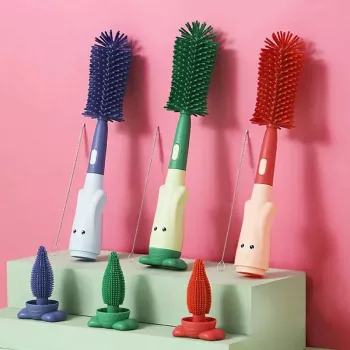
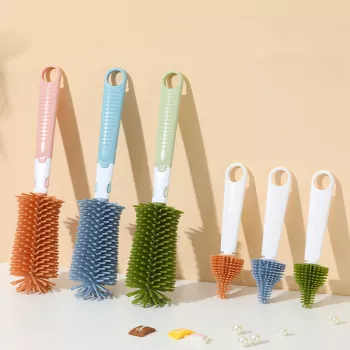
- Main bottle brush for interior walls and bottom corners
- Small brush for nipples, pacifiers, valves, and narrow parts
- Handle design that offers control for gentle scrubbing (especially around measurement marks and seams)
- A compact kit approach that keeps key tools together for sink-side routines and travel
Common Brush Heads and What They’re Best For
| Tool | Best for | Tips for use |
|---|---|---|
| Full-size bottle brush | Bottle interior walls and bottom | Use long strokes; rotate at the base to lift residue from corners |
| Small detail brush | Nipples, pacifiers, valves, and caps | Focus on creases and vent paths; rinse thoroughly after scrubbing |
| Handle grip/loop | Control and drying storage | Hang to air-dry fully between uses |
How to Clean Bottles, Nipples, and Pacifiers Step by Step
Consistency matters more than complicated steps. A quick rinse right after feeding and a thorough scrub at washing time helps prevent stubborn buildup and “old milk” odor.
- Rinse promptly after feeding. This helps keep milk proteins and formula from drying on surfaces and clinging to seams.
- Wash with warm water and mild dish soap. Use the large brush for bottle walls and bottom corners, then switch to the small brush for nipples, pacifier creases, and tiny openings.
- Disassemble and target hiding spots. Pay special attention to threads, collars, and anti-colic components where residue can collect.
- Rinse until no suds remain. Any lingering soap film can hold onto odors, so rinse thoroughly and check tight areas.
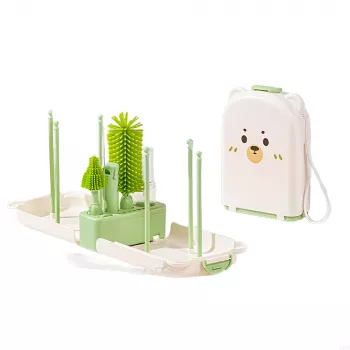
- Air-dry on a clean rack. Allow pieces to dry completely before reassembling or storing to reduce trapped moisture.
- If using a dishwasher, secure small parts. For items labeled dishwasher-safe, use a closed basket so nipples, valves, and caps don’t flip into corners and miss a proper wash.
For broader feeding and handling guidance, AAP HealthyChildren.org offers parent-friendly information on bottle feeding basics and everyday care.
Daily Habits That Help Reduce Odor and Residue
Odors and cloudy buildup often come from small routine slipups: reusing the same sudsy water too long, leaving tools damp in a cup, or missing narrow vent paths. A few habits can make bottle washing feel less like a battle.
- Separate tasks. Use the smaller brush only for nipples/pacifiers to avoid transferring bottle residue into tiny creases.
- Don’t let brushes sit in pooled water. Stand them upright to drain or hang them so bristles dry quickly.
- Refresh soap and water during batch washing. Replacing cloudy wash water helps prevent film from re-depositing on clean parts.
- Soak briefly for stubborn buildup. A short soak in warm soapy water loosens residue before scrubbing; avoid harsh chemicals and abrasives that can damage surfaces.
If you’re curious about how “food contact” materials are evaluated in the U.S., the FDA overview of Food Contact Substances provides helpful safety context.
Care and Replacement: Keeping the Brush Set Hygienic
Even a great brush needs basic upkeep. The goal is simple: remove residue, dry fully, and replace tools that can’t be cleaned back to “fresh.”
Safe Use Notes for Newborn and Infant Feeding Items
Shop In-Stock Favorites
- Baby Bottle Brush Set – Food Grade Silicone Cleaning Tool for Bottles & Pacifiers
- Girls Knit Sweater Dress with Heart Print & Ruffle Collar
FAQ
Can silicone bottle brushes scratch plastic or glass bottles?
Silicone bristles are typically non-abrasive and are less likely to scratch than stiff bristles. To be safe, rinse away any gritty residue first and use gentle pressure, since worn bottles or trapped particles can contribute to scuffs.
How often should bottle and pacifier brushes be replaced?
Replace brushes when bristles tear, deform, or start holding onto odor or residue that doesn’t rinse away. Households washing many bottles daily may need to replace sooner, so a quick weekly inspection helps.
Do pacifiers and bottle nipples need a separate brush?
A small dedicated brush makes it easier to reach vents, creases, and narrow openings where film can hide. Keeping one brush for small parts also reduces the chance of transferring bottle residue into tiny grooves.








Leave a comment