16-Inch Kids Freestyle BMX Bike: Hi-Ten Steel Starter
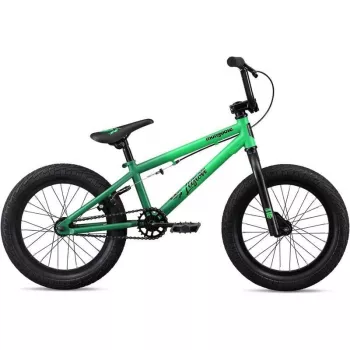
Kids Freestyle Sidewalk BMX Bike with Hi-Ten Steel Frame and 16″ Wheels
A beginner-friendly BMX bike should feel sturdy, predictable, and easy to control at neighborhood speeds. This kids freestyle sidewalk BMX setup pairs a durable Hi-Ten steel frame with 16-inch wheels to help new riders build confidence while practicing starts, stops, turns, and basic curb-side skills. It’s the kind of bike that’s meant to be used—leaned against a fence, rolled up and down the driveway, and ridden often—without feeling fragile.
What Makes This Bike a Good First BMX
Learning BMX-style riding is less about speed and more about repetition: rolling smoothly, braking early, and keeping balance when the bike isn’t perfectly upright. A first BMX should support those learning moments instead of punishing them.
- Hi-Ten steel frame focuses on toughness for everyday bumps, tip-overs, and learning moments that are part of riding early on.
- 16″ wheels suit many beginner riders transitioning from smaller kids’ bikes, offering a stable footprint without feeling oversized or unwieldy.
- Freestyle-inspired geometry encourages upright control for sidewalks, driveways, and smooth park paths where new riders do most of their practice.
- Fundamentals-first design supports key skills like controlled braking, balance, standing on pedals, and steady turns without the bike feeling twitchy.
Fit and Sizing: Getting the Right Feel
Wheel size is only one part of fit; rider height, inseam, and comfort reaching the bars and brake levers matter most. The goal is a position that feels confident: the rider can stop safely, put a foot down quickly, and steer without wrestling the bike.
- Wheel size helps narrow the range, but comfort and control should decide the final choice.
- A confident starter position usually means: feet can touch down easily, knees aren’t overly cramped at the top of the pedal stroke, and the rider can steer without overreaching.
- If the rider is between sizes, prioritize control over “growing into it” for the first BMX-style bike.
- After the first few rides, re-check seat height and handlebar alignment to reduce wobble, fatigue, and sore wrists.
Quick fit check for a 16″ kids BMX-style bike
| Fit check | What to look for | Quick adjustment |
|---|---|---|
| Standover comfort | Rider can straddle the bike without discomfort | Lower the seat and confirm the bike is not too tall |
| Reach to handlebars | Elbows slightly bent; steering feels easy | Rotate bars to a natural angle; adjust stem if applicable |
| Pedal stroke comfort | Knees not hitting bars; pedaling feels smooth | Fine-tune seat height in small increments |
| Braking control | Hands can squeeze levers without shifting grip | Adjust lever reach/angle so wrists stay neutral |
Durability and Ride Feel of Hi-Ten Steel
Hi-Ten (high-tensile) steel is a popular choice for kids’ bikes because it’s resilient for daily riding and the kind of casual freestyle practice that happens on sidewalks and driveways. It’s designed to handle the reality of learning: the bike may get laid down, clipped against a curb, or bumped in the garage.
- Hi-Ten steel is commonly used for kids’ bikes because it’s strong and forgiving during everyday use.
- The extra sturdiness can add weight compared with higher-end materials, so correct fit and proper tire pressure matter for easier handling.
- For neighborhood riding, durability often matters more than ultra-light performance—especially for new riders who may drop the bike or scrape it while practicing.
Safety and Setup Before the First Ride
A careful setup makes the first few rides smoother and helps prevent avoidable spills. Before heading to the sidewalk, do a quick, consistent safety routine.
- Confirm assembly and bolt tightness: handlebars, stem, seat clamp, wheel axle nuts, and pedals should be secure.
- Brake function check: test for strong stopping power at walking speed before any downhill or faster riding.
- Tire pressure: inflate to the recommended range printed on the tire sidewall for better control and fewer pinch flats.
- Helmet and visibility: a properly fitted bicycle helmet and bright clothing help reduce risk in driveways and near streets.
- Choose a practice spot: flat pavement with open space (empty parking lot, smooth path, or driveway) builds skills faster than uneven surfaces.
For additional bike safety guidance, reference the U.S. Consumer Product Safety Commission (CPSC) bicycle safety resources and the NHTSA bicycle safety page.
Beginner Skills to Practice on Sidewalks and Driveways
Progress comes fastest when practice stays simple and repeatable. Keep early sessions short, end on a success, and build consistency before trying anything that involves curbs.
Product Details and Where to Buy
- Kids’ 12V Ride On Land Rover with Remote Control and LED Lights
- High-Speed 1/8 Scale Monster Tank RC Car
FAQ
Is a 16-inch BMX bike a good size for beginners?
A 16″ BMX-style bike can be a great starter size for many younger riders, especially those moving up from smaller kids’ bikes. The best choice depends on rider height, inseam, and whether they can comfortably reach the handlebars and brake levers. When in doubt, prioritize control and confident stopping over buying a bike that’s too big.
What is Hi-Ten steel, and is it durable for kids’ bikes?
Hi-Ten (high-tensile) steel is a strong type of steel commonly used in kids’ bikes to handle everyday riding and learning falls. It’s typically heavier than premium frame materials, but its durability is well-suited to beginner use where bumps and tip-overs happen.
What should be checked after assembling a kids BMX bike?
Check that bolts are tight (bars, stem, seat clamp, axles, pedals), wheels are secure, brakes engage firmly, and the handlebar and seat are aligned straight. Inflate tires to the pressure listed on the sidewall and do a short, low-speed test ride in a safe area before regular riding.








Leave a comment