1/8 RTR Electric Crawler: Trail Checklist & Setup Tips
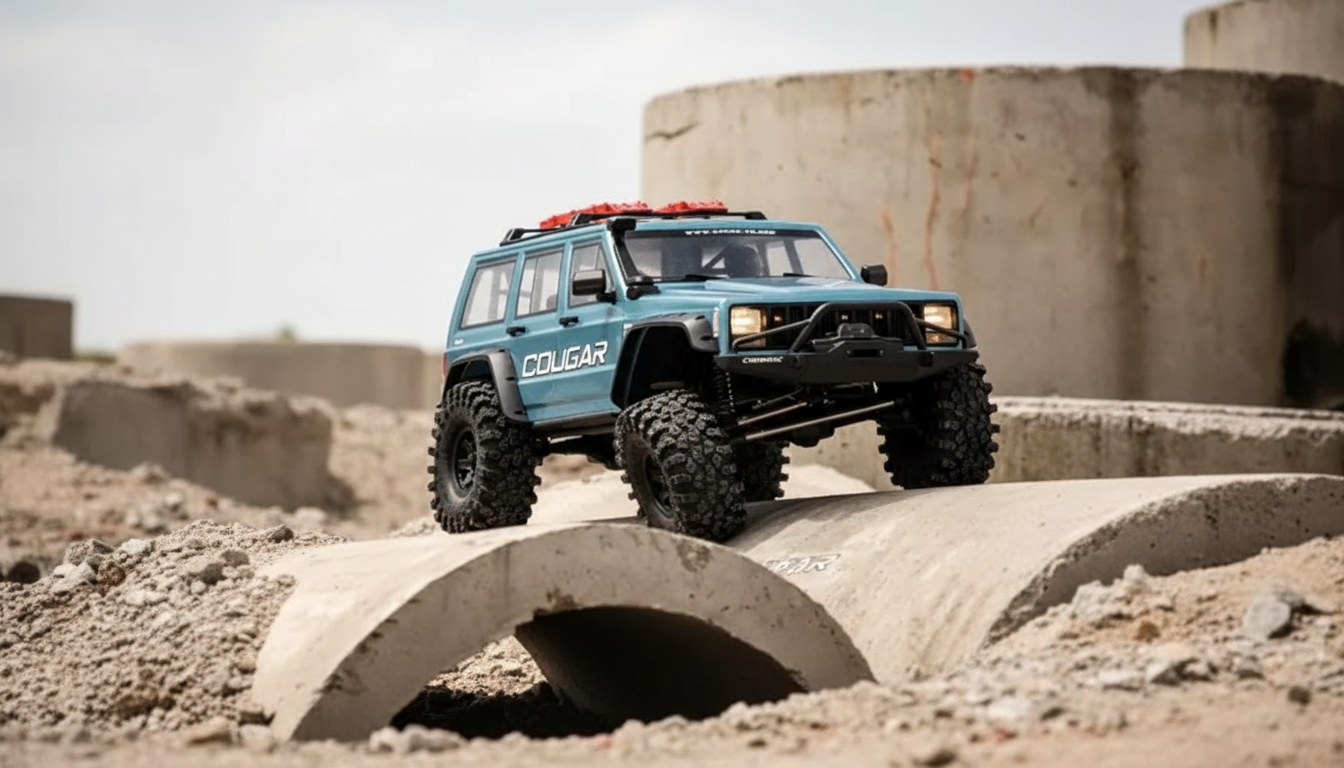
1/8 Scale Electric Off-Road Crawler RTR: Big-Scale Trail Performance Without the Setup Hassle
A ready-to-run (RTR) 1/8 scale electric crawler is built for slow, controlled climbs, rocky lines, and backyard trail driving—with the planted feel and visual presence that comes from a larger chassis. If you want big-scale capability without spending a weekend assembling a kit, an RTR crawler gets you to the good part faster: driving. Below is a practical guide to what to expect from a big-scale RTR crawler, which features matter most once the tires hit dirt and rocks, and how to keep the rig reliable run after run.
What “RTR” Means for a Big-Scale Electric Crawler
For a 1/8 scale crawler, “RTR” generally means the vehicle arrives assembled with core electronics installed, so you can be driving soon after charging and completing a few basic checks. Most packages include the motor, ESC (electronic speed controller), steering servo, and radio system (transmitter/receiver). Batteries and a charger sometimes come in the box, but often they’re optional or vary by bundle—so it’s worth confirming what’s included before checkout.
Before the very first run, treat your crawler like a real vehicle pre-check: inspect fasteners, confirm the drivetrain spins freely, and set steering endpoints so the servo isn’t straining at full lock. Those few minutes can prevent overheating, stripped gears, and premature wear.
Why 1/8 Scale Feels Different on Trails
Trail driving in 1/8 scale is its own experience. The larger footprint adds stability on off-camber rocks and loose climbs, and the longer wheelbase helps bridge gaps, roots, and ruts that can stop smaller crawlers cold. Bigger tires also change how the rig interacts with terrain—often rolling over obstacles rather than getting hung up on them.
That size comes with tradeoffs. Heavier rigs can gain traction, but they also load driveline parts more under torque. Smooth throttle control becomes a reliability feature, not just a driving preference. And in tight spaces, the turning radius can be wider, so line choice and planning matter more—especially when you’re threading between rocks or navigating narrow garden paths.
Key Features That Decide Real-World Crawling Ability
Spec sheets can look similar across crawlers, but trail performance is usually decided by a handful of practical details:
Quick Comparison Checklist for This RTR Crawler
| Item | Why it matters | What to look for / do |
|---|---|---|
| Included electronics | Determines what is needed to drive | Motor, ESC, steering servo, and transmitter/receiver installed |
| Battery compatibility | Affects run time, weight balance, and performance | Supported battery type and connector; secure mounting and strap clearance |
| Charger requirements | Safety and battery longevity | Use a balance charger for LiPo; charge rate matched to battery capacity |
| Steering endpoints | Prevents servo overheating and stripped gears | Set left/right travel so wheels reach full lock without buzzing |
| Gear mesh / drivetrain free-roll | Reduces wear and heat | Rotate wheels by hand; listen for binding; recheck after first pack |
| Tire setup | Traction and side-hill stability | Check bead seating; consider inserts/foams suited to terrain |
| Fasteners and threadlock | Vibration loosens hardware | Recheck wheel nuts; apply threadlock to metal-to-metal screws if applicable |
| Weather and water exposure | Protects electronics and bearings | Confirm water resistance claims; dry and clean after wet runs |
Power, Run Time, and Battery Safety
Charging and storage habits also matter. If your setup uses lithium batteries, follow established guidance on safe handling and charging. Resources like Battery University can help clarify best practices, while the Academy of Model Aeronautics Safety Code is a helpful baseline for responsible operation. For broader product-safety awareness and recall information, the Consumer Product Safety Commission is a reliable reference.
Maintenance That Keeps a Large Crawler Reliable
Who This Style of Crawler Suits Best
In-Stock Picks to Compare
- 1/8 Scale Electric Off-Road Crawler RTR — big-scale trail driving with RTR convenience.
- High-Speed 1/8 Scale Monster Tank RC Car — a faster, more blast-around option when you want speed over slow crawling precision.
- Kids’ 12V Ride On Land Rover with Remote Control and LED Lights — a fun choice for family drive-time, with a ride-on format instead of hobby RC crawling.
FAQ
What comes with an RTR crawler, and what still needs to be purchased?
RTR usually means the vehicle is assembled and the main electronics (motor, ESC, steering servo, and radio system) are installed. Batteries, a charger, and AA cells for the transmitter may or may not be included, so confirm the package contents and the recommended battery/charger specs before you buy.
Is a 1/8 scale crawler too big for backyard use?
It depends on your space and layout. A 1/8 scale rig needs more turning room than smaller crawlers, but it handles grass, roots, and uneven ground well—start with low-speed trail lines and set clear boundaries away from pets, people, and fragile landscaping.
How can steering servo damage be prevented on rocky terrain?
Set steering endpoints so the servo reaches full lock without buzzing, and avoid holding full lock against an obstacle. Keep linkages tight and check for binding; if you crawl often on high-traction rock, a servo saver or stronger servo can reduce stress over time.








Leave a comment