Can Baby Teeth Come In Too Early? What Parents Should Know
15% off on product page · save $2.12
Can Baby Teeth Come In Too Early? What Parents Should Know
Can a baby’s teeth come in too early?
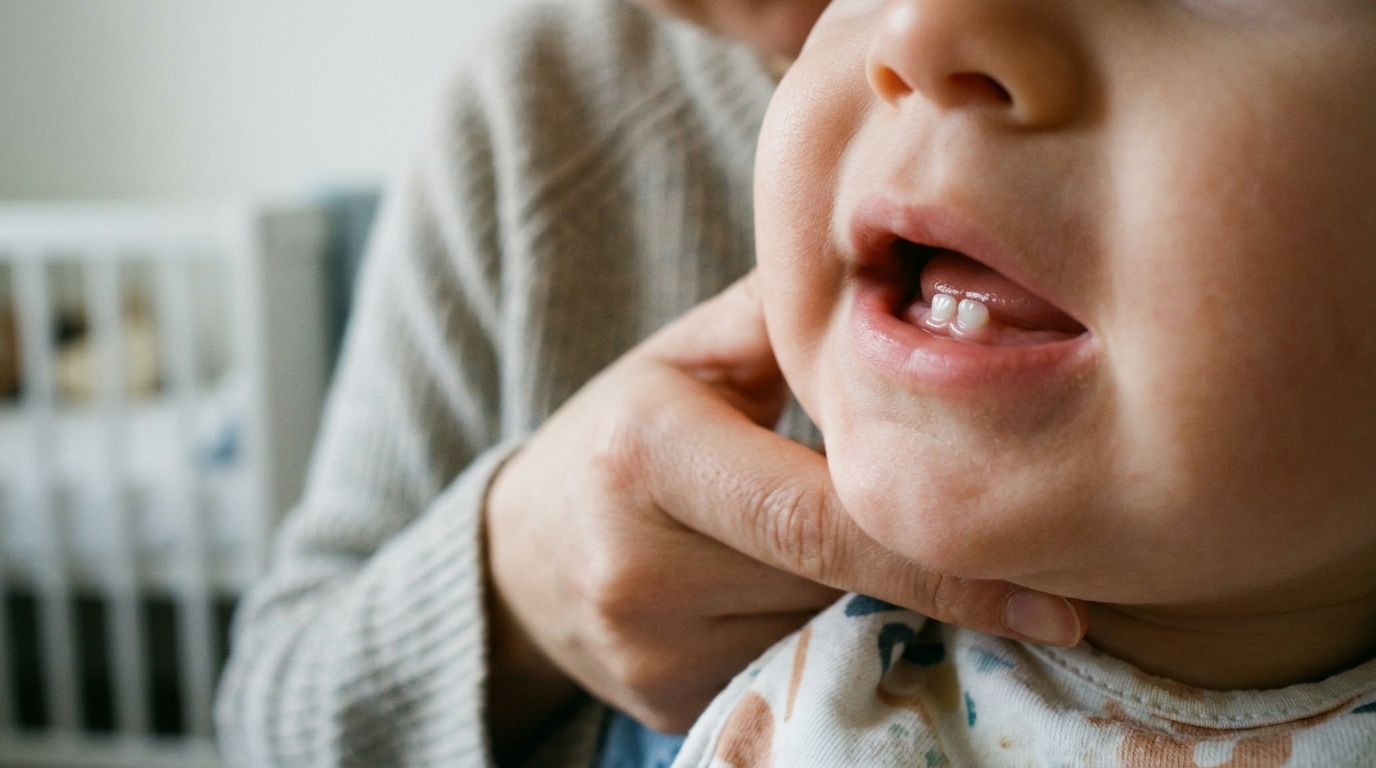
Yes, a tooth can appear earlier than expected, but that does not automatically mean something is wrong: while many babies get their first tooth around 6 months, the timing varies considerably from child to child. Some babies are born with a tooth, called a natal tooth, and others develop one during the first month, called a neonatal tooth.
If you notice a tooth at birth or very early in infancy, let your baby’s pediatrician know and arrange a pediatric dental evaluation so the tooth can be examined. An early tooth may be part of your baby’s usual set of primary teeth, so do not try to remove it yourself or assume it needs to come out.
When should you seek care?
Contact your baby’s clinician promptly if an early tooth seems loose, makes feeding difficult, or rubs against the tongue enough to cause a sore. A very loose tooth needs particular attention because it could come out and pose a choking risk; seek urgent medical help if your baby is choking or having trouble breathing.
If breastfeeding is painful because the tooth is rubbing or your baby is biting, ask your pediatrician, dentist, or a lactation professional for help with feeding and positioning. Your baby’s care team can assess whether the tooth needs treatment and help you protect feeding comfort without attempting to change the tooth at home.

Featured in this guide
Baby’s First Tooth Tips Ebook | Helpful Guide for Parents | Tips for Managing Baby’s First Tooth
How do you care for an early tooth?
As soon as a tooth appears, gently brush it twice a day with a soft, small-headed toothbrush and a smear of fluoride toothpaste no larger than a grain of rice. Keep cleaning gentle around tender gums, and ask your pediatric dentist for guidance if brushing causes persistent discomfort or you notice a sore.
Plan your baby’s first dental visit by the first birthday or within six months of the first tooth appearing, whichever comes first. For more on timing and everyday care, read our guide to your baby’s first tooth; we also offer our Baby’s First Tooth Tips Ebook as a parenting guide.
Does early teething predict development?
Early teeth are usually a variation in timing, not a sign that your baby is ahead or behind in other areas of development. Family patterns can differ, so comparing your baby’s first tooth with a sibling’s or friend’s may not tell you much about what to expect next.
If you have concerns about feeding, growth, communication, or other developmental milestones, bring those specific observations to your pediatrician rather than relying on tooth timing as a clue. Our team encourages you to keep track of your questions between visits so you can discuss them alongside your baby’s dental care.
Check the product’s listed specifications when evaluating does early teething predict development.
FAQ
Is it bad if baby teeth come in early?
Not necessarily; early tooth eruption can be a normal variation. Have a tooth that appears at birth or during the first month evaluated, especially if it is loose or interferes with feeding.
Do autistic babies have teeth early?
Early tooth eruption alone does not indicate that a baby is autistic. If you have concerns about your baby’s development, discuss the specific signs you have noticed with your pediatrician.
See if Baby’s First Tooth Tips Ebook | Helpful Guide for Parents | Tips for Managing Baby’s First Tooth fits your setup









Leave a comment