Toddler Long Sleeve Dress Fit: Room to Move & Layer
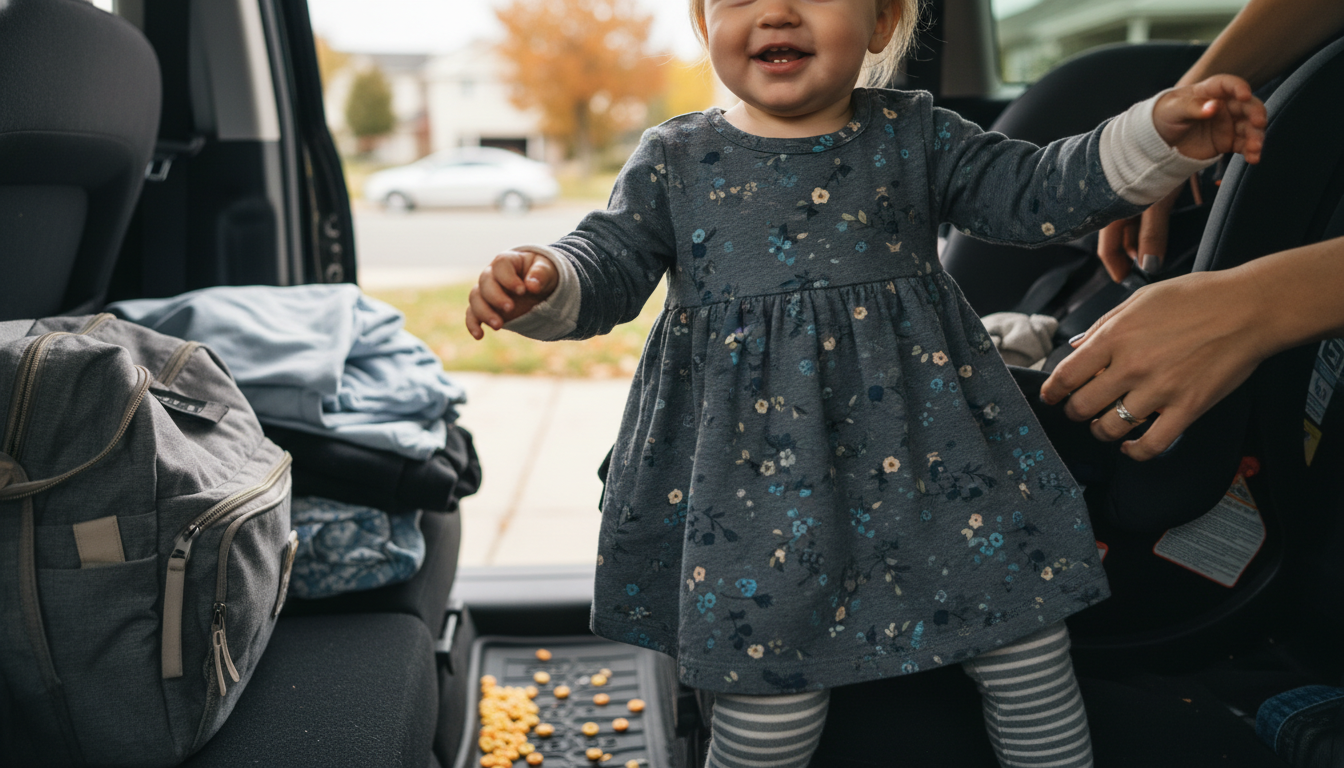
How should a long sleeve dress fit on a toddler to allow comfortable movement and layering?
A long sleeve dress for a toddler should feel easy and unrestrictive while still staying put during play. The best fit leaves a little “wiggle room” at the shoulders, chest, and hips so your child can lift arms, squat, climb, and sit without the fabric pulling tight. At the same time, it shouldn’t be so oversized that sleeves slide over hands or the neckline shifts around.
Start with the shoulders and armholes
The shoulder seam (or the point where the sleeve attaches) should sit close to the edge of the shoulder, not halfway down the arm. If it droops too far, the dress can twist and bunch when your toddler moves. The armholes should allow full arm circles without pinching under the armpits—this is especially important for long sleeves, since tight armholes can make sleeves feel restrictive even when the body looks roomy.
Leave comfortable room in the chest and waist
You should be able to pinch a small amount of fabric at the chest without it straining. This extra ease helps with breathing, running, and layering a thin tee or bodysuit underneath. For dresses with a waist seam or gathered skirt, the seam should sit at the natural waist (or slightly higher for an empire style) without digging in when your toddler sits.
Check sleeve length for play-friendly coverage
Sleeves should reach the wrist with arms down, but not cover the palm. If you plan to layer a long-sleeve base layer, look for sleeves that aren’t skin-tight so fabric doesn’t bind at the forearm. Cuffs with gentle stretch help sleeves stay in place without squeezing.
Pick a hem length that won’t trip little feet
For everyday wear, a hem around the knee is a practical sweet spot: it’s long enough for warmth but short enough for active movement. If the dress is longer, make sure it doesn’t catch under knees when climbing stairs or getting into a car seat.
For more detailed fit checkpoints and layering tips, visit the main guide here.
FAQ
Should a toddler wear a bodysuit under a dress for warmth?
Yes—on cooler days, a bodysuit can add warmth and keep the midsection covered when your toddler moves. Choose a smooth, not-too-bulky layer so the dress still drapes comfortably.









Leave a comment