Sibling Fighting Peaks: Ages 3–7 and 10–14 Explained
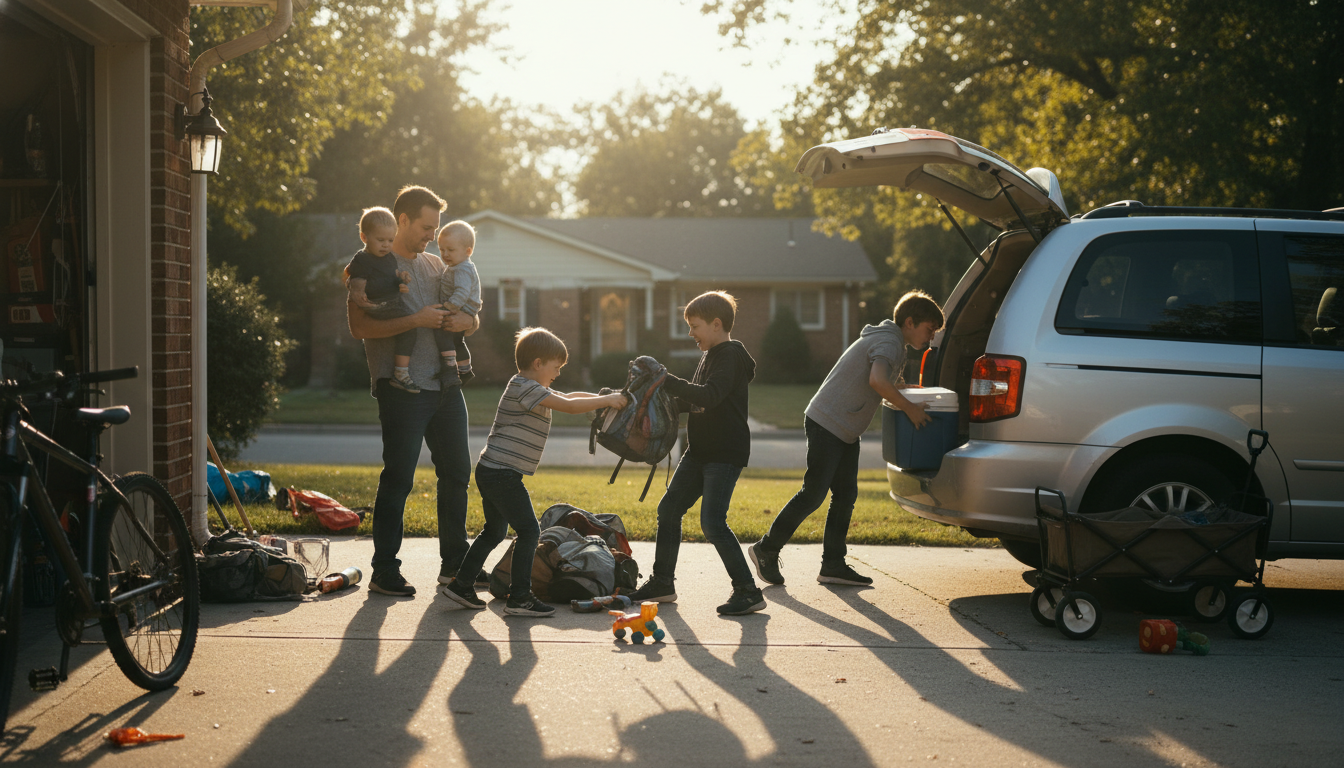
At what age do siblings fight the most?
Many families notice the most frequent sibling fighting in the early childhood years—often around ages 3 to 7—when kids are close enough in age to compete but still learning self-control, sharing, and problem-solving. Disagreements can flare again during the tween and early teen years (roughly 10 to 14) as independence, privacy, and social status start to matter more.
Why ages 3–7 can be especially intense
Preschool and early elementary kids are practicing big skills in real time: taking turns, using words instead of grabbing, and managing disappointment. That learning curve can look like arguing over toys, “fairness,” personal space, or who gets a parent’s attention. If one child has stronger language skills or is more physically confident, power struggles can happen more often.
Why conflict can spike again in the tween/teen years
Older kids may fight less over toys and more over boundaries—borrowing items without asking, teasing, chores, screen time, or being treated “like a baby.” Siblings can also trigger each other’s insecurities, and small comments can escalate quickly when emotions run high.
What really affects how much siblings fight
Age matters, but it’s not the whole story. Sibling conflict tends to be higher when kids are close in age, when routines are inconsistent, when everyone is tired or hungry, or during major transitions like a new baby, moving, starting school, or changes in childcare. Temperament plays a role too: two strong-willed kids may clash more than a more easygoing pair.
When fighting is normal vs. when it’s a concern
Occasional arguing is a normal way kids test limits and learn negotiation. It’s more concerning when fights include frequent hitting, intimidation, repeated targeting of one child, or a pattern where one sibling consistently feels unsafe. If that’s happening, it can help to set clear house rules and talk with a pediatrician or child therapist for guidance.
For a deeper breakdown by age and practical ways to reduce conflict at home, visit https://babyjoyboutique.com/at-what-age-do-siblings-fight-the-most/.
FAQ
How can parents reduce sibling rivalry at home?
Use simple, consistent rules (no hitting, no name-calling), praise cooperation out loud, and avoid comparing kids. Schedule short one-on-one time with each child and teach scripts like “I’m using this—can you have a turn after me?” to replace grabbing or yelling.








Leave a comment