Best Non-Wired Breast Pump: How to Choose
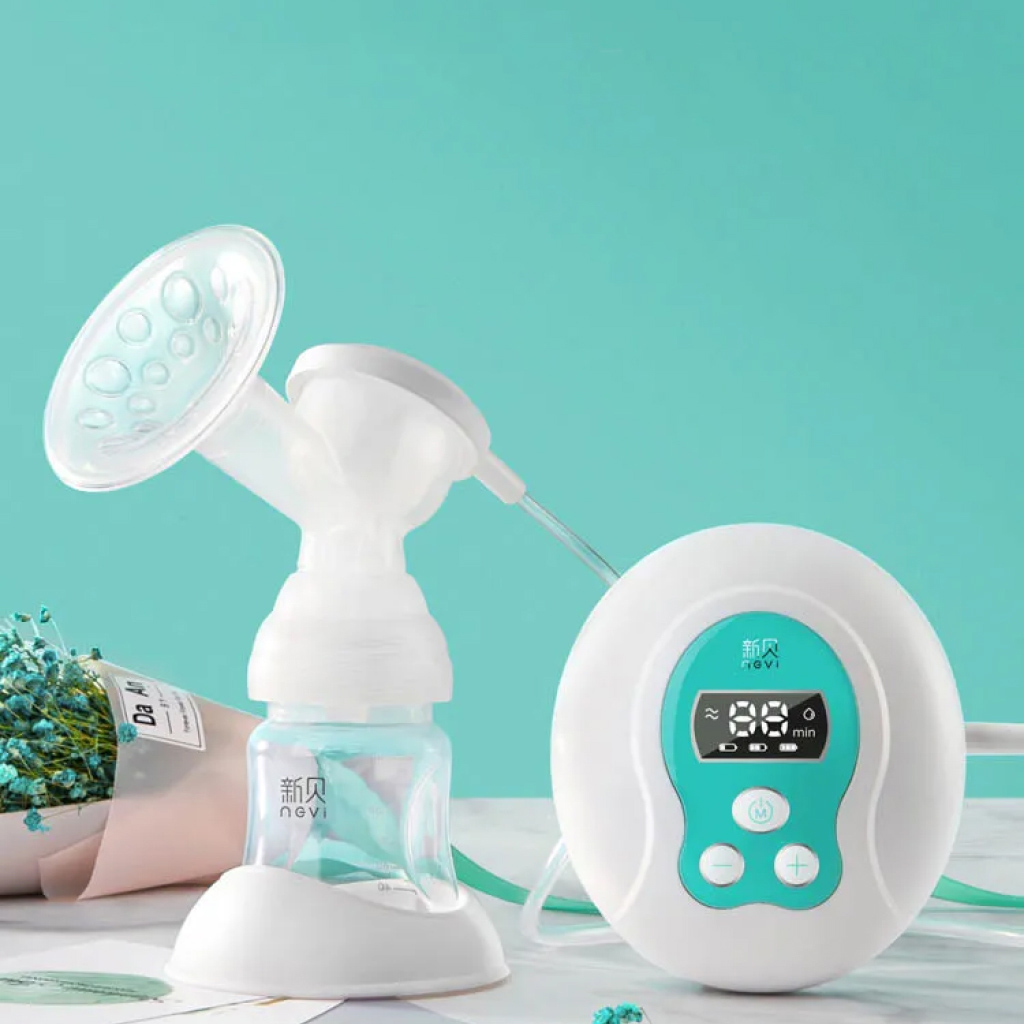
76% off on product page · save $637.98
Best Non-Wired Breast Pump: How to Choose

Choosing the best non-wired breast pump
The best non-wired breast pump is one that fits your body, matches how often you plan to pump, and lets you express milk comfortably in the places you need to use it. For some people, that means a wearable pump for occasional sessions away from an outlet; for others, a portable pump with separate collection containers offers a more comfortable setup.
Our USB Breast Pump for Postpartum Women is an option to consider as you plan your postpartum routine, but USB power alone does not tell you whether a pump can operate without a cord or how it is worn. Before choosing any pump for use away from an outlet, confirm its power requirements and decide whether its setup suits the level of mobility you want.
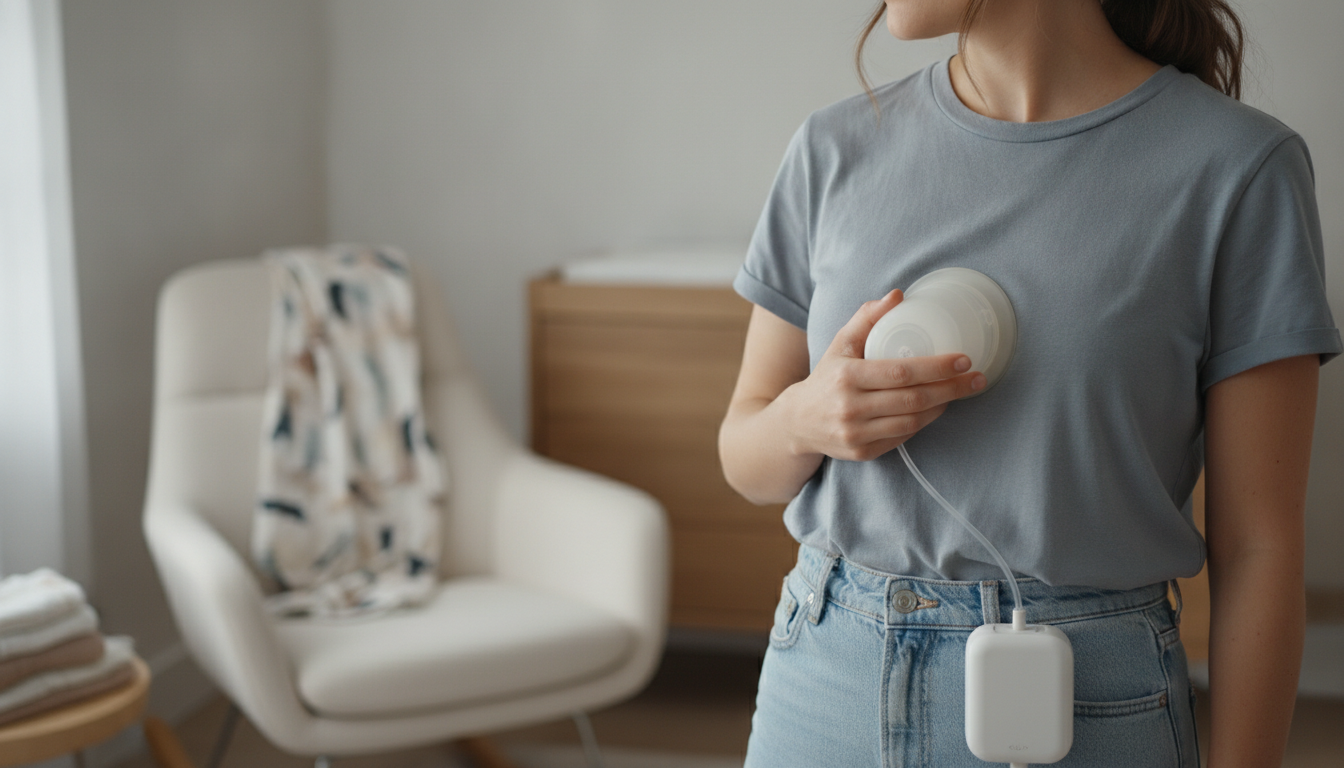
Compare wearable and portable options
Wearable pumps generally place the collection containers inside your bra, while other portable pumps may use external bottles, tubing, or a separate motor. Think about whether you want to pump discreetly during an occasional outing or need a setup that is convenient for frequent sessions at home and work.
A smaller or more discreet design is not automatically the best choice if the parts are uncomfortable or difficult for you to assemble and clean. Consider how you will position the pump, carry its components, and store expressed milk during a typical day before you make your decision.

Featured in this guide
USB Breast Pump for Postpartum Women
Prioritize fit and comfort
The flange, or breast shield, should allow your nipple to move freely in the tunnel without excessive rubbing or pulling in too much surrounding tissue. Nipple size can change during postpartum recovery, so reassess the fit if pumping becomes painful or you notice persistent redness or swelling.
Start with a comfortable suction setting rather than assuming stronger suction is better, and adjust it to suit your body. If pain continues or you are concerned about milk removal, a lactation consultant can help you assess your fit and pumping routine.
Check the product’s listed specifications when evaluating prioritize fit and comfort.
Plan for everyday care
After pumping, take apart the components that contact breast milk and clean them according to the manufacturer’s directions, allowing them to dry fully before reassembly. Keep clean parts protected until your next session, and follow current milk-storage guidance for your circumstances.
Our team recommends thinking through where you will wash parts and store milk before relying on a pump away from home. For more planning ideas, read our guide to a USB breast pump in your postpartum routine.
FAQ
What is the #1 breast pump?
There is no single pump that is best for everyone, because fit, comfort, power needs, and daily routines differ. Focus on a pump that meets your practical needs and works comfortably for your body.
See if USB Breast Pump for Postpartum Women fits your setup








Leave a comment