What Is the Hardest RC Plane to Fly? Jets and More
48% off on product page · save $42.98
What Is the Hardest RC Plane to Fly? Jets and More
Which RC planes are hardest to fly?
There is no single hardest RC plane for every pilot, but high-performance jets, small aerobatic planes, and scale models with demanding flight characteristics are often among the most challenging. They can require quick, precise control inputs and leave less time to correct mistakes than a stable, slower-flying trainer.
For many pilots, a fast RC jet is a strong candidate because its speed can make it difficult to judge distance, maintain orientation, and set up a smooth landing. The hardest choice for you will depend on your experience, the aircraft’s setup, and the conditions at your flying site.
Check the product’s listed specifications when evaluating which rc planes are hardest to fly.
Why are some models more difficult?
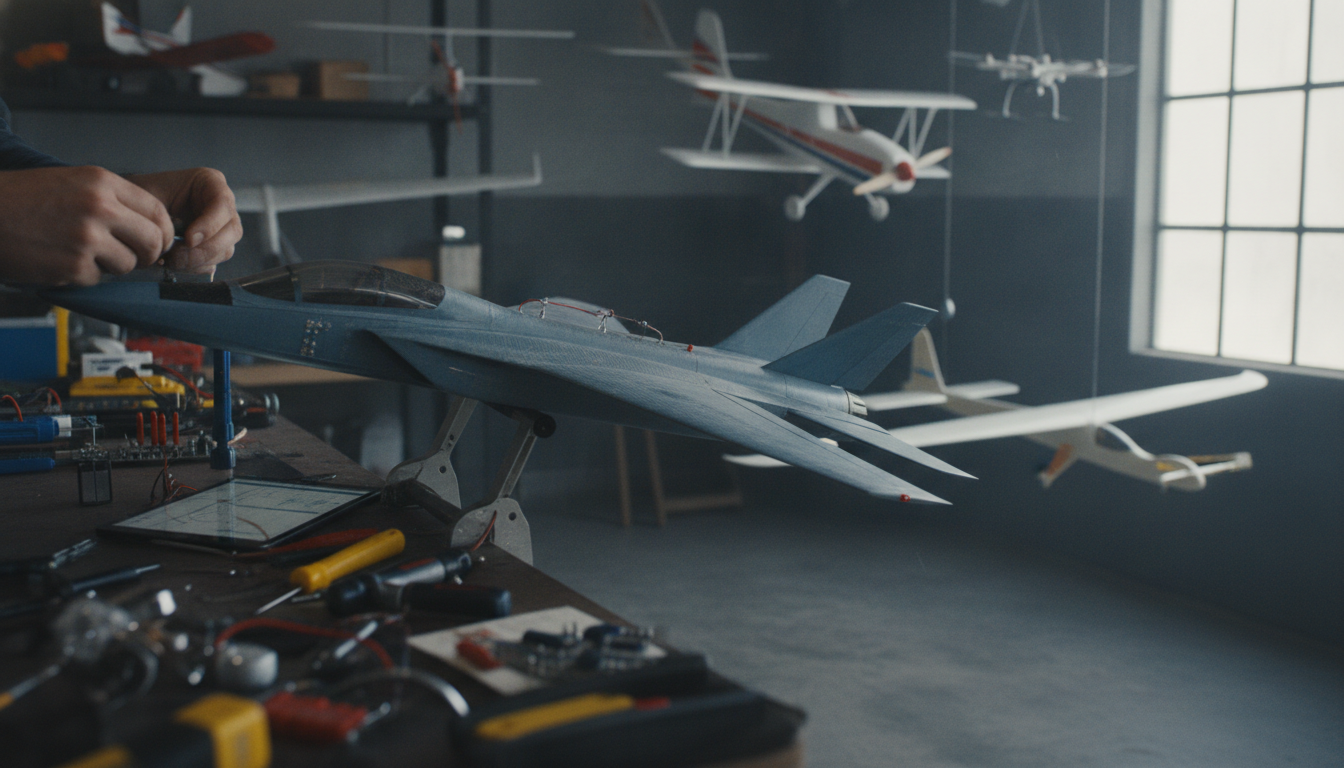
Planes designed for speed or aggressive maneuvers may respond sharply to small stick movements, so an input that feels minor on a trainer can produce a much bigger change in attitude. Some models also need to maintain enough airspeed through turns and landing approaches, making careful throttle and control management important.
Size and visibility matter, too: a small aircraft can become hard to orient when it is far away, while a larger, heavier model may demand more space and planning. Wind can add difficulty to either type, especially when you are still learning how a particular plane responds.
Check the product’s listed specifications when evaluating why are some models more difficult.
Featured in this guide
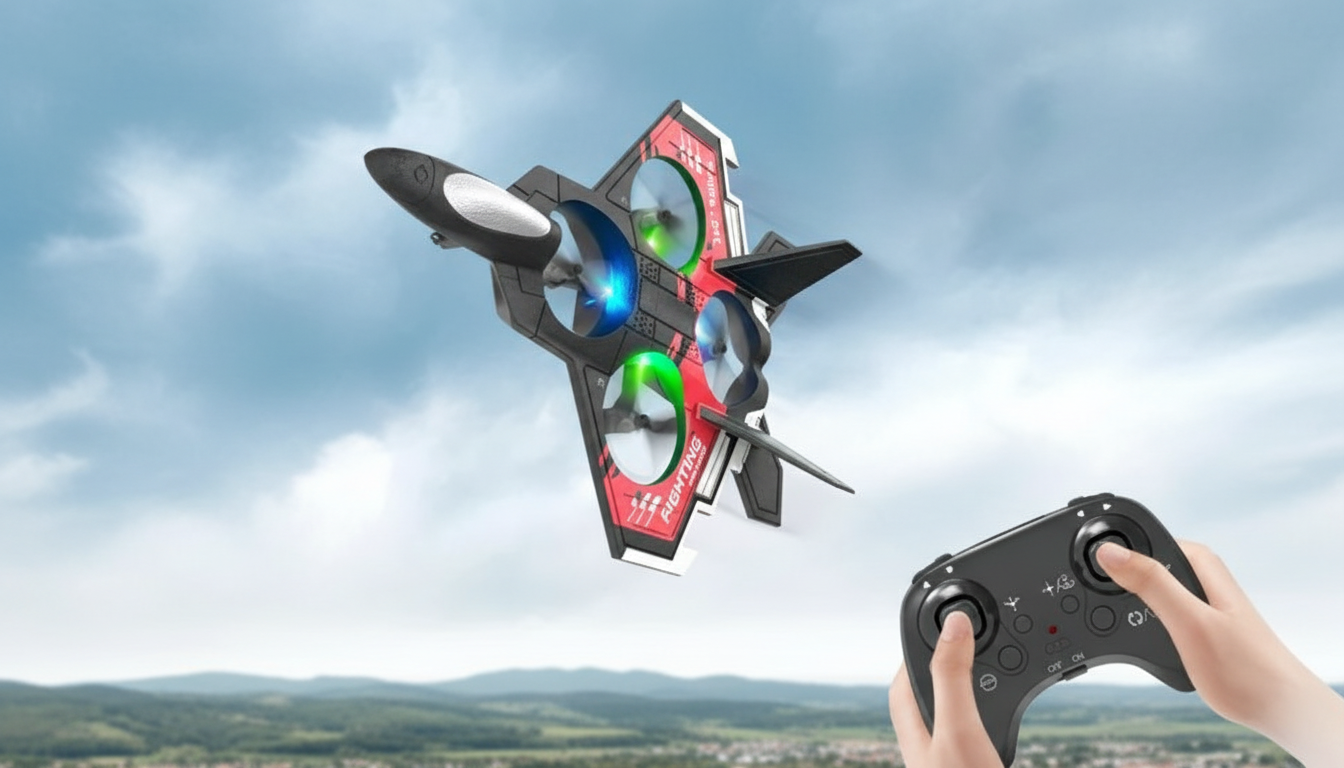
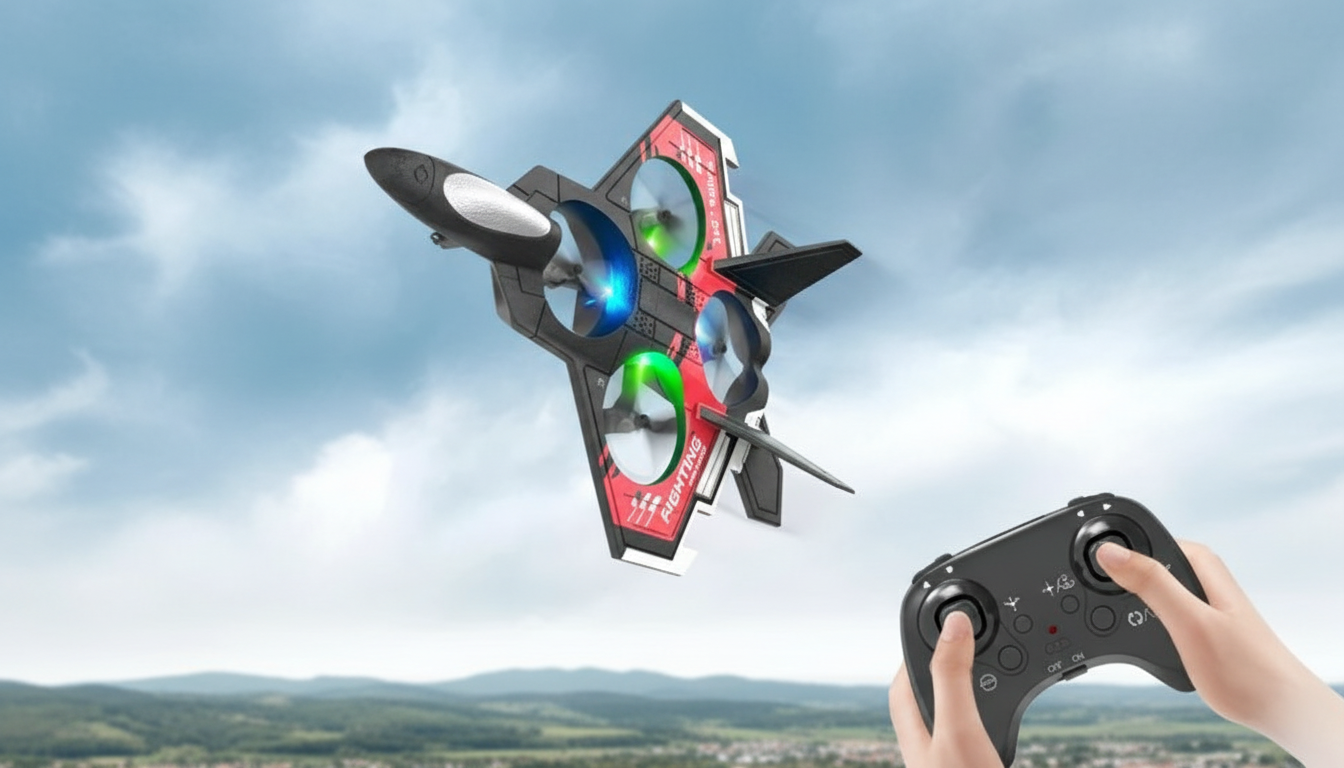
2.4GHz RC Foam Jet Plane with Camera & Stunt Roll
How should you progress to a harder plane?
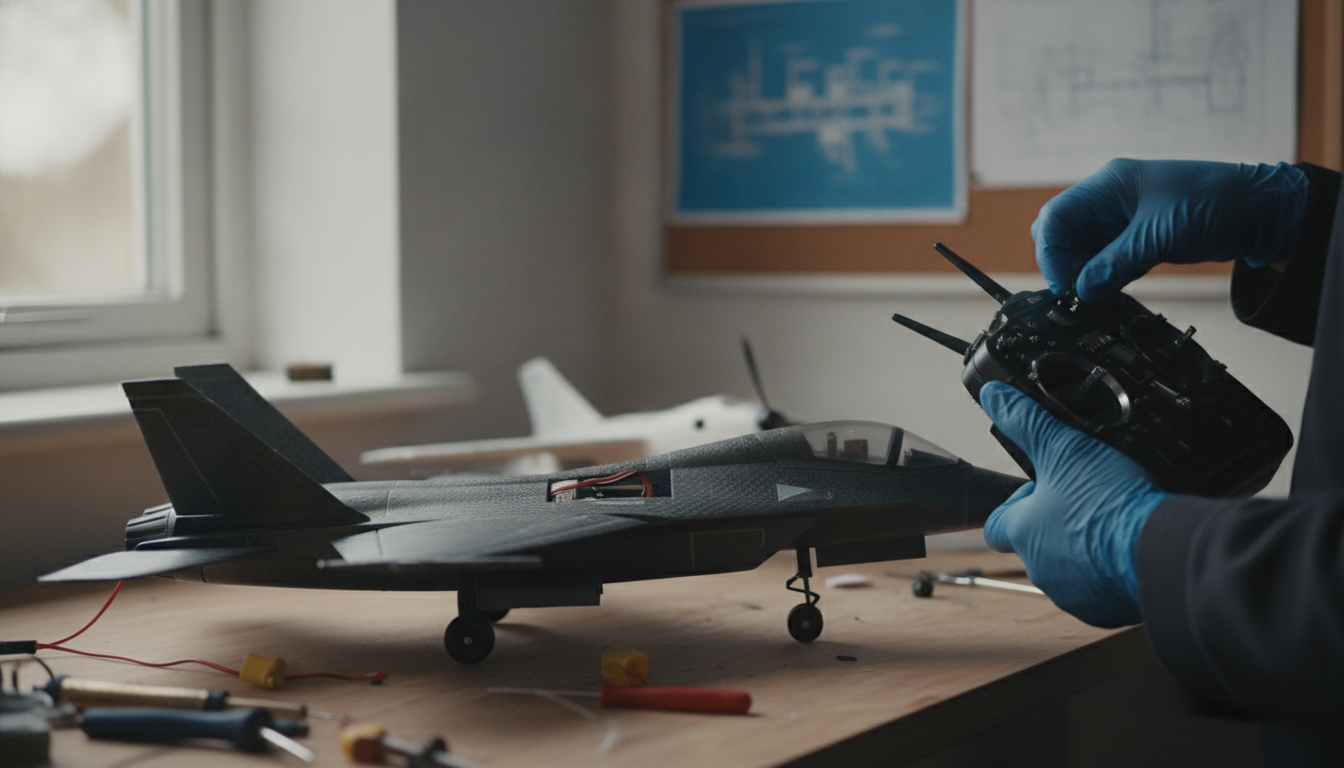
We suggest starting with a stable trainer and practicing straight-and-level flight, controlled turns, approaches, and landings before moving to a faster or more responsive model. A flight simulator or help from an experienced RC pilot can give you a useful way to practice unfamiliar maneuvers before trying them at the field.
When you step up, choose a spacious flying area, fly in mild conditions, and inspect the airframe and controls before takeoff. Give yourself room to make gradual inputs and establish a landing approach early rather than waiting until the plane is close to the ground.
Where does a foam jet fit?
Foam construction does not automatically make a jet easy or hard to fly; its speed, control response, size, and your own skills all affect the experience. Our 2.4GHz RC Foam Jet Plane with Camera & Stunt Roll is a jet-style option to explore if that type of aircraft interests you.
Our team recommends treating any unfamiliar plane as a new learning experience, even if you have flown other models before. Begin with straightforward flight and save rolls or other maneuvers until you are comfortable controlling the aircraft and have plenty of open space.
FAQ
What’s the easiest RC plane to fly?
A stable, slower-flying trainer is generally easier to learn on than a fast jet or highly responsive aerobatic plane. It gives you more time to practice turns and approaches while building confidence with the controls.
Which is the hardest plane to fly?
Among RC aircraft, fast jets and highly responsive aerobatic models can be especially demanding. The hardest one for you depends on your experience, the model’s flight characteristics, and the flying conditions.
See if 2.4GHz RC Foam Jet Plane with Camera & Stunt Roll fits your setup








Leave a comment