Healthiest Cup Materials: Glass, Steel, Ceramic & Silicone
82% off on product page · save $29.63
Healthiest Cup Materials: Glass, Steel, Ceramic & Silicone
Choose Glass for an Everyday Cup
For most adults, plain glass is a healthy, practical choice because it does not react with drinks or retain flavors, and you can see when it needs cleaning. Choose a sturdy, food-contact-safe glass and replace it if it becomes chipped or cracked; for children or settings where breakage is a concern, a different material may be more practical.

Consider Stainless Steel and Ceramic
Food-grade stainless steel is a durable alternative that works well for water and travel, although some people notice a metallic taste, especially with acidic drinks. A ceramic mug with a food-safe, lead-free glaze is another good choice for hot beverages; avoid using a mug with a damaged interior glaze, and be cautious with decorative or antique ceramics whose glaze is unknown.
Check the product’s listed specifications when evaluating consider stainless steel and ceramic.

Featured in this guide
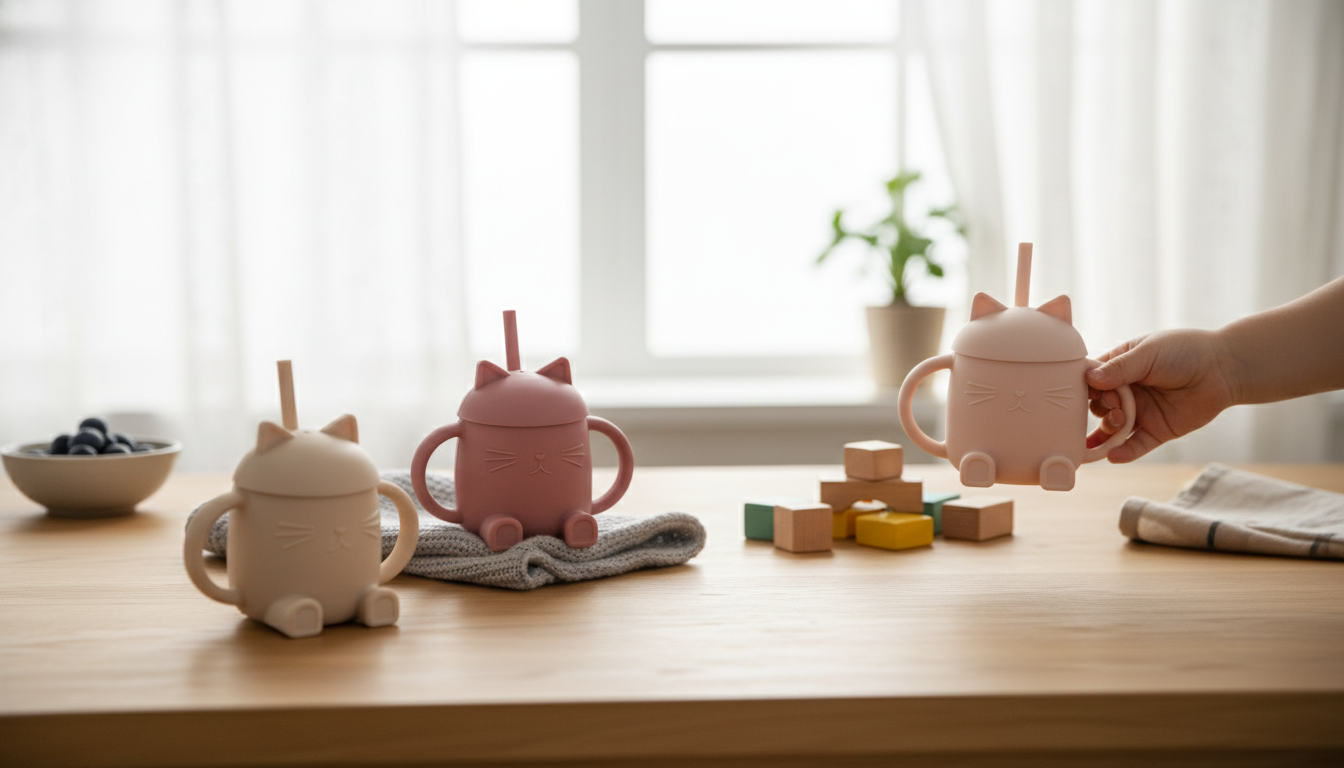
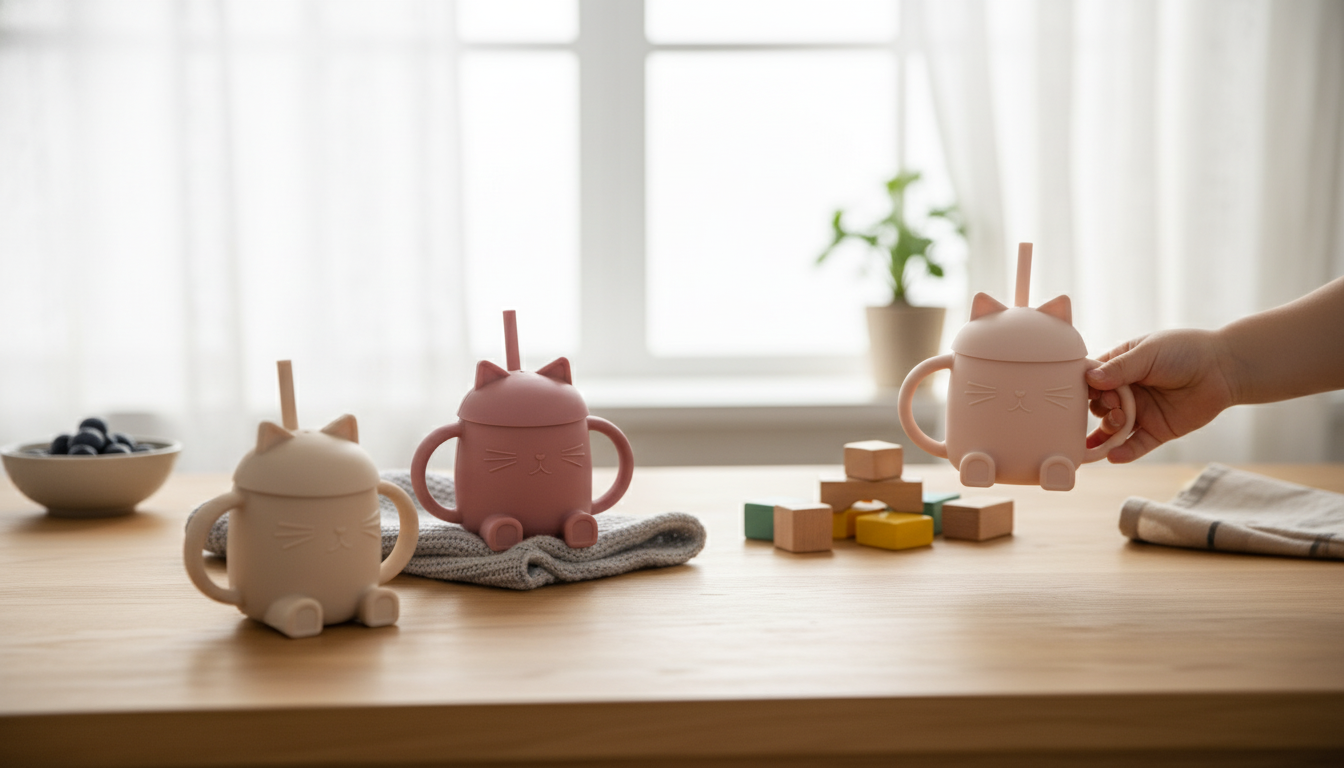
Baby Silicone Cat Lid Sippy Cup with Handles – BPA Free Toddler Drinking Cup
Pick a Cup That Fits the User
For toddlers learning to drink, a soft silicone cup can be easier to handle than breakable glass, while handles can give small hands a place to grip. Our Baby Silicone Cat Lid Sippy Cup with Handles is a BPA-free toddler drinking cup; supervise your child during use and choose a cup that suits their drinking skills.
Keep Any Cup Clean
The healthiest cup is also one you can clean thoroughly: wash the cup and any removable lid or drinking parts after use, paying attention to grooves where liquid can collect. Let the parts dry completely before reassembling, follow the manufacturer’s care instructions, and replace pieces that are cracked, damaged, or difficult to clean.
See if Baby Silicone Cat Lid Sippy Cup with Handles – BPA Free Toddler Drinking Cup fits your setup









Leave a comment