Which Sippy Cups Should I Avoid? A Parent’s Guide
78% off on product page · save $16.98
Which Sippy Cups Should I Avoid? A Parent’s Guide
Avoid cups that are difficult to clean
We recommend avoiding sippy cups with narrow valves, hidden crevices, or parts you cannot fully take apart, because leftover milk or other drinks can collect in places that are hard to wash. If you choose a cup with a valve, make sure you can remove and clean every piece, rinse it thoroughly, and let the parts dry before putting the cup back together.

Be cautious with hard spouts and spill-proof valves
Hard-spout cups and cups that require strong sucking can keep your child using a bottle-like drinking pattern, so we suggest considering an open cup or a straw cup as your child develops drinking skills. A spill-proof cup may be convenient for a car ride or outing, but you do not need to rely on one for every drink at home.
Check the product’s listed specifications when evaluating be cautious with hard spouts and spill-proof valves.

Featured in this guide
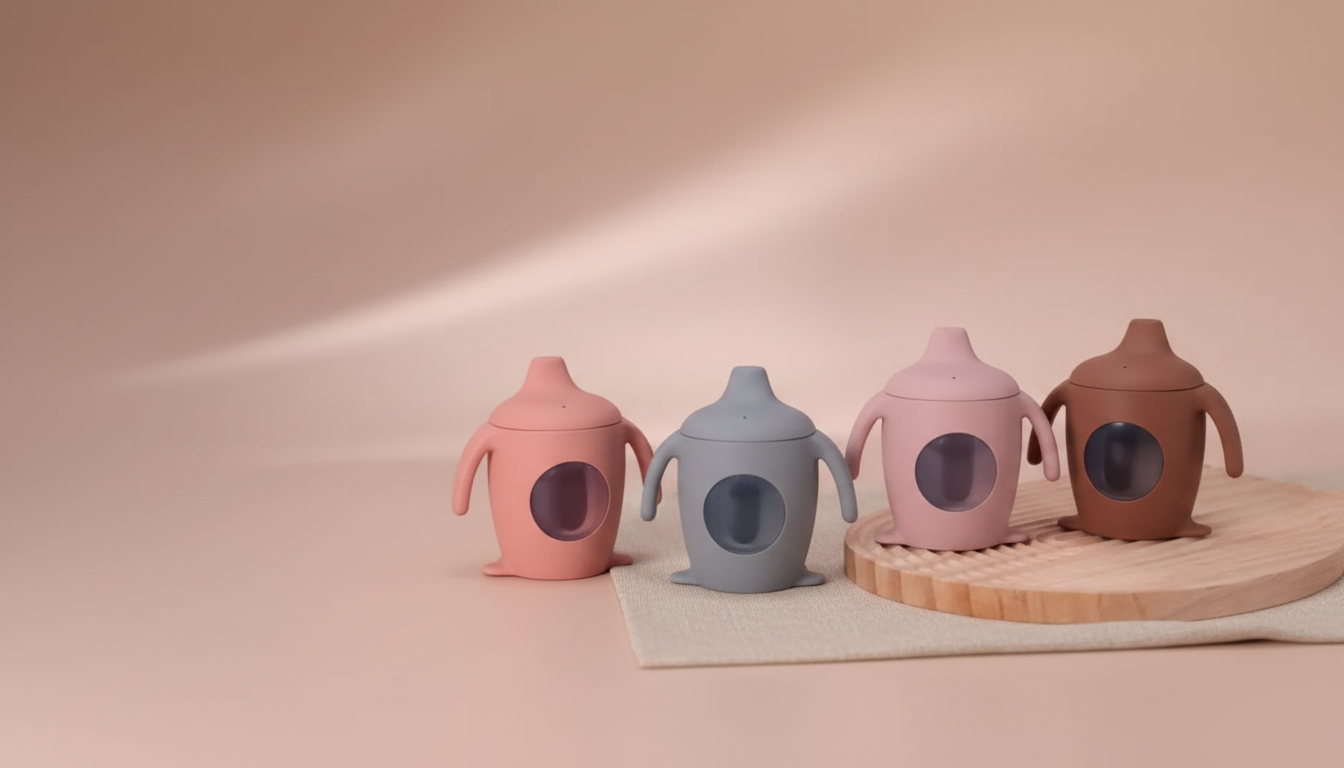
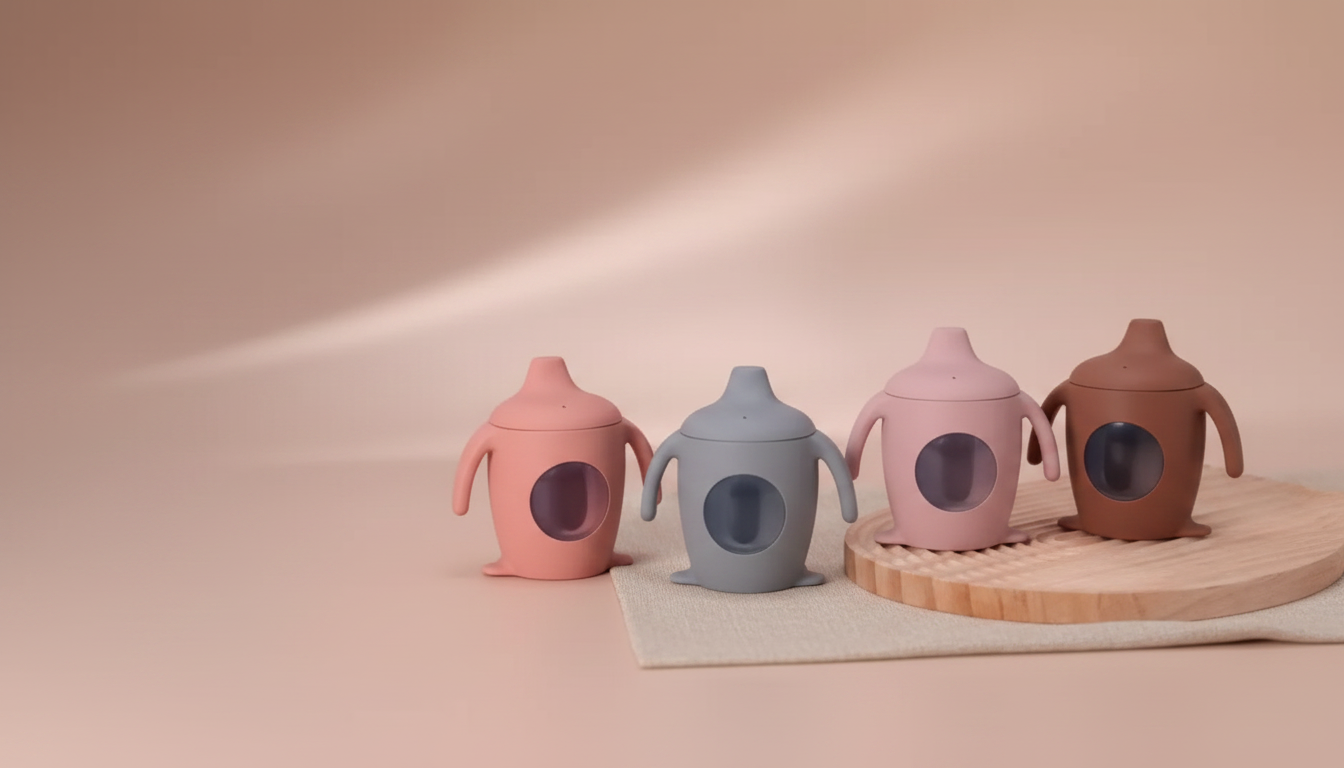
Penguin-Shaped Silicone Baby Sippy Cup
Skip damaged or poorly fitting cups
Avoid cups with cracked bodies, chipped rims, torn spouts, or loose components, and replace a cup when damage makes it difficult to clean or use safely. Choose a size and weight your child can manage, and supervise drinking, especially while your child is learning to use a new cup or walking around with it.
Consider how the cup will be used
We suggest avoiding a cup that your child carries and sips from all day, particularly when it contains milk, juice, or another drink with sugar, because frequent exposure can contribute to tooth decay. Offer drinks with meals and snacks, use water between them when appropriate, and ask your child’s pediatrician or dentist for guidance suited to their age and needs.
Choose materials you can maintain
Our team recommends looking for a cup with a smooth drinking surface and parts you can wash according to the manufacturer’s care instructions; avoid materials or finishes that are peeling, warped, or otherwise damaged. If you are considering our Penguin-Shaped Silicone Baby Sippy Cup, you can read our sippy cup guide alongside these practical considerations.
See if Penguin-Shaped Silicone Baby Sippy Cup fits your setup









Leave a comment