How to Teach Empathy to Adults: Everyday Practices
How to Teach Empathy to Adults: Everyday Practices
Start With Listening
We can practice empathy by giving another person our full attention, putting away distractions, and letting them finish before we respond; you can try this with a partner, friend, coworker, or family member. Instead of immediately offering a solution, ask what the experience has been like for them and listen for the feelings beneath their words.
Reflect back what you heard in your own words, such as, “It sounds like you felt overlooked when that decision was made,” then give the person a chance to correct you. This step matters because empathy is not guessing perfectly or agreeing with every reaction; it is making room for someone else’s perspective and checking your understanding.
Practice Perspective-Taking
When a disagreement arises, pause and consider what the other person may know, need, or fear that you have not noticed, while avoiding assumptions about their intentions. For example, if a coworker seems abrupt, you might ask whether a deadline is creating pressure rather than deciding they are being rude.
You can also use everyday conversations, books, or films to discuss how different people might experience the same situation, including what each person stands to lose or gain. Compare those interpretations without insisting on one correct answer, and notice how your own experiences shape the conclusions you reach.
Featured in this guide
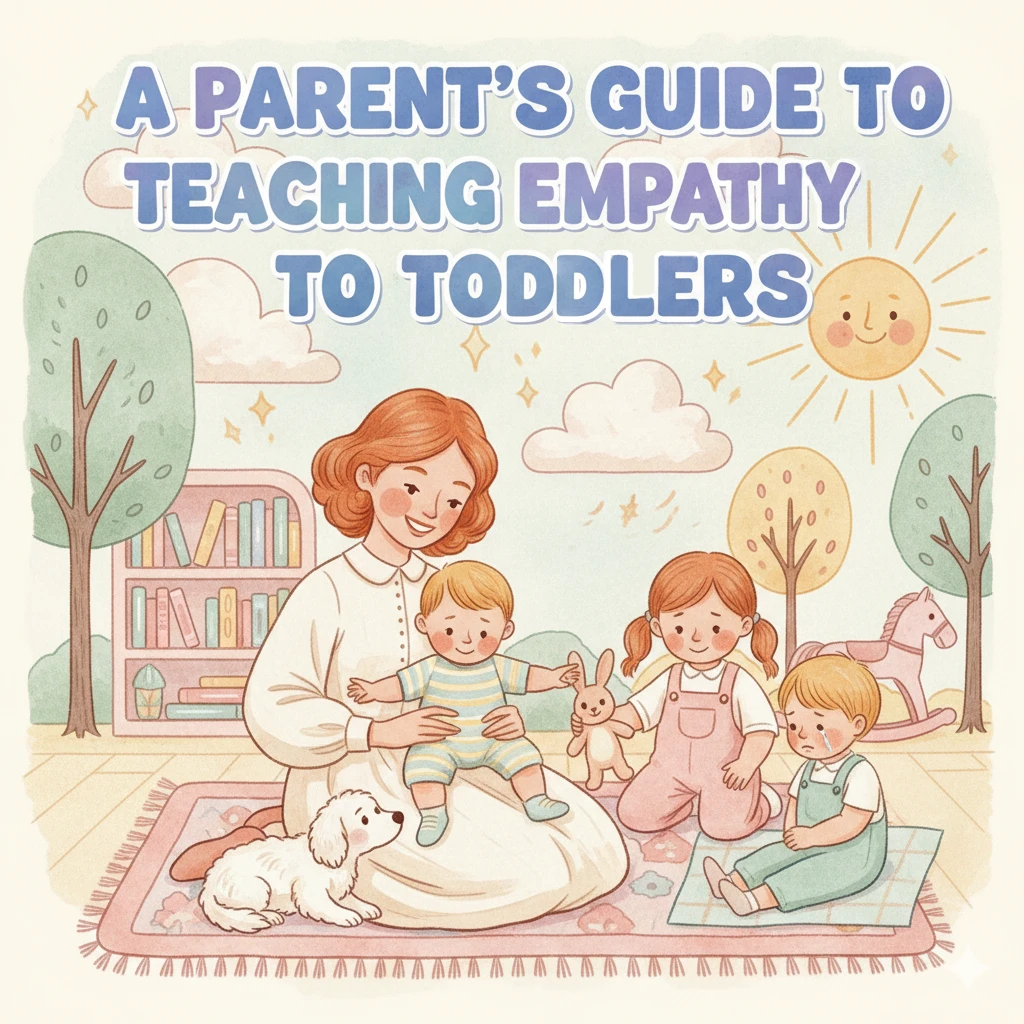
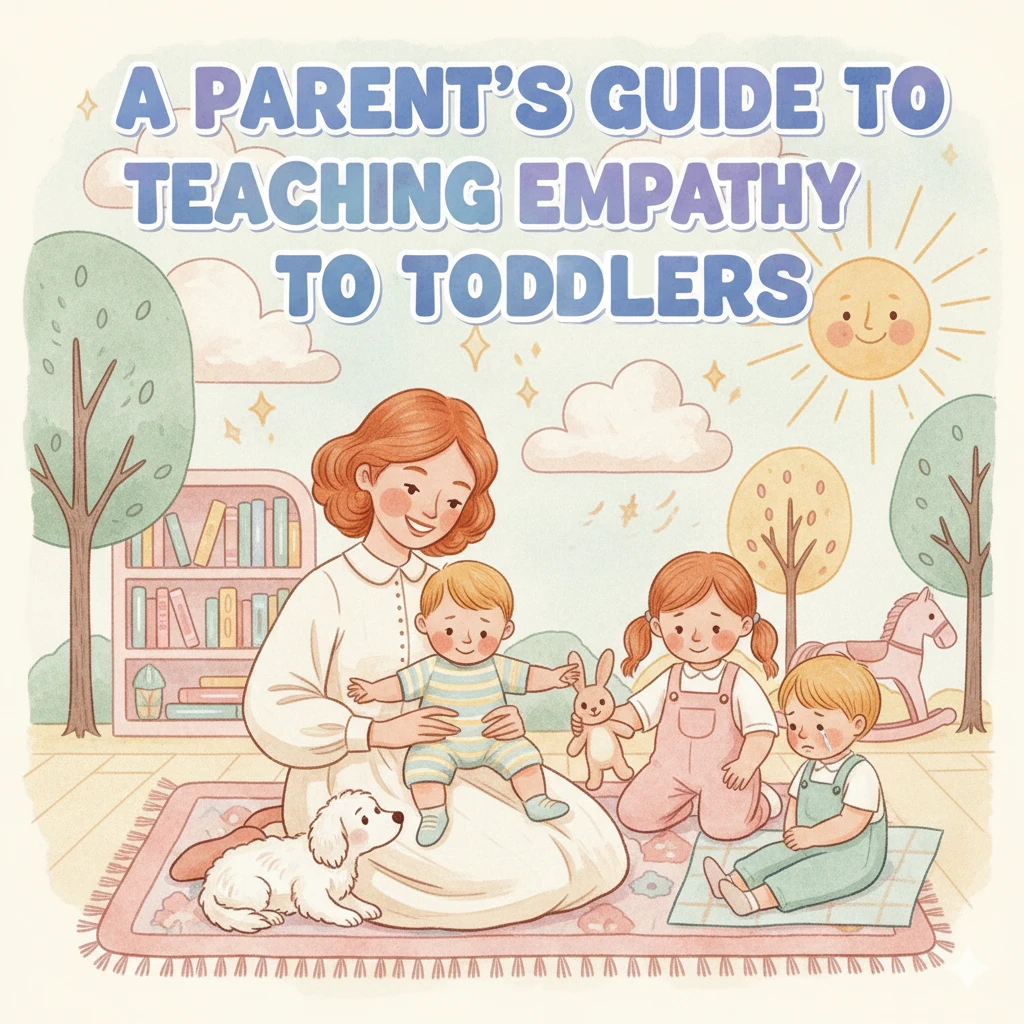
A Parent’s Guide to Teaching Empathy to Toddlers | How to Teach Empathy to Toddlers | Printable Digital eBook for Parents | Gentle Parenting Resource
Respond With Care and Boundaries
Once you understand more, acknowledge the feeling you hear and ask what kind of support would help: “That sounds frustrating; would you like me to listen or help you think through options?” You do not have to fix the problem, share the same opinion, or excuse hurtful behavior to show that you care.
If a conversation becomes heated, take a break and return when you can listen without interrupting, blaming, or dismissing the other person’s feelings. Empathy can coexist with a clear boundary, such as, “I understand you’re upset, and I’m willing to talk when we can both speak respectfully.”
Check the product’s listed specifications when evaluating respond with care and boundaries.
Build Empathy Into Family Life
Our team encourages adults to model the habits they want children to see: naming feelings, listening patiently, apologizing when appropriate, and making repairs after a misunderstanding. You might revisit a difficult moment later and say, “I interrupted you earlier, and I’m sorry; I’d like to hear what you were trying to tell me.”
For families practicing these skills together, our printable digital eBook, A Parent’s Guide to Teaching Empathy to Toddlers, is a parenting resource focused on teaching empathy in everyday moments. Its toddler-focused approach can also give you opportunities to practice patient listening and compassionate responses as an adult.
Check the product’s listed specifications when evaluating build empathy into family life.
FAQ
Can an adult be taught empathy?
Yes, adults can practice empathy through attentive listening, perspective-taking, and thoughtful responses in everyday interactions. Feedback from trusted people can help you notice habits, such as interrupting or rushing to give advice, that get in the way.
What is the root cause of lack of empathy?
There is no single root cause; stress, past experiences, learned habits, and difficulty recognizing emotions can all affect how someone responds to others. If a persistent lack of empathy is harming your relationships, a qualified mental health professional can help you explore what may be contributing.
See if A Parent’s Guide to Teaching Empathy to Toddlers | How to Teach Empathy to Toddlers | Printable Digital eBook for Parents | Gentle Parenting Resource fits your setup









Leave a comment