How to Build a Baby Nap Schedule That Fits Your Family
20% off on product page · save $3.00
How to Build a Baby Nap Schedule That Fits Your Family
Start With Your Baby’s Sleep Cues
Babies’ sleep needs change as they grow, and two babies of the same age may nap differently. A younger baby may sleep in shorter stretches throughout the day, while an older baby may gradually settle into fewer naps. The CDC’s sleep guidance offers general sleep-duration recommendations by age, but your baby’s individual needs matter too.
Look for signs that your baby is becoming tired, such as yawning, fussiness, looking away, or losing interest in play. Some babies show subtle cues before they become noticeably upset. A quiet pause may be a good time to begin winding down rather than waiting for fussiness to build.
Sleep cues are only part of the picture. Your baby may also need a feed, a diaper change, or comfort. Respond to those needs rather than delaying care to follow a schedule.
For a few days, jot down when your baby wakes, when naps begin and end, and what you noticed beforehand. Include feeds or other details if they help you make sense of the day. You don’t need a perfect record; a few notes can reveal a useful starting pattern.
Build a Flexible Nap Rhythm
Start with your baby’s usual morning wake time. When practical, use a similar starting point each day, but don’t worry if a difficult night or family commitment shifts the morning. Notice when the first tired cues tend to appear and use them to guide your first nap opportunity.
A short nap may mean tiredness returns sooner, while a longer nap may shift the next one later. Look for a rhythm that gives your baby chances to rest and gives you a workable plan.
Before sleep, try a brief wind-down: close the curtains, speak softly, and sing the same gentle song. Keep it short enough to repeat at home or adapt when you’re away.
Featured in this guide
How to Build a Baby Nap Schedule | The Best Way to Set Nap Schedule for Baby | Digital Download eBook for Parents
Review and Adjust
- Morning: Note the usual wake time and first tired cues.
- Before naps: Watch for changes in alertness or mood and begin a calm wind-down.
- After naps: Record nap length and how your baby wakes.
- After several days: Look for patterns and adjust gradually.
If a nap is regularly difficult, try beginning the wind-down a little earlier or later and observe what happens over the next few days. Growth, illness, travel, and family changes can affect a familiar rhythm. It’s okay to pause and revisit the plan when things settle.
Keep Every Nap Safe
For every nap and nighttime sleep, place your baby on their back on a firm, flat sleep surface. Keep loose bedding, pillows, toys, and other soft objects out of the sleep area. These practices follow the American Academy of Pediatrics’ safe sleep guidance.
A predictable routine should never come at the expense of a safe sleep space. If you have concerns about your baby’s sleep, feeding, or individual medical needs, ask your pediatrician for guidance tailored to your child.
Check the product’s listed specifications when evaluating keep every nap safe.
Explore the Baby Nap Schedule eBook
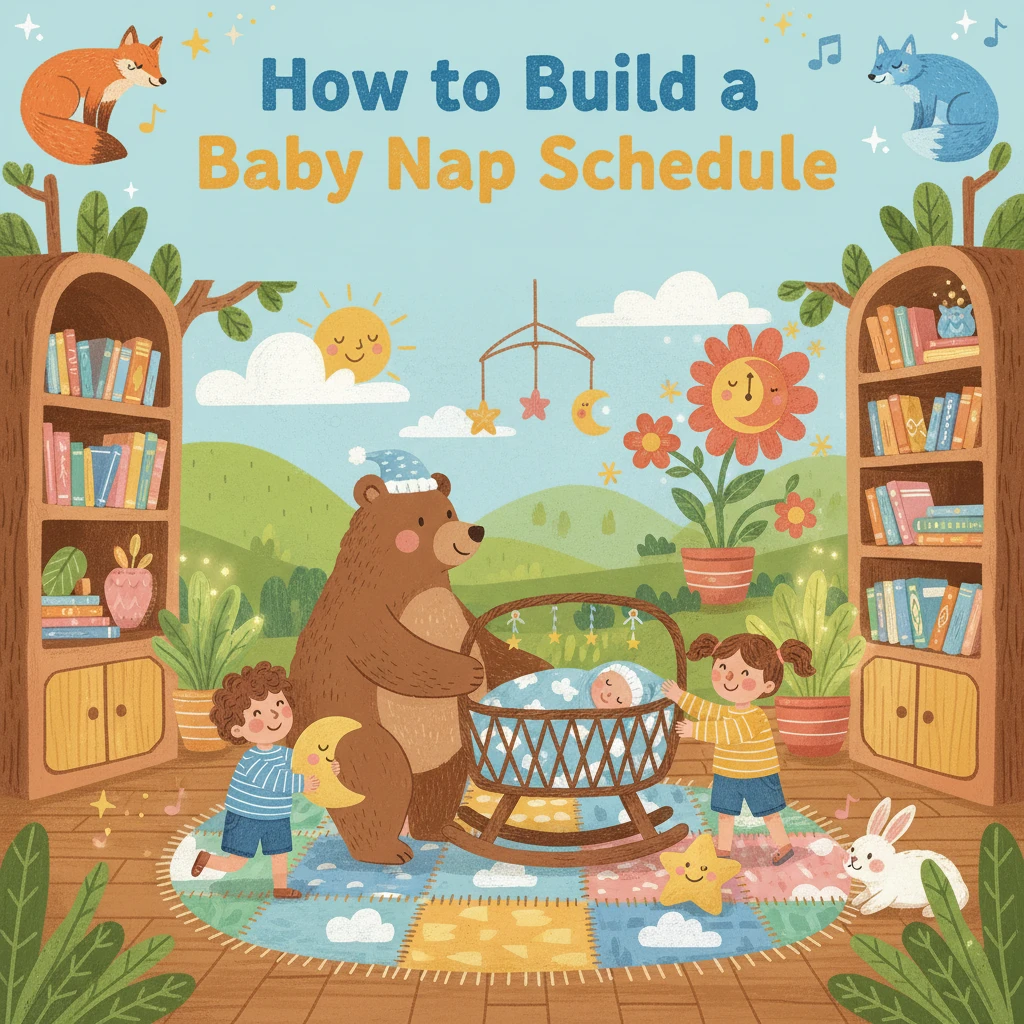
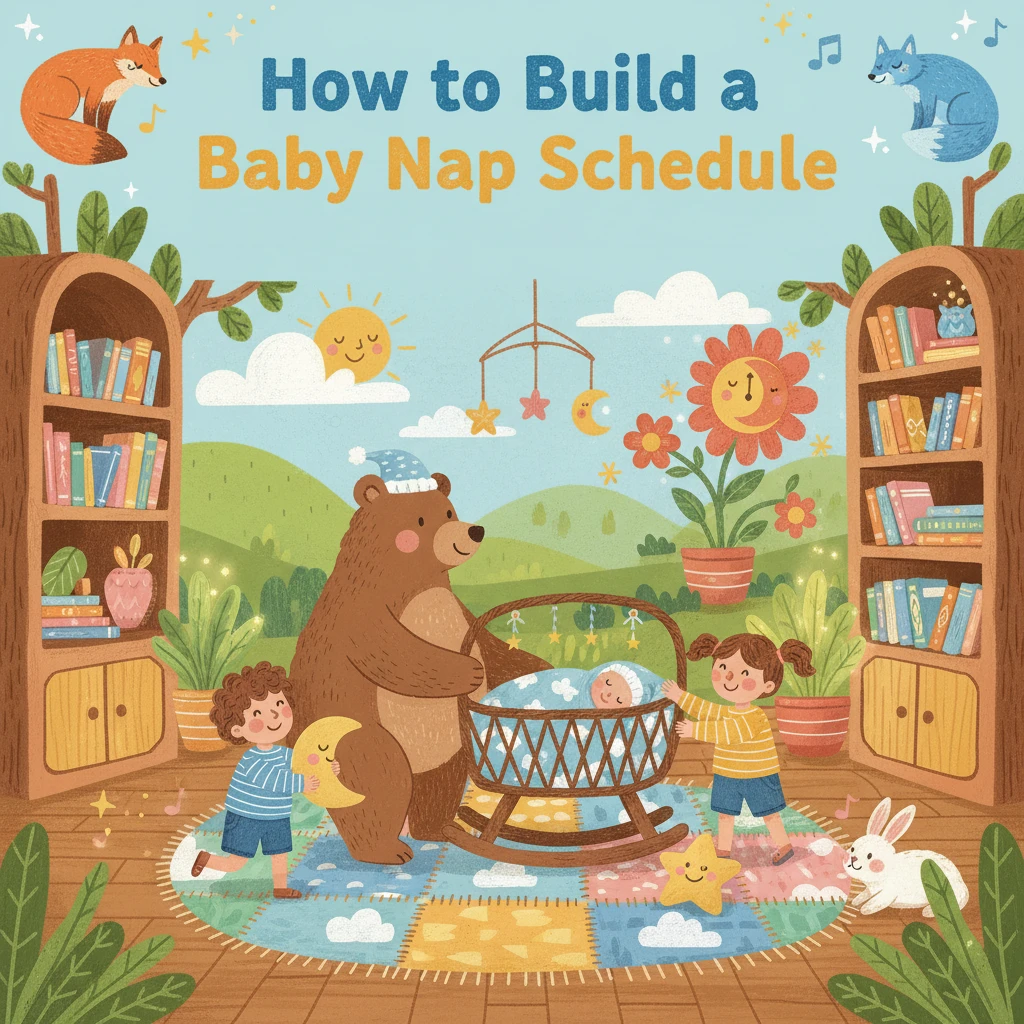
For parents who want a resource to consider while building a flexible routine, we offer the How to Build a Baby Nap Schedule eBook.
Think of a resource as a companion to your observations, not a promise that one schedule will suit every baby. Your notes, your family’s day, and your pediatrician’s advice can help you decide what to try.
For awake-time dressing, you can also explore our Girls Knit Sweater Dress with Heart Print & Ruffle Collar. It’s a separate option for your child’s wardrobe, not part of a nap routine.
Check the product’s listed specifications when evaluating explore the baby nap schedule ebook.
FAQ
How to create a nap schedule for baby?
Track your baby’s usual wake times, naps, and tired cues for a few days, then build a gentle wind-down around the patterns you notice. Adjust the routine as your baby grows and their needs change.
What is the 5-3-3 rule for babies?
The 5-3-3 rule commonly refers to intervals between nighttime feeds, not a universal nap schedule. Ask your pediatrician about feeding decisions, since your baby’s age, growth, and individual needs matter.
What is the best sleep schedule app for babies?
There is no single best app for every family; look for simple sleep tracking and privacy controls that suit you. An app cannot replace individualized medical advice.
See if How to Build a Baby Nap Schedule | The Best Way to Set Nap Schedule for Baby | Digital Download eBook for Parents fits your setup









Leave a comment