Which Sippy Cups Should You Avoid? Key Signs to Check
78% off on product page · save $16.98
Which Sippy Cups Should You Avoid? Key Signs to Check
Which sippy cups should you avoid?
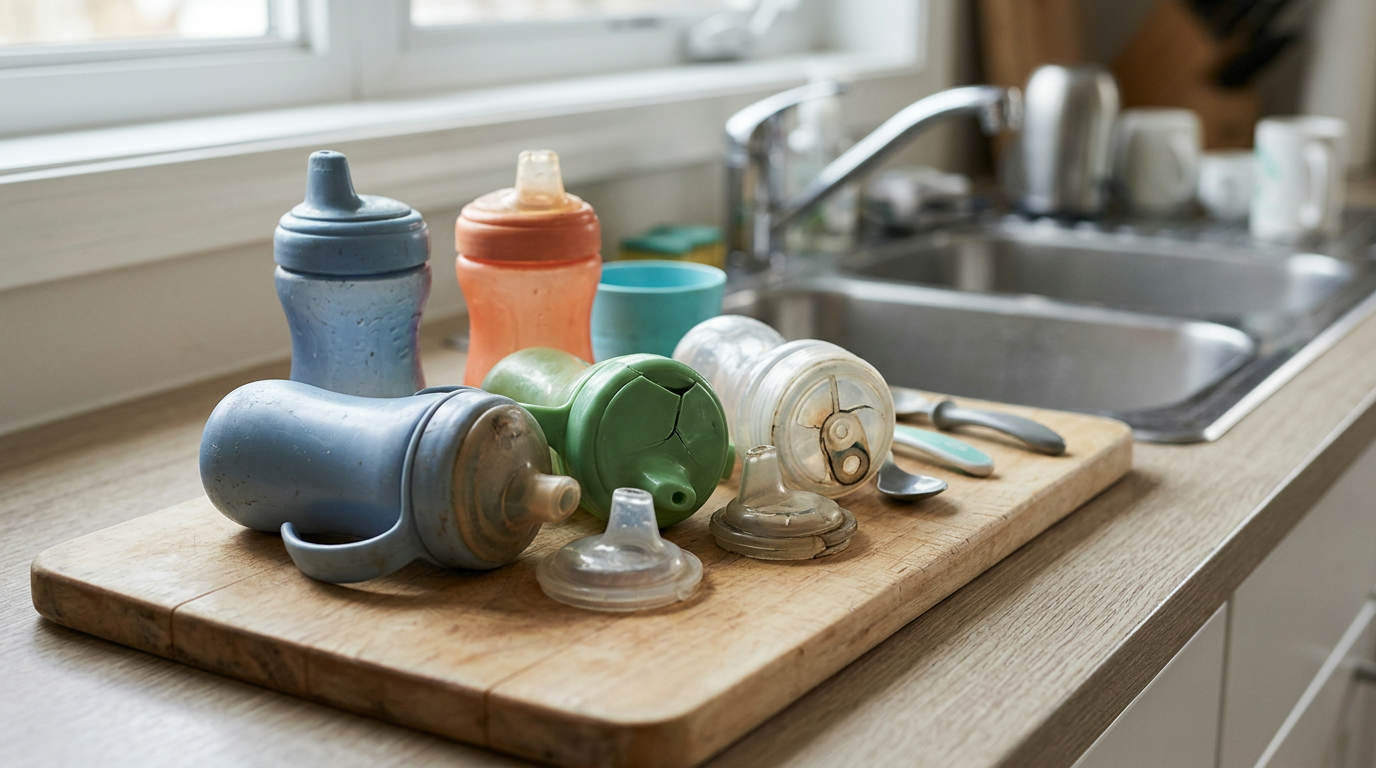
We recommend avoiding sippy cups with damaged spouts, cracked lids, loose pieces, or parts that no longer fit securely, since wear can make a cup harder to use and clean. A cup that leaks badly or has a valve your child must bite to release liquid may also be a poor everyday choice, especially if you’re helping your child practice sipping rather than chewing.
Look for a cup you can clean thoroughly
Our team would pass on cups with narrow, hard-to-reach spaces if you can’t take them apart and wash every surface that touches a drink. If a cup has a persistent odor, visible buildup, or a damaged seal that cleaning does not resolve, replace it instead of continuing to use it.
Straws, valves, and spouts need particular attention because liquid can collect inside them. Follow the cup maker’s washing instructions, let parts dry fully before reassembly, and inspect them regularly for wear.
Featured in this guide
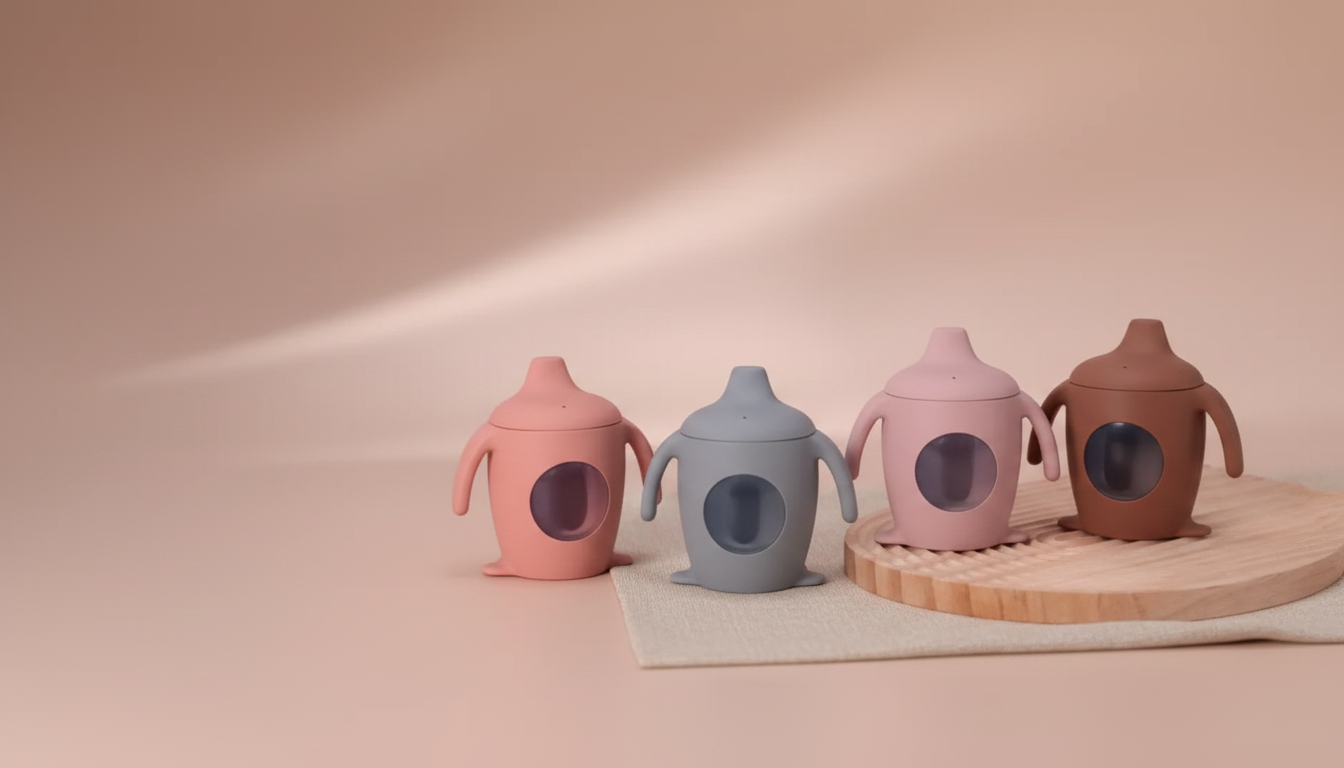
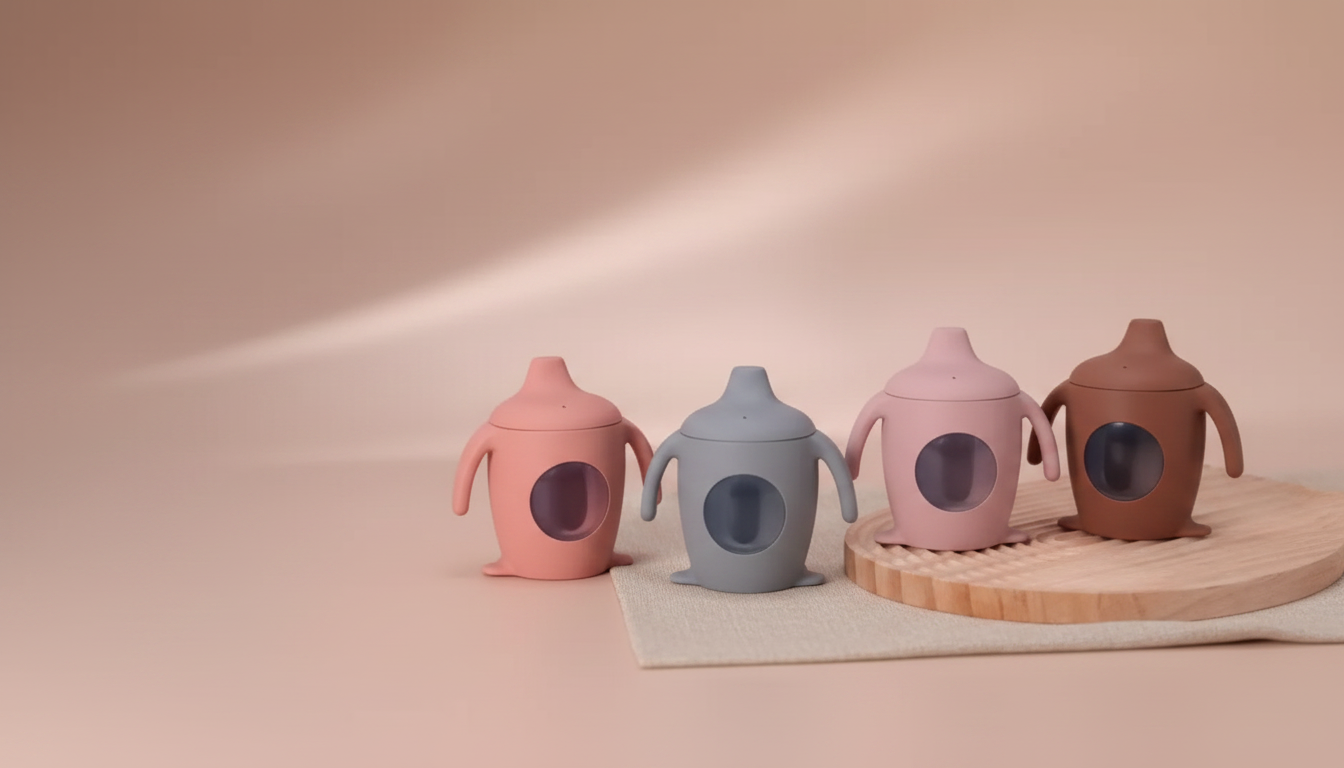
Penguin-Shaped Silicone Baby Sippy Cup
Match the cup to your child’s stage
A heavy cup, a difficult-to-open valve, or a fast-flow spout may frustrate a child who is just learning to drink independently. We suggest choosing a cup your child can hold comfortably and supervising use while they learn, rather than assuming any “spill-proof” design will suit every child.
For everyday drinks, avoid letting a child carry a sippy cup filled with juice or milk and sip from it continuously throughout the day. Offering drinks at appropriate times and cleaning the cup after use is a more practical routine than leaving a filled cup within reach for hours.
Consider materials and cup style
Avoid any cup with chipped, peeling, or otherwise deteriorating surfaces, regardless of its material. Our Penguin-Shaped Silicone Baby Sippy Cup guide can help you consider the featured cup, but the right choice still depends on your child’s drinking skills and how easily you can care for the cup.
Check the product’s listed specifications when evaluating consider materials and cup style.
FAQ
Which sippy cups should I avoid?
Avoid cups with damaged parts, surfaces you cannot clean thoroughly, or a flow that is difficult for your child to manage. Replace a cup when its parts no longer fit securely or show signs of wear.
See if Penguin-Shaped Silicone Baby Sippy Cup fits your setup







Leave a comment