Safest Sippy Cup Materials: Silicone, Steel & More
78% off on product page · save $16.98
Safest Sippy Cup Materials: Silicone, Steel & More
Which sippy cup material is safest?
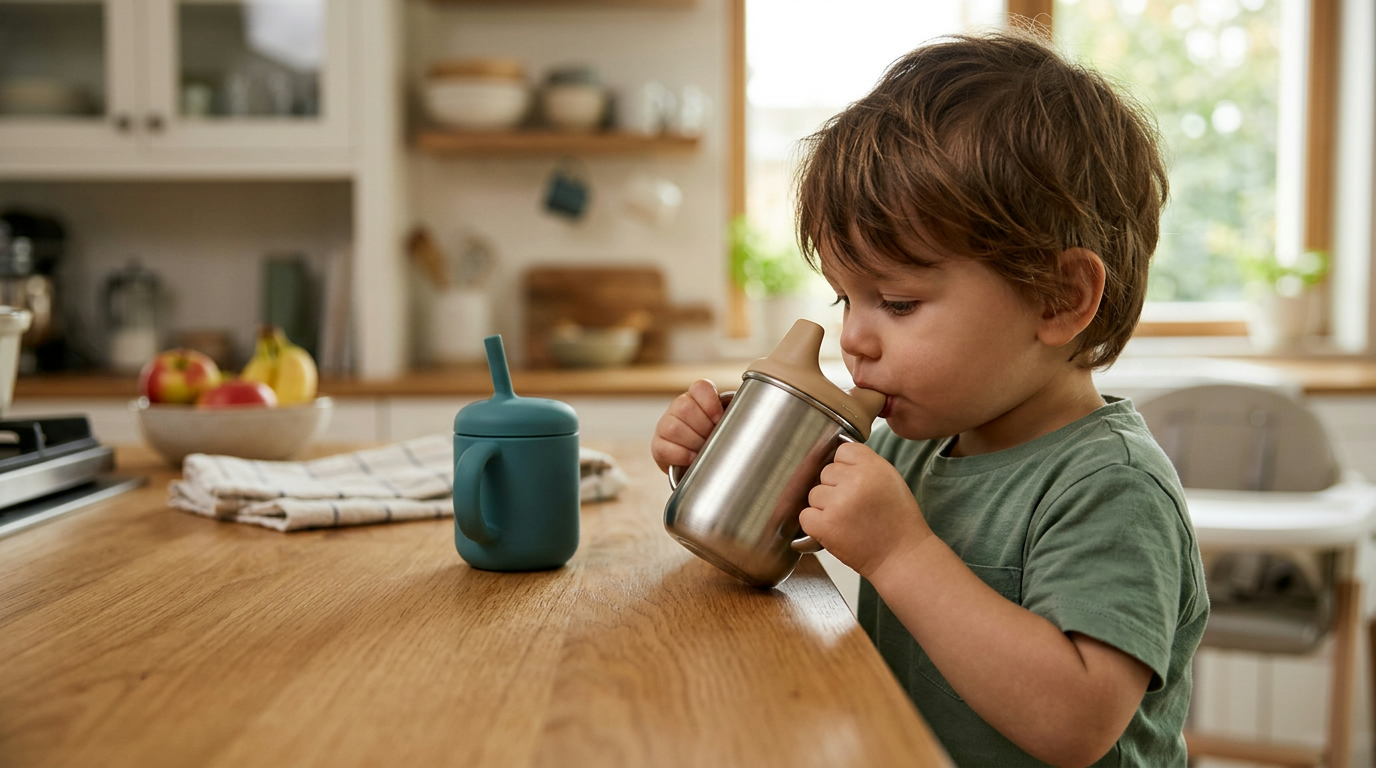
There is no single safest material for every child, but food-grade silicone and stainless steel are practical choices because they are durable and do not rely on a plastic cup body. Glass is another option, although its weight and potential to break make close supervision especially important; whichever material you choose, a cup with loose parts, cracks, or damaged drinking surfaces is not a safe choice.
How do silicone, steel, glass, and plastic compare?
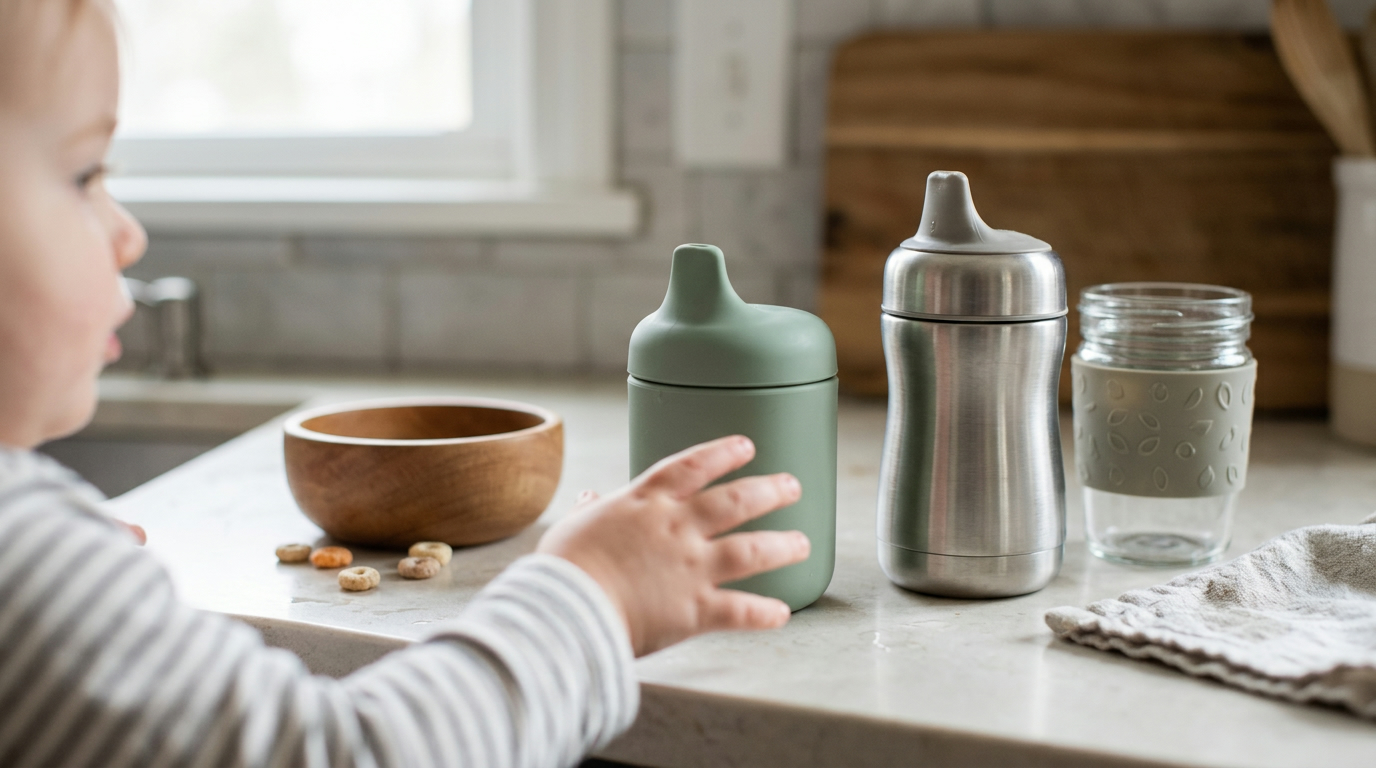
Silicone is soft and flexible, which may suit a child learning to hold a cup, while stainless steel is sturdy but can feel heavier in small hands. Glass lets you see what remains inside, and plastic is lightweight, but material alone cannot tell you whether a particular cup is appropriate: its condition, parts, and intended age range matter, too.
Featured in this guide
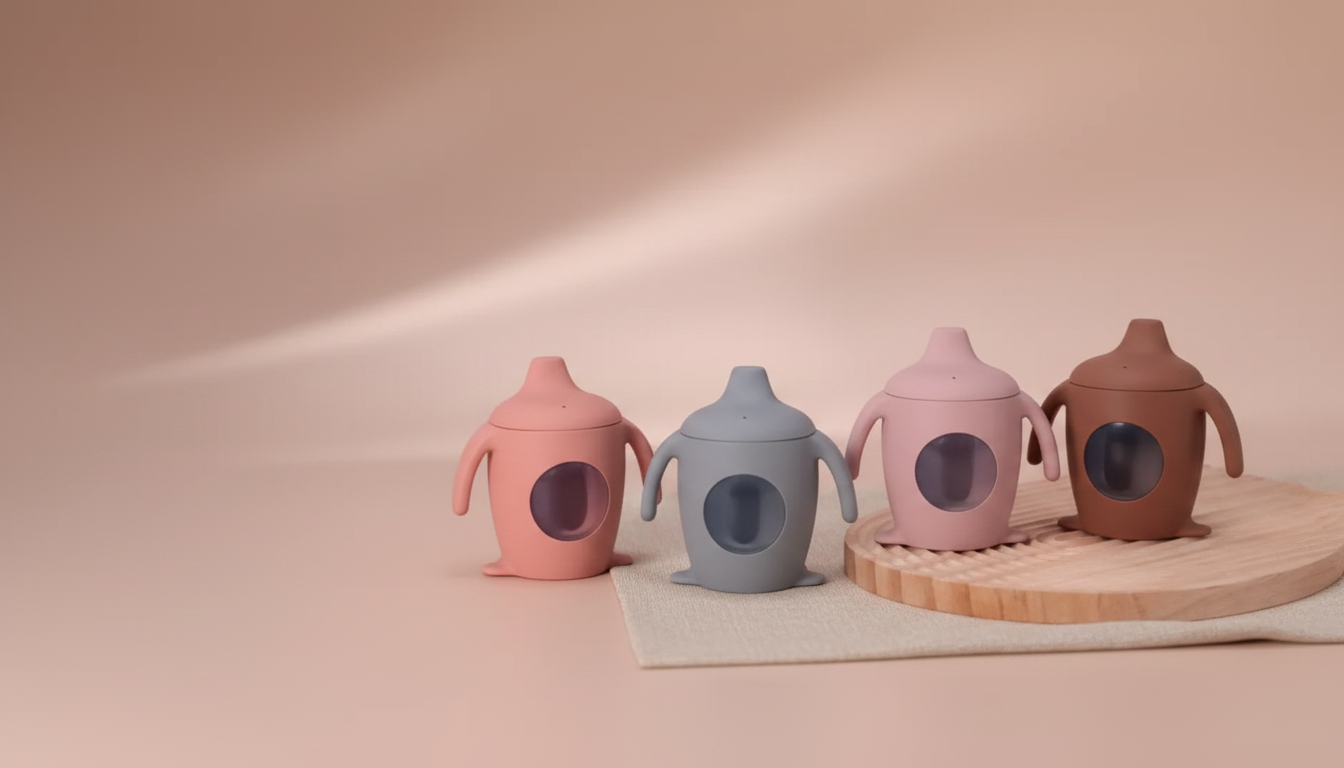
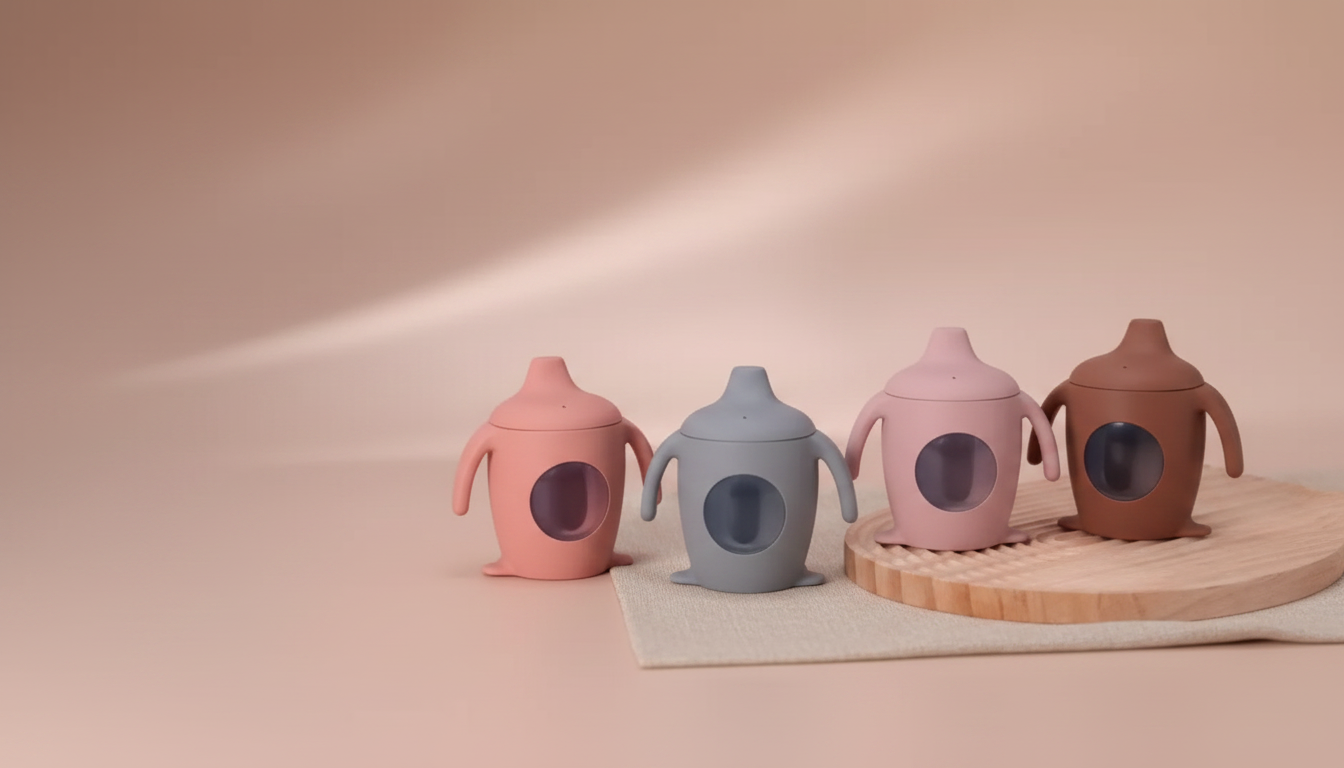
Penguin-Shaped Silicone Baby Sippy Cup
What should you look for before offering a cup?
Choose a cup intended for your child’s developmental stage, and make sure its lid, spout, straw, or other removable pieces are securely attached and cannot become a choking hazard. Follow the maker’s cleaning and temperature instructions, wash parts that touch drinks thoroughly, and replace the cup or affected parts if you find tears, cracks, or trapped residue.
Does the cup’s shape matter as much as its material?
A cup your child can comfortably grip and drink from is more useful than one selected by material alone, so consider its weight, drinking opening, and how easily you can take it apart for cleaning. Our Penguin-Shaped Silicone Baby Sippy Cup guide covers a silicone option; our team recommends weighing the same fit, condition, and care considerations with any cup you choose.
FAQ
Why are sippy cups no longer recommended?
Sippy cups are not universally discouraged, but prolonged reliance on certain spouts can make it harder to practice drinking from an open cup. You can offer an age-appropriate open cup with help and use a sippy cup when its spill control is useful, rather than treating it as the only way to drink.
See if Penguin-Shaped Silicone Baby Sippy Cup fits your setup









Leave a comment