Build a DIY Science Project Kit Kids Will Love
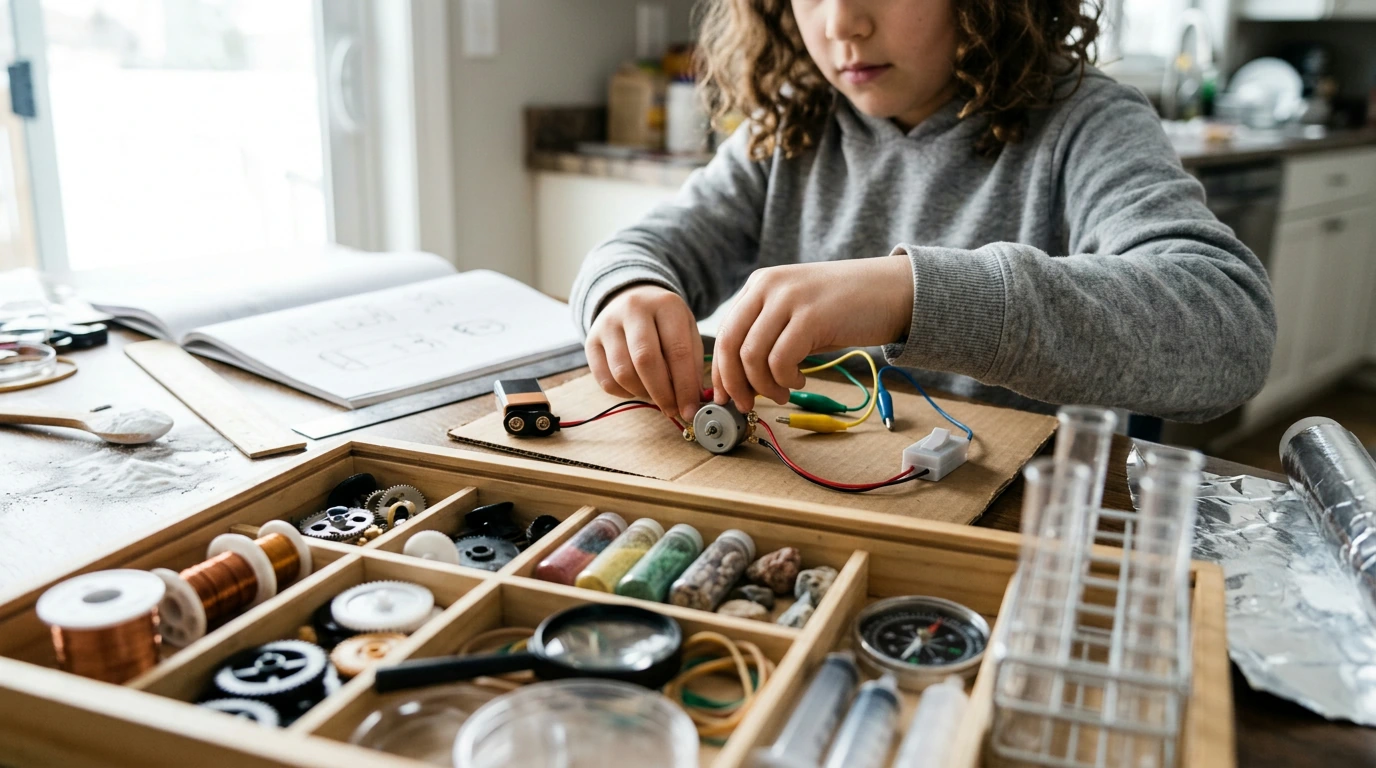
Can I make my own science project kit?
Yes. A homemade science project kit can be as simple as a small box of supplies, clear instructions, and a question to investigate. You can assemble one from items around the house or buy a few inexpensive materials. The best kits are organized around one activity, so kids can focus on testing an idea rather than searching for what they need.
Choose a project with a clear question
Start with something your child is curious about, then turn it into a question they can explore. For example: Which paper airplane design flies farthest? What happens to a shadow as a light moves? How can a model satellite stay in orbit around a planet? A focused question helps you select supplies and gives the activity a satisfying goal.
Gather and organize the supplies
Write down everything the project requires before putting the kit together. Depending on the activity, that might include paper, craft sticks, string, tape, a ruler, markers, or a small flashlight. Add a notebook or recording sheet for observations. Place the materials in a labeled box or reusable bag, and check that quantities are sufficient for each step.
Keep the activity age-appropriate. Avoid sharp tools, small parts for children who may put objects in their mouths, and materials that require adult-level handling. If a project involves scissors, batteries, or other tools, include a reminder that an adult should supervise.
Write simple instructions and make room to experiment
Break the directions into short steps, using words your child can follow. Include a quick setup, the main activity, and a prompt to record what happened. For a fair test, suggest changing one thing at a time while keeping other conditions as similar as possible. Then invite kids to adjust their design and try again; unexpected results are part of learning.
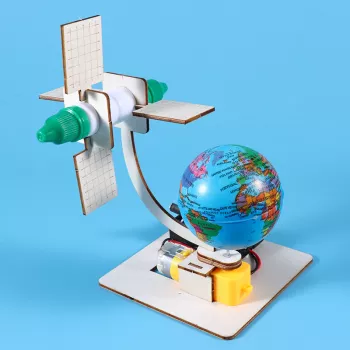
A kit does not need professional packaging to feel special. A hand-drawn label, a “mission” card, or a challenge to improve a model can make the project more engaging. For an example centered on space exploration, see the DIY orbiting satellite kit for kids mini mission guide.
FAQ
What materials are safe for a kids’ science project?
Choose age-appropriate, nontoxic household or craft materials, and check product labels before use. Have an adult supervise projects involving tools, batteries, small parts, or anything a child should not handle alone.








Leave a comment