Space-Saving Silicone Baby Bottle Drying Rack + Box

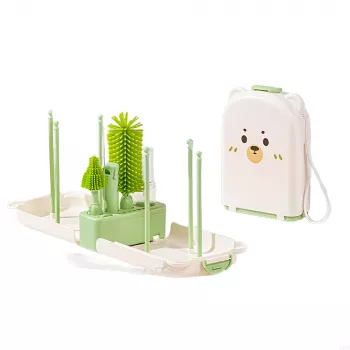
Baby Bottle Drying Rack – Space-Saving Silicone Organizer with Storage Box
A drying area that stays tidy makes daily bottle routines faster and more hygienic. A space-saving silicone drying rack with an enclosed storage box is built to keep bottle parts elevated for airflow, contain drips, and store essentials neatly between uses—especially helpful in compact kitchens, nursery stations, or travel setups where every inch counts.
What Makes a Drying Rack Work Better in Small Spaces
Small-space bottle routines usually break down for one simple reason: parts spread out faster than they dry. A better drying rack setup prioritizes vertical organization, easy cleanup, and a quick “reset” so the counter doesn’t stay in feeding-mode all day.
- Compact footprint that fits beside a sink, in a countertop corner, or on a rolling cart
- Vertical drying that uses height instead of covering a towel with parts
- Contained drip area to reduce water rings and countertop clutter
- Quick reset: place parts, let them dry, and store them without reorganizing the whole station
Design Highlights of a Silicone Organizer with Storage Box
Silicone drying posts and a covered storage box work as a single station: dry first, then keep clean pieces together until the next bottle or pumping session.
- Soft silicone posts help protect bottle nipples, collars, and pump parts from scratches and scuffs
- Raised placement encourages airflow around small components so moisture can evaporate more completely
- Storage box organization keeps clean items grouped together and reduces exposure to splashes and dust
- Drip management helps keep towels and counters drier and easier to wipe down
- One-station modular feel: drying + storage in one organizer to reduce the number of separate bins and mats
What It Can Hold: Bottle Parts and Everyday Feeding Essentials
A dedicated baby drying station isn’t only for bottle bodies. The biggest day-to-day benefit is keeping all the small pieces—especially the easy-to-lose ones—in a consistent “clean zone,” separate from general dishwashing items.
- Typical use includes bottles, nipples, rings/collars, caps, pacifiers, and small accessories
- Useful for breast pump components that need airflow between sterilizing and reassembly
- Keeps small parts from rolling away or getting mixed into utensils and dishes
- Helps maintain a clear divide between feeding gear and the rest of the kitchen dry rack
| Item type | Why it benefits from a dedicated drying station | Storage tip |
|---|---|---|
| Bottle bodies | Needs open-air drying to reduce leftover moisture | Stand upright after a quick shake to speed drying |
| Nipples & valves | Small crevices hold water droplets | Place on separate posts and avoid stacking |
| Rings/collars & caps | Often get misplaced when drying on towels | Group by set in the storage box |
| Pacifiers & teethers | Should stay off shared dish towels | Keep in the covered area after fully dry |
| Pump connectors/flanges | Multiple parts to track and reassemble | Use one section of the box per pumping session |
Hygiene and Safety Habits That Pair Well with a Drying Rack
A drying rack supports cleaner routines, but drying and storage habits still matter—especially for pieces that touch milk or formula. For step-by-step cleaning and sanitizing guidance, refer to the CDC’s recommendations for cleaning and sanitizing baby feeding items and practical feeding tips from the American Academy of Pediatrics (HealthyChildren.org).
- Allow parts to dry completely before placing them into enclosed storage to reduce trapped moisture
- Wipe the drip area regularly to prevent standing water buildup
- Keep the station away from raw-food prep zones and splash-prone areas of the sink
- Swap damp towels for wipeable surfaces where possible to reduce prolonged fabric moisture
- Follow bottle and pump manufacturer instructions for cleaning, sanitizing, and replacement schedules
Where It Fits Best: Sink-Side, Nursery Cart, or Travel Setup
This type of compact organizer works well anywhere bottles get assembled, not just in the kitchen. Setting up a predictable “clean spot” can be the difference between a calm routine and constant scavenger hunts for caps and valves.
- Sink-side on the counter: adds order while keeping parts elevated for airflow
- Nursery feeding cart: a dedicated baby station that stays separate from kitchen dishes
- Small apartment kitchens: reduces footprint compared with wide, flat drying racks
- Overnight prep: stage clean, dry parts for quicker middle-of-the-night bottles
- Short trips: a drying-and-storage combo helps keep essentials together in one place
Care and Cleaning for Silicone Drying Components
Keeping the rack itself clean is simple, but consistency helps prevent residue and hidden moisture—especially when pump parts are involved.
A Practical Pick for a Minimal, Organized Feeding Station
Featured Picks
- Baby Bottle Drying Rack – Space Saving Silicone Organizer with Storage Box
- Girls Knit Sweater Dress with Heart Print & Ruffle Collar
FAQ
Can bottle parts be stored in the box right after washing?
It’s best to let parts air-dry fully on the rack first. Storing damp pieces in an enclosed box can trap moisture and lead to odors; also make sure the drip area and the inside of the box are wiped dry before storing clean items.
Is silicone safe for baby bottle accessories?
Food-grade silicone is commonly used for baby products and is generally considered a safe material when made to the proper standard. Check the product details and follow care instructions, and note that softer silicone posts can be gentler on small parts than hard plastic pegs.
How often should the drying rack and storage box be cleaned?
A quick daily rinse or wipe-down of the drip area helps prevent standing water and residue. Wash the rack components regularly (every few days or weekly depending on use), and clean sooner if milk residue contacts the rack or box.









Leave a comment