Knit vs Purl (“Pearl”) Stitch: How to Spot Each
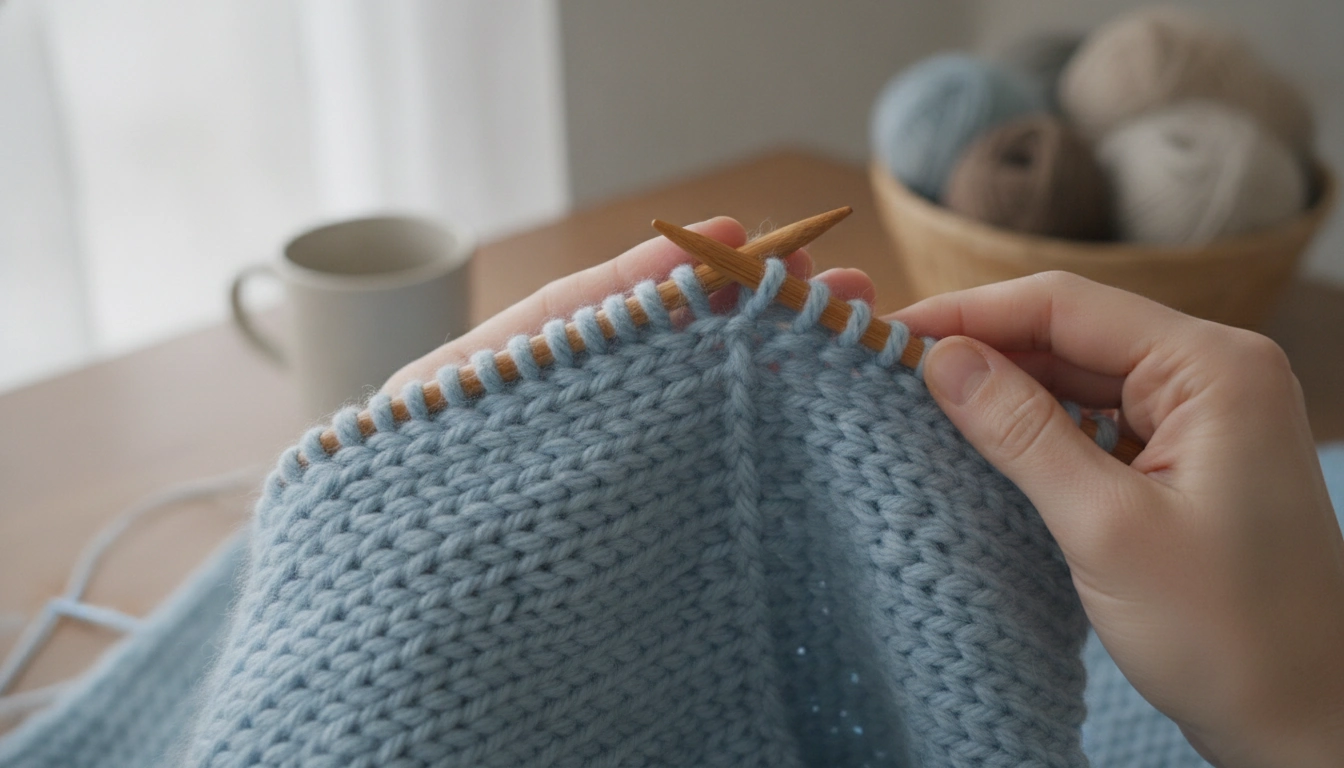
What do a knit stitch and a pearl stitch look like?
Knit and purl (sometimes misspelled as “pearl”) stitches are the two basic building blocks of most knitted fabric, and they’re easy to spot once you know what to look for. The difference shows up as distinct textures: one side looks like tidy “V” shapes, while the other looks like soft horizontal bumps.
What a knit stitch looks like
A knit stitch creates a smooth, flat surface made of little “V”s stacked in neat columns. When people picture classic sweater fabric, they’re usually picturing the knit side (also called the right side) of stockinette stitch. If you run your fingers over it, it tends to feel even and sleek compared to the bumpy side.
What a purl (“pearl”) stitch looks like
A purl stitch looks like a series of small ridges or bumps, lined up across the fabric in rows. Instead of “V” shapes, you’ll see tiny half-circles or horizontal nubs. This is the texture most associated with garter stitch (the look you get when every row is knitted back and forth), though garter is created by knitting every row, which alternates the visible side each row.
Quick way to tell them apart on clothing
If the fabric shows columns of “V”s, you’re looking at knit stitches. If it shows rows of bumps, you’re looking at purl stitches. Many garments use both textures for contrast—like ribbing at cuffs and hems, where knit and purl stitches alternate to create stretchy vertical ridges.
For a real-world example of how these textures can elevate an outfit—especially in cooler weather—see the styling ideas and details in this autumn red knit and pearl dress guide.
For Knit vs Purl (“Pearl”) Stitch: How to Spot Each, the best answer depends on fit, material, care instructions, and how the product will be used day to day.
FAQ
What is the difference between stockinette and garter stitch?
Stockinette has smooth “V”s on one side and purl bumps on the other. Garter stitch shows horizontal ridges on both sides because the fabric alternates which side is facing each row.









Leave a comment