Soft Cotton Waterproof Baby Bib With Catcher Pocket
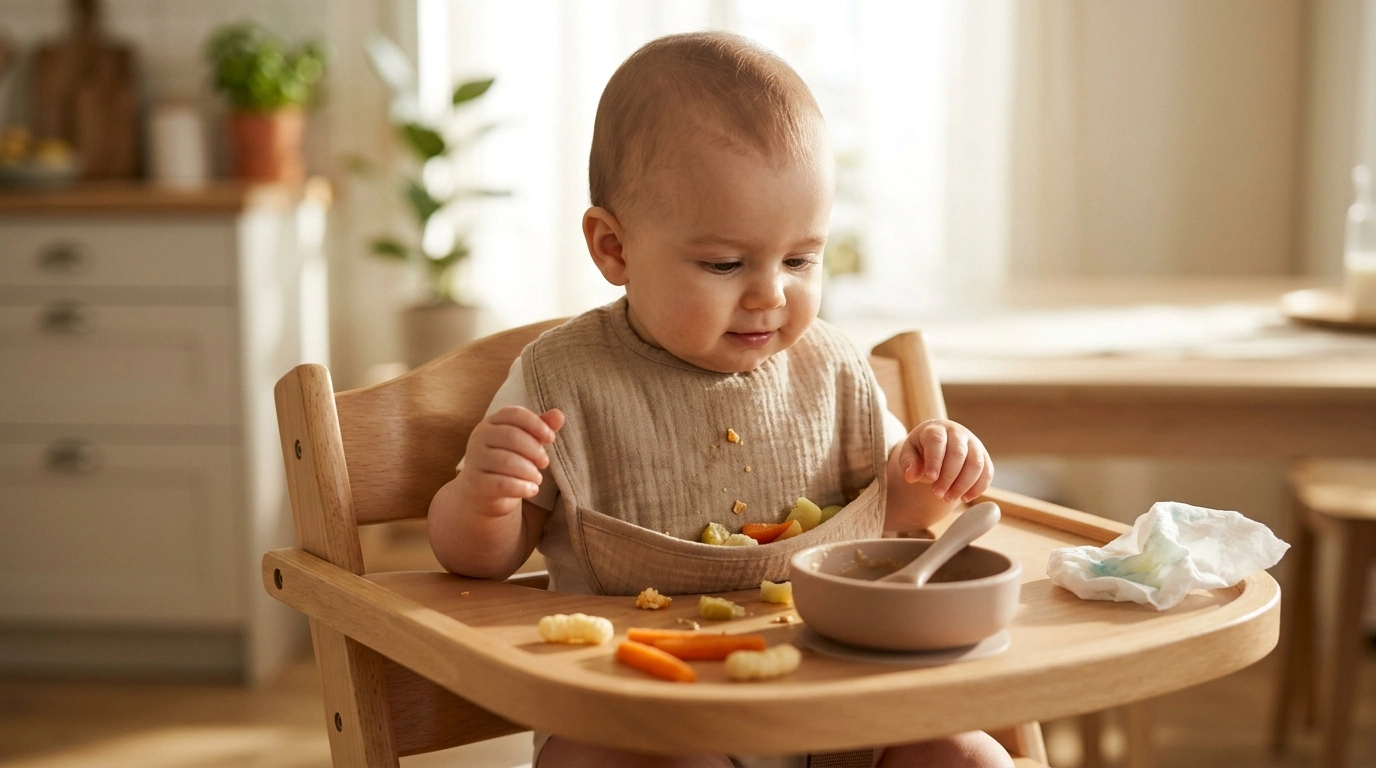
Soft Cotton Baby Bib with Waterproof Lining and Food Catcher Pocket
Mealtimes get messy fast—especially once purees, finger foods, and self-feeding begin. A bib that feels comfortable and actually helps manage spills can make daily feeding smoother, whether you’re at the high chair, in the car, or squeezing in a quick snack between errands. The Soft Cotton Baby Bib with Waterproof Lining and Food Catcher Pocket combines a soft cotton-facing feel with a moisture barrier and a practical pocket designed to catch the “misses” before they land on outfits, laps, and floors.
What makes this bib different at mealtime
Some bibs feel cozy but soak through quickly, while others block moisture but can feel stiff or plasticky. This style aims for a more balanced, everyday setup: comfortable where it touches skin, more protective where spills happen, and easier to manage when babies start exploring food with their hands.
- Soft cotton feel against sensitive skin for everyday comfort
- Waterproof lining helps block soak-through from drool, liquids, and thin purees
- Food catcher pocket helps trap crumbs and spills before they reach the lap
- Lightweight option that works for quick snacks, full meals, and travel
Soft cotton comfort for sensitive skin
Babies can be surprisingly opinionated about textures—especially around the neck and upper chest, where bibs sit close to delicate skin. A cotton-facing surface is designed to feel gentler and more familiar, which can help keep attention on eating rather than tugging at the bib.
- Cotton-facing fabric is designed to feel gentle at the neck and chest
- Comfort-forward bibs can help reduce fussiness during feeding sessions
- A soft surface is helpful during teething and drool-heavy phases
Waterproof lining that helps keep outfits dry
Drool, thin purees, and cup-practice dribbles can soak through lightweight bibs fast—leading to damp shirts and quick outfit changes. A water-resistant inner layer helps slow or stop that moisture from reaching clothing, giving you more time to wipe up before it spreads.
- Water-resistant inner layer is intended to slow or stop liquids from reaching clothing
- Useful for thin purees, soups, milk dribbles, and water sips during cup practice
- Helps minimize outfit changes during daycare runs, errands, and car trips
For day-to-day feeding, small habits help too: wipe spills promptly, and follow safe food handling basics—especially when prepping and storing baby foods. The CDC’s guidance on keeping food safe is a helpful reference for families: CDC — Food Safety for Families (Clean, Separate, Cook, Chill).
Food catcher pocket to reduce floor and lap mess
Once self-feeding starts, gravity becomes part of every meal. A catcher pocket gives those dropped bites somewhere to land, which can mean less sweeping under the high chair and fewer crumbs tucked into waistbands and seat buckles.
- Pocket catches falling bites, crumbs, and drips during self-feeding
- Helpful for finger foods like crackers, toast strips, soft fruit pieces, and rice puffs
- Can simplify cleanup by emptying the pocket into the trash or sink after meals
As finger foods become more common, keep choking prevention top of mind with appropriately sized pieces and close supervision. For a trusted refresher, see: American Academy of Pediatrics — Choking Prevention (HealthyChildren.org).
Fit, coverage, and everyday usability
A bib can have great materials, but it still needs to stay put during wiggly meals. Look for a secure closure that’s easy for adults to fasten quickly and comfortable around the neckline. Coverage also matters: you want enough protection over the chest without bunching up when baby leans forward.
- Look for a secure closure that stays in place during wiggly meals
- A comfortable neckline helps prevent rubbing while still protecting the chest area
- For growth stages, aim for coverage that works from early feeding through toddler snacks
- Consider keeping multiple bibs on hand for daycare bags, high-chair use, and diaper bags
If you like having a clean change of clothes ready after a particularly enthusiastic meal, a cozy outfit option can be useful in the rotation, such as the Girls Knit Sweater Dress with Heart Print & Ruffle Collar.
Care and cleaning tips
Fast cleanup is often the difference between an easy rinse and a stubborn stain. The goal is to remove residue before it dries and to protect the waterproof layer over time.
Safety notes for bib use
Quick specs and at-a-glance details
| Feature | What it does | Why it helps |
|---|---|---|
| Soft cotton outer | Feels gentle against skin | More comfortable wear during longer meals |
| Waterproof lining | Helps block moisture | Reduces soak-through to clothes |
| Food catcher pocket | Catches drips and crumbs | Less mess on laps and floors |
| Everyday mealtime use | Works for purees and finger foods | Useful from early feeding onward |
When this bib is most useful
For a simple, dependable feeding staple, see the Soft Cotton Baby Bib with Waterproof Lining and Food Catcher Pocket.
FAQ
Can this bib handle liquids and runny purees?
The waterproof lining is designed to help prevent soak-through from drool, liquids, and thin purees. For bigger spills, wiping promptly and cleaning according to the care guidance helps keep clothing drier and the bib performing well.
How do you clean a bib with a food catcher pocket?
Empty the pocket right after the meal, then rinse or wipe away residue before it dries. For strongly colored foods like tomato sauce or berries, a quick rinse soon after eating can help reduce staining before washing as directed.
Is it safe for babies to wear bibs for long periods?
Bibs are safest with active supervision during meals and should be removed right after eating. Avoid leaving bibs on during naps or sleep, and regularly check closures and seams for wear or loosening parts.






Leave a comment