Kids Holiday Gift Budget: Printable Plan to Prevent Overspend
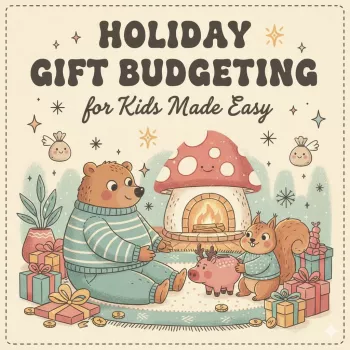
Holiday Gift Budgeting for Kids Made Easy: A Printable Plan Parents Can Stick To
Holiday gifting feels best when it’s joyful and predictable—without last-minute overspending. A clear plan helps you set expectations with kids, keep your totals visible, and protect the traditions that matter most (movie nights, baking days, light walks) from getting crowded out by “just one more” purchase.
Below is a practical, step-by-step approach you can start today—plus a simple printable option to keep everything in one place.
Start With Your “Whole Holiday” Number (Not Just Gifts)
Before you decide what each child gets, decide what the entire season can cost. Gifts don’t happen in a vacuum—shipping, travel, and school events can quietly steal the budget if they’re not counted.
- List every seasonal expense that competes with gifts: travel, hosting, cards, shipping, school events, charity, outfits, and decorations.
- Choose a single holiday spending cap for the household, then set a maximum portion for kids’ gifts.
- Decide what counts as a “gift” (stocking items, experiences, books, clothing) so categories don’t quietly double-spend.
- Pick a simple tracking method: one printable page on the fridge or a single note on the phone—consistency matters more than complexity.
If you want a reliable starting point for building a family budget, the Consumer Financial Protection Bureau’s budgeting resources are a helpful reference for setting a realistic cap and sticking to it.
Set Fair Budgets Per Child Without Making It Competitive
“Fair” doesn’t have to mean identical gifts. It means you pick a rule ahead of time—then follow it so no one feels like the budget is changing based on who asks loudest.
- Choose one fairness rule and stick to it: equal dollars per child, equal number of items, or a mix (base amount + age add-on).
- Account for different needs: a toddler may need fewer, lower-cost items; an older child may want fewer, higher-cost items.
- Avoid “surprise creep” by setting a small buffer (5–10%) for price changes, shipping, or one extra add-on item.
- If multiple adults buy gifts, agree on who buys what (parents vs. relatives) to prevent duplicates and overspending.
One practical approach: set a “base” amount for every child, then add a small age bump for older kids who typically want fewer but pricier items (games, electronics, hobby gear).
Use a Simple Gift Framework to Control Costs
Frameworks keep spending intentional by giving every purchase a “job.” You’re not buying random items—you’re filling planned slots.
- Try a structure that limits impulse buys: Want / Need / Wear / Read, or Something to Do / Something to Build / Something Cozy.
- Cap each category with a maximum amount so one “big” item doesn’t erase the rest of the plan.
- Add an “experience” line (movie night, zoo day, craft class) when space is tight or kids already have many toys.
- Plan stocking stuffers as a mini-budget, not an unlimited add-on.
Sample budget layout (adjust amounts to match your total)
| Child | Main gift cap | Supporting gifts cap | Stocking cap | Experience cap | Total |
|---|---|---|---|---|---|
| Child A | $60 | $30 | $15 | $20 | $125 |
| Child B | $60 | $30 | $15 | $20 | $125 |
| Child C | $60 | $30 | $15 | $20 | $125 |
Examples of how this looks in real shopping: a “Wear” gift could be something cozy and practical like the Girls Knit Sweater Dress with Heart Print & Ruffle Collar. A “main gift” might be a higher-ticket item you plan for well in advance, such as the High-Speed 1/8 Scale Monster Tank RC Car—the key is that it must fit the cap, not the other way around.
Build the List Before Buying Anything
A budget works best when you’re not “shopping to see what’s out there.” Build the plan first, then buy to match it.
If you’re considering a shared “family gift,” plan it like any other line item and decide whether it replaces individual main gifts or sits in a separate category. A ride-on option like the Kids’ 12V Ride On Land Rover with Remote Control and LED Lights can be memorable, but it’s easiest to manage when it’s chosen intentionally (and early).
Timing Strategy: Buy in Rounds to Prevent Overspending
Also, protect your budget from “checkout surprises.” Taxes, shipping, and last-minute add-ons are real. For general holiday shopping guidance—especially around scams, shipping claims, and common pitfalls—review the FTC’s holiday shopping advice.
Make Kids Part of the Plan (Without Stress or Negotiation)
Printable Planning Support to Keep Everything in One Place
If you’d like an all-in-one page set designed specifically for kids’ holiday gift planning, the Holiday Gift Budgeting for Kids Made Easy printable guide helps you set caps, list gift ideas, track actual spending, and keep a running total without juggling multiple apps or notes.
FAQ
How much should be budgeted for holiday gifts for each child?
Start with a family-wide holiday cap, then decide what portion is for kids’ gifts and divide it using a fairness rule (equal dollars, equal item count, or a base amount plus a small age add-on). Include a 5–10% buffer for tax, shipping, or price changes so you don’t have to “break” the plan at checkout.
How can overspending be prevented when shopping deals?
Only buy items that were already on your written list and assigned to a category with a cap. Update your running total immediately after every purchase, and shop in rounds (main gifts first, then supporting gifts, then stocking) so deals don’t turn into extra unplanned items.
What is a simple gift rule that keeps the holiday manageable?
Use a framework like Want/Need/Wear/Read (or Do/Build/Cozy) and set a maximum amount for each category. Add an optional “experience” line to balance the holiday without adding more clutter or blowing the total.








Leave a comment