Family Holiday Planning Checklist for Kids (Printable + Digital)
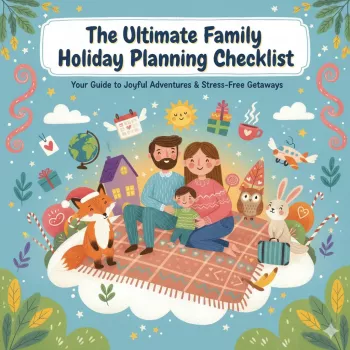
The Ultimate Family Holiday Planning Checklist (Printable + Digital Download)
Family holidays run smoother when the planning is shared, visible, and broken into small decisions. A checklist-style planner helps everyone see what’s happening next—without one person carrying the whole mental load. The goal isn’t a “perfect” trip; it’s calmer lead-up days, fewer surprises, and more flexibility once you arrive.
If you want a ready-to-use system you can print for the fridge and keep on your phone, try The Ultimate Family Holiday Planning Checklist (digital download) to track timelines, packing, documents, routines, and the inevitable “what if” moments.
Start With a Simple Trip Snapshot
Before diving into activities and packing, set a clear snapshot of the trip so small decisions don’t spiral. Start by confirming trip dates against school/daycare calendars, work time off, and any family events that could create friction. Then pick the travel style (road trip, flight, cruise, or staycation) and match it to kid-friendly pacing—fewer stops and longer stays usually win.
Next, outline a realistic daily rhythm: nap windows, meal times, and downtime. Kids handle adventure better when the basics stay predictable. Finally, assign roles so planning doesn’t land on one person: one adult handles bookings, another owns snacks/meds, another entertainment, another documents. Keep everything in one shared place: a printed copy on the fridge plus a digital version on a phone or tablet.
Kid-Friendly Planning Timeline
| When | What to decide | Family-friendly notes |
|---|---|---|
| 4–8 weeks out | Destination, budget, lodging, transportation | Prioritize walkability, laundry access, and a kitchen or mini-fridge when possible. |
| 2–4 weeks out | Activities, gear needs, childcare backups | Plan one “must-do” per day max; add buffer time for snacks and rest. |
| 1 week out | Packing lists, meds, documents, home prep | Do a quick clothing try-on for kids to avoid last-minute surprises. |
| 48 hours out | Confirm bookings, charge devices, pre-pack carry-ons | Set aside a travel outfit and a spare outfit per child in the day bag. |
| Travel day | Leave early, keep essentials reachable | Aim for “easy wins”: familiar snacks, comfort item, and a calm boarding/arrival plan. |
Budget and Bookings That Reduce Stress
A simple budget lowers decision fatigue. Break it into categories (transportation, lodging, food, activities, souvenirs) and add an emergency buffer for the realities of family travel: surprise pharmacy runs, extra baggage fees, or a last-minute taxi.
When booking lodging, prioritize real-life logistics over “pretty.” Separate sleeping space, elevator access, easy parking, and proximity to groceries can matter more than a fancy view. Confirm cancellation policies and check-in/check-out times, then write deposits and deadlines in one shared spot. For food, plan around kids: identify at least one “safe” restaurant and schedule a grocery stop early in the trip.
If flying, decide your seat strategy sooner rather than later (aisle access for bathroom trips, family seating, stroller rules). The TSA’s guidance for families can help you plan what to expect at security: TSA: Traveling with Children.
Documents, Health, and Safety Essentials
Family trips feel lighter when documents and health prep are handled early. Build a document checklist: IDs/passports, insurance cards, booking confirmations, and emergency contacts. If traveling internationally, verify passport validity rules and entry requirements well ahead of time, especially for minors: U.S. Department of State: International Travel With Minors.
Pack a small travel health kit: age-appropriate fever reducer, bandages, thermometer, allergy meds, and prescriptions. Add kid-specific safety notes: a recent photo of each child, a meeting-point plan, and a quick medical info card (allergies, meds, pediatrician contact). If you’ll be using a car seat, double-check airline policies, rideshare compatibility, and whether your destination transport supports your setup. For more health considerations, the CDC’s family travel page is a solid reference: CDC: Traveling with Children.
Packing Systems That Actually Work With Kids
Instead of packing “more,” pack in a way that prevents rummaging. A capsule approach works well: mix-and-match outfits with layers, plus a realistic plan for spills and weather swings. For kids, packing by day or by outfit in labeled bags reduces chaos when you’re in a small hotel room or pulling over on a road trip.
For an easy travel outfit that’s photo-ready but still comfortable, consider packing a cozy layer like the Girls Knit Sweater Dress with Heart Print & Ruffle Collar. And for downtime at a rental or visiting relatives, a “new-to-them” activity can be a lifesaver—something like the High-Speed 1/8 Scale Monster Tank RC Car can turn an afternoon lull into an easy win.
Travel-Day Flow: Calm Departures and Smoother Transitions
Printable Planner Pages to Keep Everyone on the Same Page
Common Kid-Travel Curveballs (and Quick Fixes)
FAQ
What should always be in a family travel carry-on?
Bring essentials to cover 6–12 hours: wipes, snacks, a refillable water bottle plan, spare outfits for each child (and at least one spare shirt for an adult), basic meds, chargers, a comfort item, and one quiet activity per child. Keep documents and a small spill kit within easy reach.
How far in advance should a family holiday be planned?
A practical timeline is 4–8 weeks out for destination and core bookings, 2–4 weeks for activities and gear needs, 1 week for packing and confirmations, and 48 hours for final prep. Add extra lead time for peak seasons, international trips, or passports.
Is a printable planner better than using notes on a phone?
Printable pages are easier to share and keep visible (like on the fridge), while a phone version is best for quick edits and access on the go. Many families find the combination works best: print for visibility, digital for flexibility.







Leave a comment