RC Fighter Jet Cost Guide: Foam, EDF & Turbine Prices
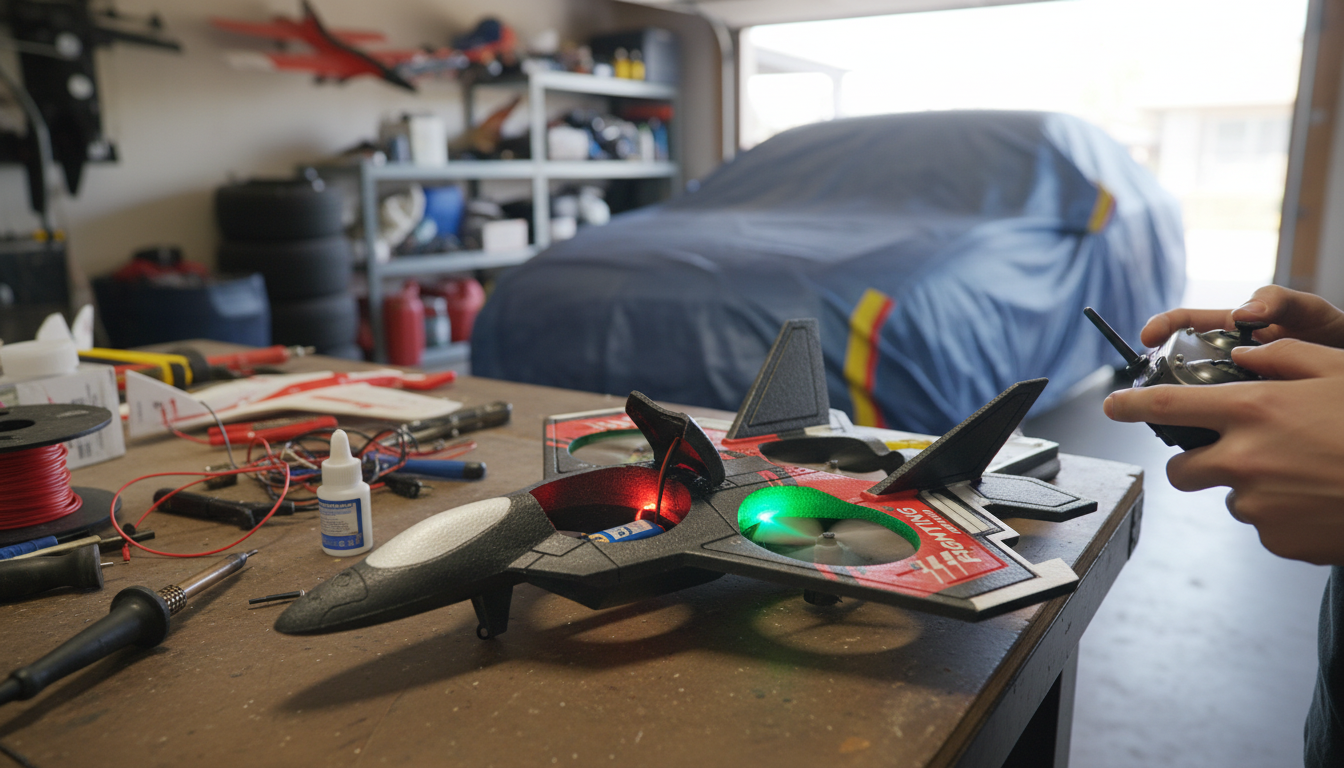
How much does an RC fighter jet cost?
RC fighter jet prices vary widely because “fighter jet” can describe everything from a lightweight foam EDF-style jet to a large, composite turbine model built for expert pilots. Most shoppers will land in one of three broad price bands: entry-level foam jets, mid-range EDF jets with better electronics, and high-end turbine jets that approach true scale performance.
Typical price ranges
Budget foam jets: roughly $50–$150. These are usually smaller, more forgiving models made for casual flying, with simpler power systems and lighter airframes.
Mid-range EDF (electric ducted fan) jets: about $150–$600. This is where improved speed and handling show up, often paired with better radios, stabilization options, and more robust components.
Premium EDF and large-scale builds: around $600–$2,000+. Bigger airframes, higher-quality materials, and advanced electronics drive costs up quickly.
Turbine RC jets: commonly $3,000–$15,000+ once fully equipped. The airframe is only part of the bill—turbine, retracts, radio gear, and safety equipment add up fast.
What changes the price the most?
The biggest cost drivers are size and power system (simple prop vs. EDF vs. turbine), included electronics (receiver, gyro stabilization, camera), build materials (foam vs. composite), and whether you’re buying a ready-to-fly package or sourcing batteries, charger, and transmitter separately.
Choosing a good value model
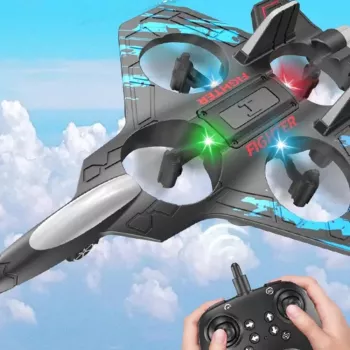
If the goal is exciting jet-style flying without a steep learning curve, a 2.4GHz foam jet can be a cost-effective sweet spot—especially if it supports easy stunts and stable handling. For a closer look at a beginner-friendly option, visit this guide to a 2.4GHz RC foam jet with camera and easy stunt rolls.
For RC Fighter Jet Cost Guide: Foam, EDF & Turbine Prices, the best answer depends on fit, material, care instructions, and how the product will be used day to day.
FAQ
What should I budget for batteries, a charger, and a controller?
Plan on $40–$150 extra for a battery (or two), a safe balance charger, and a transmitter if they aren’t included. Higher-capacity batteries and better chargers cost more but improve runtime and reliability.










Leave a comment