Lightweight Toddler Balance Bike (2–5): Adjustable, No Pedals
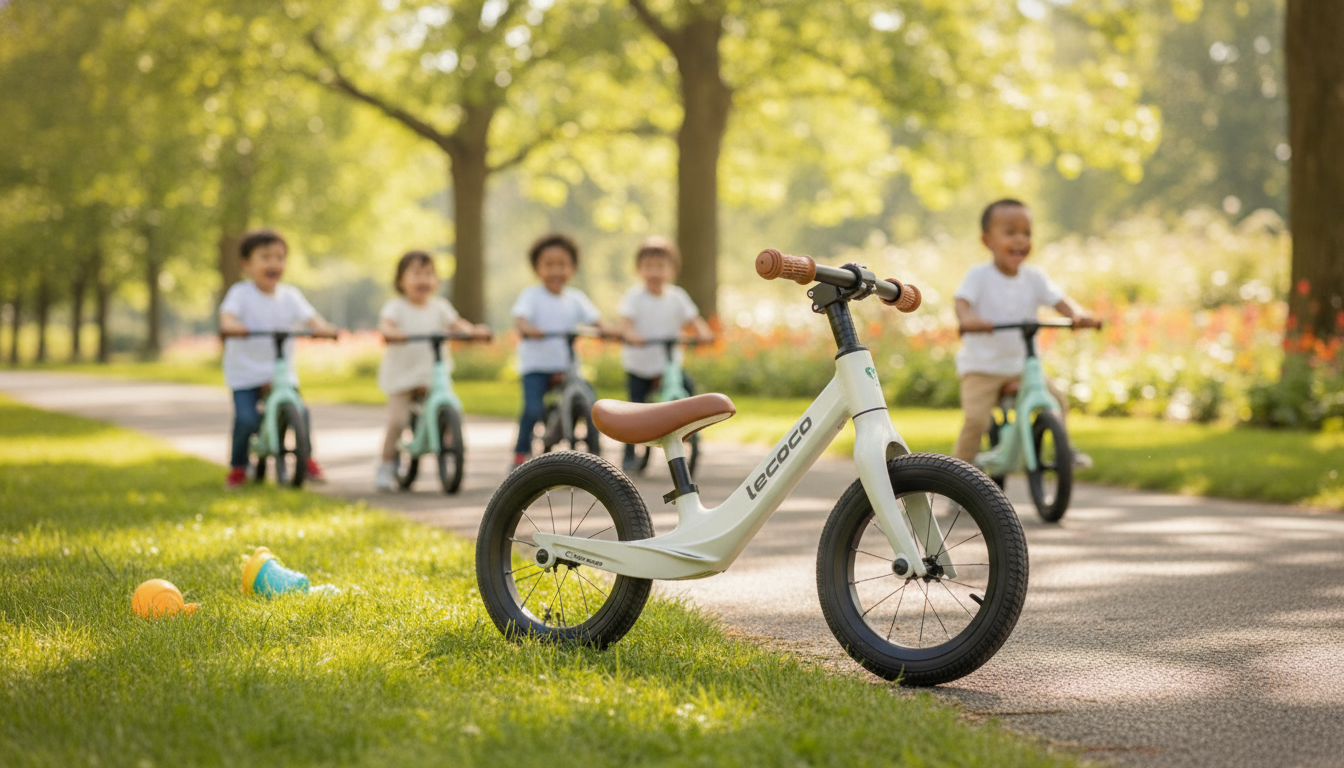
Lightweight Balance Training Bike for Toddlers (2–5 Years) With Adjustable Fit and No-Pedal Design
A balance bike is one of the simplest ways to help toddlers learn the “big” bike skills early—steering, coordination, and confidence—without asking them to master pedaling at the same time. For kids around ages 2–5, a lightweight, no-pedal design makes practice feel natural: they push, glide, and catch themselves with their feet, all while staying close to the ground. Below is a practical guide to choosing and using a toddler balance bike with an adjustable fit, plus everyday tips that make riding more fun for kids and easier on caregivers.
Why a no-pedal balance bike works so well for ages 2–5
No-pedal balance bikes teach the core skill first: balance. Instead of focusing on pedaling mechanics, toddlers learn how to keep their body upright while the wheels roll, and that skill transfers directly to a future pedal bike.
- Encourages natural balance and upright posture by letting kids push, glide, and “save” themselves with their feet.
- Builds steering control and spatial awareness without the added complexity of pedals and a chain drive.
- Often shortens the transition time to a standard pedal bike because balance comes first.
- Gives toddlers a sense of independence while keeping speed manageable and parent-friendly.
Fit first: getting the right height and adjustability
The fastest way to make a balance bike feel safe is getting the seat height right. When toddlers can place their feet flat on the ground while seated (with a slight bend in the knees), they can start, stop, and stabilize without panic. That “I can catch myself” feeling is what builds confidence session after session.
Adjustability matters because ages 2 to 5 can include major growth spurts. A bike with an adjustable seat and handlebar can stay in rotation longer—across multiple seasons—without forcing a premature upgrade. Also pay attention to how the adjustments lock in place: quick-release clamps are convenient, but they must hold tight after repeated bumps and curb rolls; bolt-style clamps can be slower but very secure when properly tightened.
Quick fit check for toddler balance bikes
| Child sizing check | What to look for | Why it matters |
|---|---|---|
| Inseam vs. seat | Feet flat with slight knee bend at seated position | Stable starts, safer stops, faster confidence |
| Handlebar reach | Elbows slightly bent; shoulders relaxed | Better steering control and comfort |
| Growth room | Noticeable adjustment range in seat/handlebar | Longer usable life from age 2 to 5 |
| Weight limit | Meets or exceeds child’s current and near-future weight | Prevents wobble and premature wear |
If you’re between sizes, prioritize a lower minimum seat height so your child can start earlier and progress comfortably. Handlebar height can be refined after the seat is correct, but seat height is the foundation.








Leave a comment