Unisex Baby Long Sleeve Romper: Fit, Layers & Care
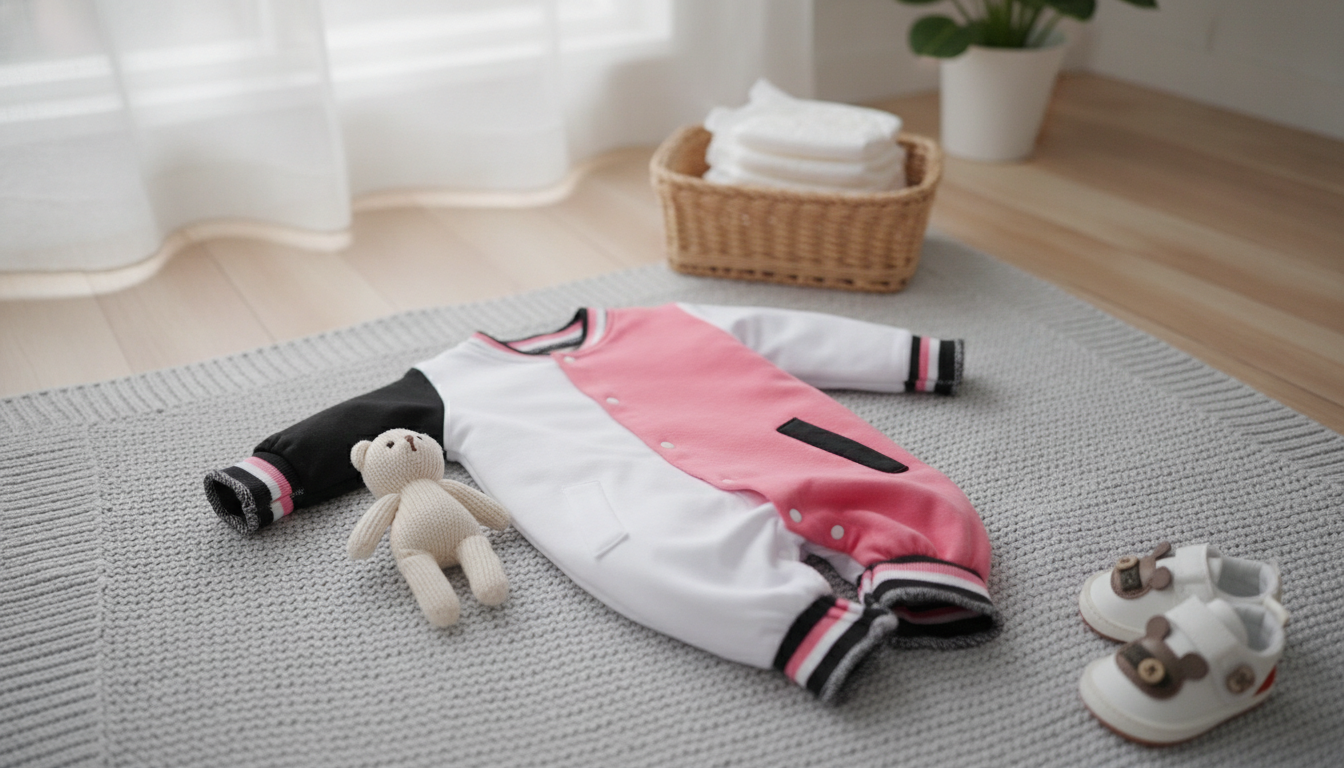
Unisex Baby Long Sleeve Romper: Cozy Coverage for Everyday Play and Sleep
A long sleeve romper is a simple, one-piece staple that keeps babies comfortably covered while making changes and layering easier. This unisex style works well for everyday wear, naps, stroller walks, and cooler rooms—especially when soft fabric, practical closures, and a baby-friendly fit are prioritized.
What a Long Sleeve Romper Is (and When It’s Most Useful)
A long sleeve romper is a one-piece outfit designed to cover baby’s torso and arms, typically with snaps at the crotch for quick diaper access. It’s a reliable option when short sleeves feel too chilly—like in air-conditioned homes, during evening wind-down, or on cooler-weather errands.
Because it’s one piece, it can reduce bunching at the waist compared with separate tops and bottoms (especially for active babies who kick, roll, crawl, or get carried often). It also layers easily as a base under pants, leggings, sleep sacks, cardigans, or jackets, which helps you adjust warmth without changing the entire outfit.
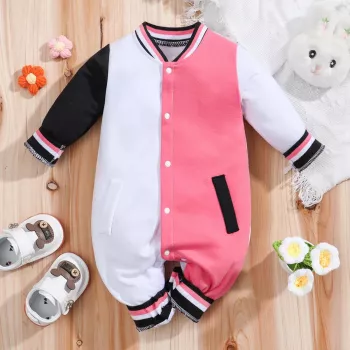
For a simple everyday pick, see the Unisex Baby Long Sleeve Romper—a practical, mix-and-match choice that works across seasons with the right layers.
Comfort and Fit: What to Look For
Comfort comes down to small details that matter all day: an easy neckline, enough diaper room, sleeves that actually fit, and fabric that moves with your baby. A neckline that’s flexible (without being loose) can make dressing calmer, while room through the seat helps prevent “tight after a fresh diaper” discomfort.
Check sleeve length, too. Sleeves should cover wrists without swallowing hands or folding into thick bunches that rub. Gentle stretch supports crawling, kicking, and being held without the fabric pulling at the shoulders. If you plan to layer, a slightly relaxed fit can prevent bulk—especially under pants or a sweater.
| Feature | Why it matters | What to check |
|---|---|---|
| Diaper room | Prevents tightness and red marks | Extra space in the seat; snaps close without pulling |
| Neckline | Easier dressing and less fussing | Wide or flexible opening; smooth edge |
| Sleeve length | Warmth without irritation | Covers wrist; minimal bunching |
| Stretch and recovery | Comfort during movement | Fabric stretches gently and returns to shape |
| Snaps/closures | Faster changes | Secure, aligned snaps; no sharp edges |
Materials and Skin Friendliness
Babies spend a lot of time in their clothes—so fabric feel matters. Soft, breathable materials are generally more comfortable for long wear and can help reduce overheating during naps or contact naps. If your baby has sensitive skin, look for smooth textures, soft seams, and minimal interior tags that can scratch or create pressure points.
Darker dyes and heavy prints can sometimes feel stiffer, depending on the finishing process, so it’s worth doing a quick “inside feel” check after washing: the interior should stay soft against skin. If irritation comes up often, simplifying the routine can help—mild detergent, fewer layers, and softer basics.
Care labels can also guide you on how to keep fabrics gentle and in good shape. The FTC’s guidance on clothing care labels is a helpful reference for understanding what those symbols and instructions mean: FTC — Care Labeling Rule (How to Read Clothing Care Labels).
Diaper Changes: Closures That Save Time
Crotch snaps are a big reason long sleeve rompers stay in heavy rotation. They let you change diapers without fully undressing your baby—especially useful when the room is cool or you’re doing a quick change before heading out.
More snap points can improve fit and help keep the garment aligned, though fewer snaps may feel faster when you’re changing a wiggly baby. Either way, it’s smart to check that snaps line up neatly and stay secure after washing. For overnight use, a romper can pair well with an easy outer layer like a wearable blanket, so you can keep baby warm while still keeping changes manageable.
For safe-sleep best practices, review guidance from trusted sources like the American Academy of Pediatrics — Safe Sleep Recommendations and the CPSC Safe Sleep guidance.
Layering Ideas for Different Temperatures
A long sleeve romper is easy to adapt across climates and indoor temperature swings. The goal is flexible warmth without bulky, restrictive layers.
- Cool indoor rooms: romper + socks + lightweight pants or leggings.
- Chilly outings: romper + sweater or jacket + warm hat; add a blanket for stroller rides.
- Mild days: romper alone may be enough, especially if your baby runs warm.
- Sleep setup: romper under a wearable blanket; avoid loose blankets in the sleep space.
If you’re building a cute “outfit moment” for a family gathering, a cozy knit layer can complement simple basics. The Girls Knit Sweater Dress with Heart Print & Ruffle Collar is a sweet, seasonal option that pairs well with tights or leggings for cooler days.
Care Tips to Keep It Soft and Long-Lasting
Long sleeve rompers tend to get washed often, so a few small habits can help them stay soft and keep their shape. Washing before first wear can remove residual finishes and often makes fabric feel more comfortable right away. If skin sensitivity is a concern, a gentle, fragrance-free detergent can reduce the chance of irritation.
A Simple, Giftable Essential
FAQ
Can a baby sleep in a long sleeve romper?
Yes, as long as the room temperature and layers are appropriate. If extra warmth is needed, pair it with a wearable blanket and avoid loose blankets in the sleep space.
How many long sleeve rompers are useful to have?
A small rotation helps with frequent outfit changes from spit-up, teething, or daycare. The ideal number depends on how often laundry gets done and how quickly your baby goes through outfits.
Should a romper fit snug or loose?
It should feel comfortable with full range of motion and enough diaper room. Avoid tight pressure at the thighs or shoulders, and make sure snaps don’t pull open when baby moves.









Leave a comment