Sporty Non-Slip Rubber Baby Shoes for First Walkers
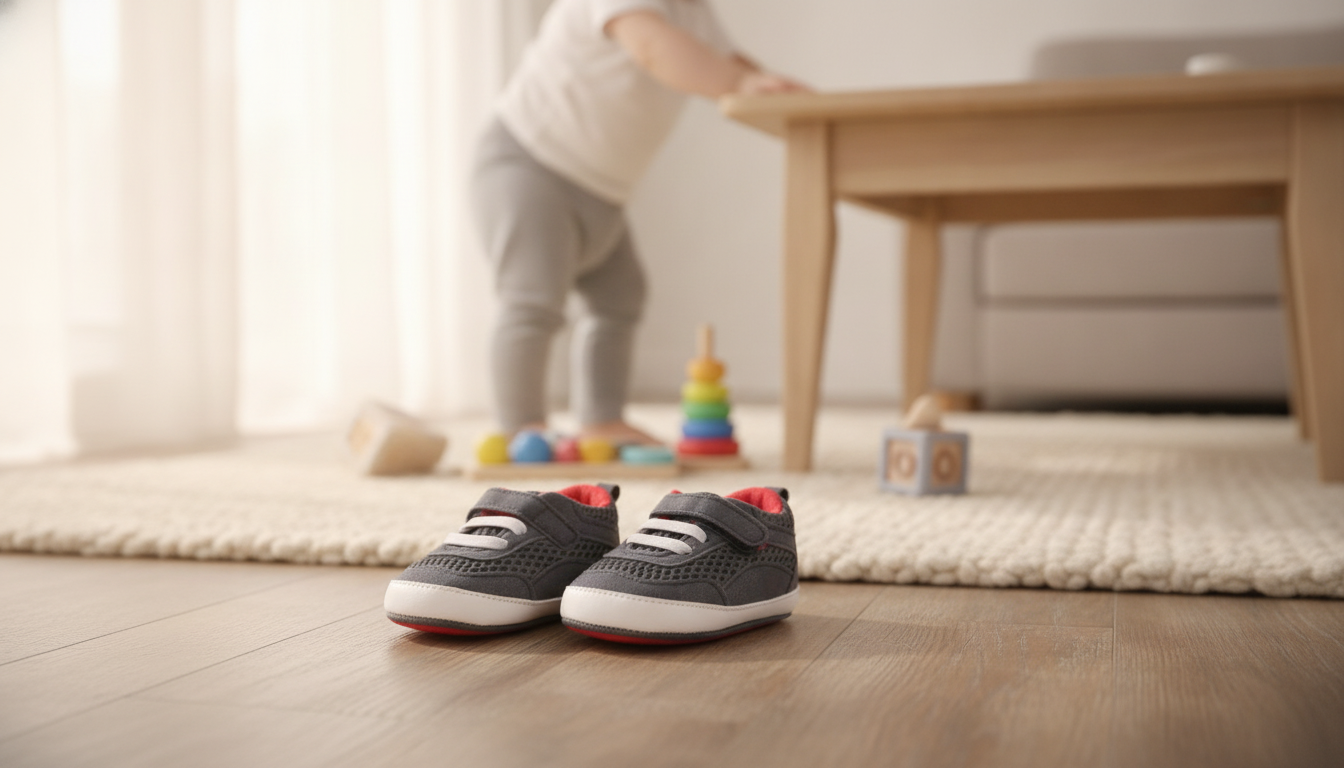
Classic Sporty Non-Slip Rubber Baby Shoes for First Walkers
First steps need steady traction, gentle support, and an easy-on fit. These classic sporty baby shoes pair a grippy rubber sole with a lightweight feel, helping little walkers move confidently across smooth floors, play mats, and everyday indoor surfaces. The goal isn’t to “train” a perfect stride—it’s to give new movers enough grip and comfort to practice standing, cruising, and taking those wobbly first steps with less slipping and less fuss.
What Makes a Good First-Walker Shoe
Early walking is a balance experiment. A good first-walker shoe supports that learning without getting in the way.
- Flexible sole: The shoe should bend with the foot (especially at the ball) rather than forcing a stiff, clompy stride.
- Non-slip tread: Traction matters on tile, wood, laminate, and other slick indoor surfaces where socks can slide.
- Roomy toe area: Toes need space to spread naturally for balance and comfort.
- Lightweight build: Heavy shoes can tire small legs quickly and discourage practice.
- Secure fit: A snug collar or reliable closure helps keep the shoe from twisting or slipping off mid-step.
For additional guidance on healthy footwear habits, sources like the American Academy of Pediatrics and the American Podiatric Medical Association offer helpful general tips for children’s foot health.
Classic Sporty Style Non-Slip Rubber Baby Shoes: Highlights
When you’re shopping for first-walker shoes, simple features often make the biggest difference day to day. This sporty pair is designed to be an easy, practical option for quick transitions and frequent wear.
- Sporty everyday style: A classic look that pairs easily with leggings, joggers, and onesies.
- Rubber outsole for traction: Helps reduce slips during early standing, cruising, and short practice walks.
- Soft upper feel: Aims for comfort during the “on/off all day” stage.
- Quick on-and-off: Helpful for diaper changes, daycare drop-offs, and car-seat stops.
- Budget-friendly: Great for fast-growing feet when sizing changes quickly.
At-a-glance checklist for first-walker needs
| Feature | Why it matters for early walkers | What to check at home |
|---|---|---|
| Non-slip rubber sole | Improves grip on smooth indoor surfaces | Try a slow walk on tile/wood and look for reduced sliding |
| Flexibility | Supports natural foot motion and balance | Sole should bend at the ball of the foot with gentle pressure |
| Toe room | Helps stability and comfort | Baby should be able to wiggle toes; no pinching at the front |
| Secure fit | Prevents tripping from loose shoes | Heel shouldn’t lift excessively; shoe shouldn’t twist easily |
| Lightweight feel | Encourages more practice steps | If it feels heavy in hand, it may feel heavy on-foot |
Shop in-stock favorites
If you’re ready to outfit a new walker (or refresh a daycare pair), these in-stock picks are easy to mix into everyday routines:
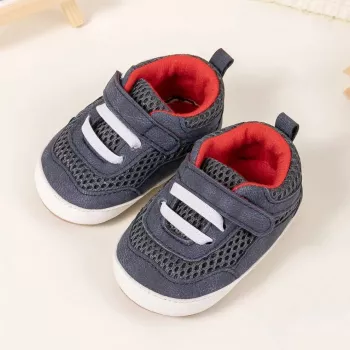
- Classic Sporty Style Non-Slip Rubber Baby Shoes for First Walkers ($9.01)
- Girls Knit Sweater Dress with Heart Print & Ruffle Collar ($18.97)
Sizing and Fit Tips for Tiny Feet
Fit matters as much as traction. A shoe that’s too big can trip; too small can pinch and discourage walking.
- Measure both feet: Choose the size that fits the longer foot.
- Check fit while standing: With support, let your baby bear gentle weight—feet spread under load.
- Leave a little growing room: Aim for about a fingertip of space at the toe without letting the shoe flop.
- Focus on heel and midfoot security: Too much heel slip can make new walkers stumble.
- Recheck often: Early walker sizes can change quickly, so reassess every few weeks.
A quick home test: after putting the shoes on, gently try to twist the shoe at the heel. A secure fit won’t rotate easily, and the heel shouldn’t pop up dramatically with each step.
Where These Shoes Shine: Everyday First-Walker Scenarios
Not every shoe is meant for long outdoor adventures, and that’s okay. Many families need a reliable “daily driver” for indoor practice and quick outings.
- Indoor play: Living room laps, playroom cruising, and supervised practice steps on smooth surfaces.
- Daycare and playdates: Easy on/off helps keep transitions smooth when shoes come on and off multiple times.
- Errands and quick stops: Helpful grip for indoor public spaces (stores, libraries) and short walks from car to door.
- Cooler floors: Rubber soles add a barrier between little feet and chilly tile or laminate.
For many first walkers, a grippy indoor shoe becomes the “confidence pair”—the one they can stand up in without sliding, so they’re more willing to try again and again.
Safety and Comfort Checks Before Each Wear
Small, consistent checks can prevent most early-walker shoe issues.
Care and Cleaning
If You’re Also Shopping for Outfits
If you’re building a cute, practical look, a cozy dress like the Girls Knit Sweater Dress with Heart Print & Ruffle Collar can pair nicely with classic sporty shoes for comfortable movement.
FAQ
Are non-slip rubber soles good for first walkers?
Yes—non-slip rubber soles can improve traction on smooth floors where early walkers often slip. Flexibility still matters, so look for a sole that bends at the ball of the foot. To confirm grip, check for defined tread and keep the sole clean and dry.
How should first-walker shoes fit?
They should feel secure at the heel and midfoot with enough toe room for wiggling—about a fingertip of space at the front is a common guideline. Measure both feet and fit to the longer foot, then check the fit while your baby is standing with support. Recheck sizing often since growth can happen quickly.
Can babies wear these shoes outside?
They can work for short outings, especially on smooth, dry surfaces, but they typically shine indoors and during quick transitions. For rough, wet, or uneven ground, supervise closely and consider a more protective outdoor style for better coverage and durability.






Leave a comment