Brain Boosters for Kids: Uses for Focus, Memory & Mood
What are brain boosters used for?
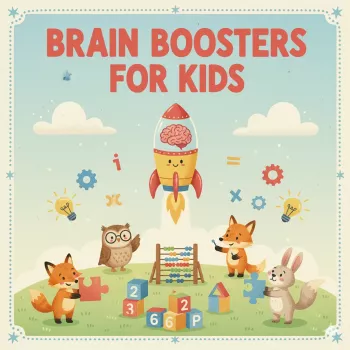
“Brain boosters” is a broad term people use for tools that support thinking, learning, and self-regulation. They’re used to strengthen skills like attention, memory, problem-solving, language development, and emotional control—often through routines, play, nutrition, sleep, and (when appropriate) supplements under professional guidance.
Common ways brain boosters are used
To support focus and attention
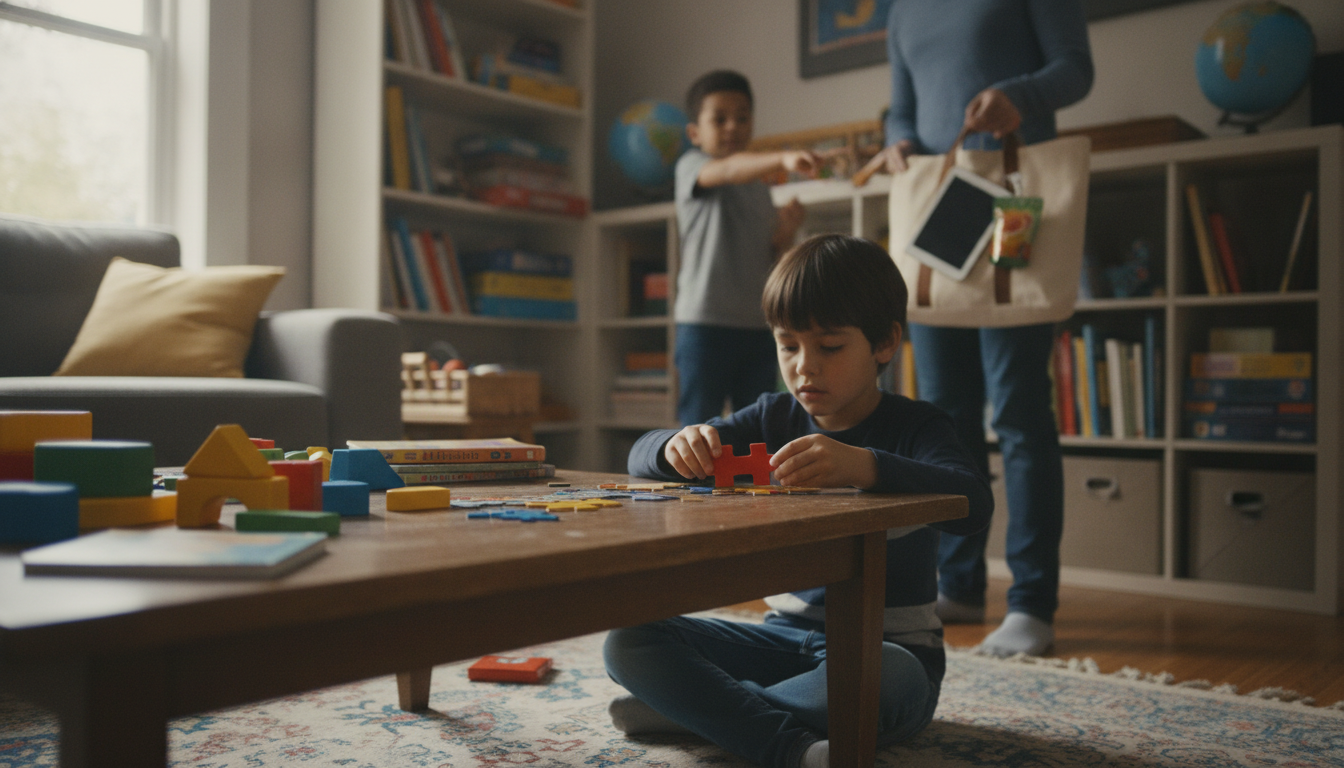
Many families use brain-boosting strategies to help kids concentrate longer and shift attention more smoothly. This can include movement breaks, sensory-friendly routines, and games that practice sustained attention (like “I Spy,” puzzles, or timed matching games).
To build memory and learning skills
Brain boosters are often used to reinforce working memory and recall—skills tied to following multi-step directions, learning new words, and retaining school lessons. Activities like storytelling, card games, music practice, and repetition with variation can make memory practice feel like play.
To improve mood, stress resilience, and self-control
Emotional regulation is a major reason parents look for brain boosters. Calming habits—consistent sleep schedules, mindful breathing, outdoor time, and predictable routines—can help kids manage big feelings and bounce back faster from frustration.
To support healthy brain development through lifestyle
Some of the most effective “boosters” are basic but powerful: quality sleep, balanced meals, hydration, and regular physical activity. These support neurotransmitters, energy levels, and the ability to learn without relying on quick fixes.
To guide safe, age-appropriate choices
In some contexts, “brain boosters” may refer to supplements or nootropic products. For kids, these should be approached cautiously and discussed with a pediatrician, especially if a child takes medications or has health conditions.
For practical, kid-friendly ideas—games, habits, and safety considerations—see the full guide here: Brain Boosters for Kids: Games, Habits, and Safe Support.
FAQ
What are some safe brain-boosting activities for kids?
Puzzles, memory matching games, reading together, pretend play, music, and outdoor movement are solid options that strengthen attention and learning without adding risk. Keeping sessions short and upbeat helps kids benefit without feeling pressured.








Leave a comment