Kids’ LED Light-Up Bike: 3 Modes, Unisex Style Guide
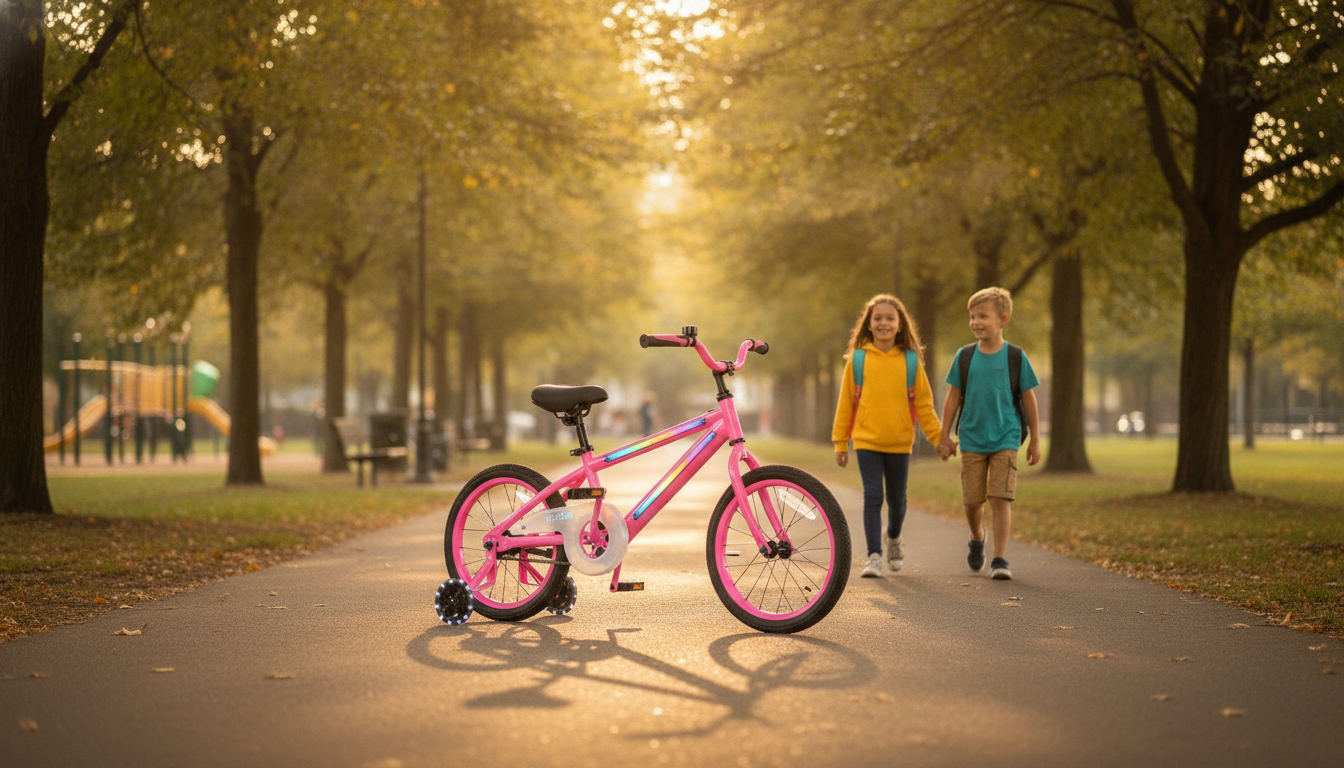
Kids’ Light-Up Bike with LED Frame: 3 Modes and a Unisex Look for Evening Rides
A light-up frame adds visibility and excitement to everyday bike rides—especially when daylight fades early. A kids’ bike with an LED-lit frame can help supervising adults keep track of a rider at the park loop, in a cul-de-sac, or on a shaded path where contrast drops fast. Below is a practical guide to what an LED frame does (and doesn’t) do, how the three lighting modes tend to get used in real life, and what to check so the bike feels comfortable and confidence-building for a wide range of kids.
Why an LED Frame Can Be a Smart Choice for Kids
- Helps a child stand out to nearby pedestrians and supervising adults during dusk, overcast days, or shaded paths.
- Adds a “fun factor” that can motivate more frequent riding and practice time—especially for kids still building balance and braking habits.
- Creates a clear visual outline of the bike, which can make following a child easier in busy parks or neighborhood loops.
- Works best as a visibility aid—not a replacement for reflectors, proper lighting, and adult supervision.
For broader safety guidance, it’s worth reviewing official recommendations from the U.S. Consumer Product Safety Commission (CPSC) and NHTSA bicycle safety resources, which cover helmets, rules of the road, and visibility basics.
Understanding the 3 Lighting Modes (How Kids Actually Use Them)
Three modes sound simple, but families tend to assign each one a purpose. The best results come from choosing a default mode for routine rides and saving the “fun” setting for special moments.
- Steady mode: a consistent glow that can be easier on the eyes and useful for calm neighborhood riding.
- Blinking mode: draws attention quickly in areas with other people moving around (walkers, dogs, scooters).
- Pulse/alternate mode: a playful option that still improves visibility during group rides or short evening loops.
- Tip for parents: pick one “default mode” for regular rides so kids build a habit and don’t forget to turn the lights on.
| Mode | Best for | What to watch for |
|---|---|---|
| Steady | Early evening rides, quieter streets | Battery may drain faster than a slow blink |
| Blink | Busy sidewalks, crossings, group rides | Very fast blinking can be distracting for some kids |
| Pulse/Alternate | Playful visibility, short rides, events | Make sure the pattern is still noticeable at a distance |
Unisex Design: Fit and Style That Works for More Kids
A unisex look can be surprisingly practical. Neutral styling makes it easier to share the bike between siblings, hand it down, or pair it with whatever helmet and accessories the child already loves.
- Neutral styling makes it easier to hand the bike down to siblings or share across households.
- A balanced look pairs well with a wide range of helmets, baskets, bells, and reflectors.
- Focus on comfort and sizing over color themes: a confident rider usually comes from a good fit and predictable handling.
In day-to-day use, the “best-looking” bike is often the one that encourages steady practice—smooth starts, calm braking, and consistent scanning at driveways and corners.
What to Check Before Buying (Quick Pre-Ride Priorities)
LEDs add visibility, but comfort and control are what make a child want to ride again tomorrow. Before ordering, prioritize sizing and the parts a child touches constantly: saddle height, handlebar reach, and brake levers.
| Checkpoint | Why it matters | Simple at-home test |
|---|---|---|
| Stand-over comfort | Reduces bumps and helps confidence | Child stands over top tube with a little clearance |
| Reach to handlebars | Better control and less fatigue | Elbows slightly bent, shoulders relaxed |
| Brake reach | Stopping power without panic | Child can squeeze levers smoothly without shifting grip |
| Helmet fit | Head protection on every ride | Helmet sits level; straps form a “V” around ears |
Everyday Use Ideas: Making Evening Rides Safer and More Fun
For more family-friendly tips on teaching safe habits, Safe Kids Worldwide bike safety guidance is a helpful reference for helmets, rules, and practice ideas.
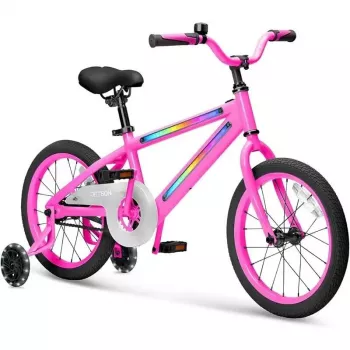
Featured Option: Kids’ Light-Up Bike with LED Frame and 3 Modes
Shop In-Stock Picks
- Kids’ Light-Up Bike: LED Frame with 3 Modes – Unisex Design
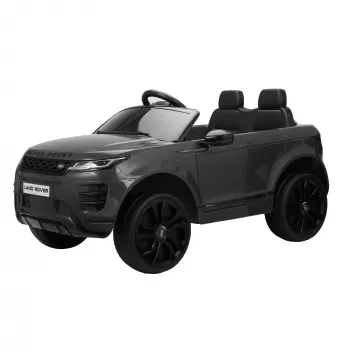
- Kids’ 12V Ride On Land Rover with Remote Control and LED Lights
- High-Speed 1/8 Scale Monster Tank RC Car
| Product | What stands out | Link |
|---|---|---|
| Kids’ Light-Up Bike: LED Frame with 3 Modes – Unisex Design | Light-up frame with 3 modes; unisex styling | View product |
FAQ
Are LED frame lights enough for riding near traffic?
No. LED frame lights can improve visibility, but they don’t replace reflectors, a front white light and rear red light where required, or active adult supervision—especially near traffic. Stick to safer routes and follow local laws for bike lighting.
Which light mode is best for neighborhood rides?
Steady mode is often the easiest for calm, consistent visibility on quiet streets, while blinking can help in busier areas where you want quicker attention. The most important part is choosing a default mode so the child reliably turns the lights on every ride.
How can a parent make sure the bike fits before the first ride?
Check stand-over comfort, confirm the child can touch down with the balls of their feet when seated, and make sure the handlebars and brake levers are easy to reach without stretching. Adjust the seat and handlebars as needed, and confirm the helmet sits level and snug.






Leave a comment