Fruit Nibbler for a 4‑Month‑Old: Is It Safe?
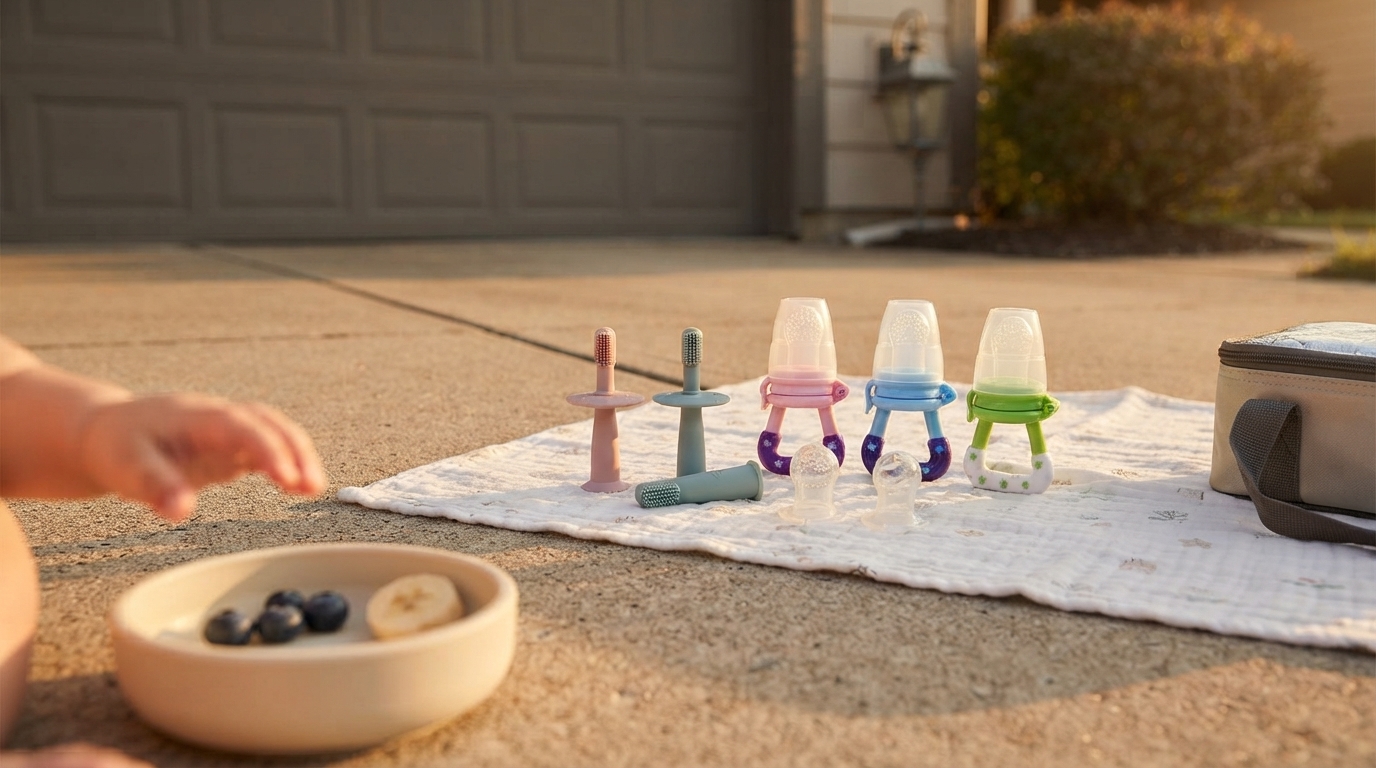
Can we give fruit nibbler to a 4 month old baby?
Often, yes—but only when your baby is truly ready for solids and the fruit nibbler is used with close supervision. Many babies start complementary foods around 6 months, yet some pediatricians may recommend starting a bit earlier (around 4 months) if your baby shows clear readiness signs. A fruit nibbler (also called a fruit feeder) can be a helpful way to offer small tastes while reducing the risk of large chunks breaking off.
When a 4-month-old may be ready
A fruit nibbler is best introduced when your baby can hold their head up steadily, sit with support, bring items to their mouth, and shows interest in food. If your baby still has a strong tongue-thrust reflex (pushing food out), it may be too soon. When in doubt, ask your pediatrician, especially if your baby was born early or has feeding concerns.
How to use a fruit nibbler safely at 4 months
Choose soft, ripe fruits that mash easily (like banana, very ripe pear, or ripe peach). Avoid hard fruits and large frozen chunks that could numb gums and encourage biting off pieces. Start with a small amount, offer it while your baby is upright, and stay within arm’s reach the entire time. Inspect the feeder before each use for tears, weak seams, or loose parts, and wash it thoroughly after use.
What to avoid
Avoid honey (under 12 months), whole grapes, raw apple pieces, and any foods your pediatrician has flagged as unsafe for your baby. If your child has eczema or a strong family history of allergies, ask about the best timing for introducing common allergens and whether a feeder is appropriate.
Picking the right fruit feeder
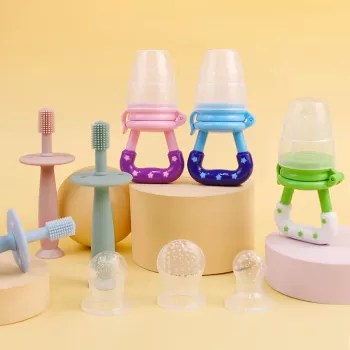
Look for a baby fruit feeder with a secure locking handle and a soft silicone pouch that’s sized for small mouths. For more guidance on choosing and using a silicone feeder set, see this resource: silicone baby fruit feeder set with cover guide.
FAQ
What fruits are best to put in a baby fruit feeder?
Soft, ripe options like banana, avocado, ripe pear, and very ripe peach tend to work well. Start with one single-ingredient fruit at a time so it’s easier to spot any reaction.










Leave a comment