Kids Ride-On Electric Excavator: Backyard Digging Fun
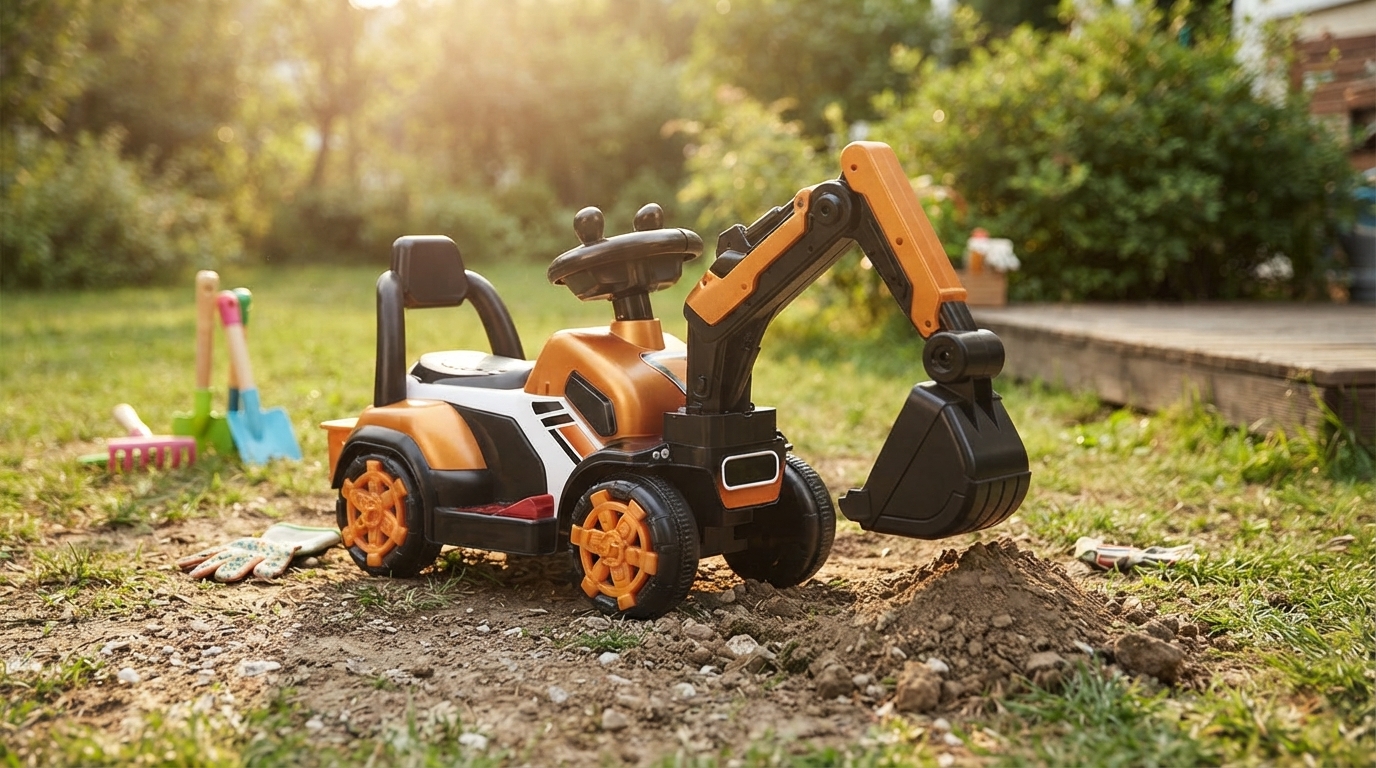
Kid’s Ride-On Electric Excavator: Realistic Digging Play for Backyard Builders
A ride-on electric excavator turns outdoor play into hands-on “job site” adventures, combining powered driving with a working digging arm kids can control. With the right setup and a few simple routines, it can become a go-to backyard activity that blends pretend play, coordination, and practical outdoor fun—without needing a huge space or complicated gear.
What Makes a Ride-On Excavator Different
Unlike a typical ride-on car that’s mainly about cruising, a ride-on excavator pairs driving with scoop-and-dump action. Kids aren’t just steering to a destination—they’re operating an articulated arm to lift, swing, and empty material into a “dump zone.”
- Combines a drivable ride-on vehicle with an articulated digging arm for scoop-and-dump play.
- Encourages coordination by separating driving control from arm control (hands, feet, and spatial awareness).
- Works best on firm ground like packed dirt, short grass, or playground mulch for smoother traction and scooping.
Highlights to Look For Before Buying
Excavator-style ride-ons can look similar at a glance, but small design differences make a big impact on how easy they are for kids to operate—and how stable they feel when the bucket is extended.
- Digging arm controls: Separate levers/buttons are often easier for kids to learn than a single multi-function control.
- Bucket reach and movement: A longer reach helps with scooping into bins; smoother joints reduce jerky motions.
- Seat comfort and fit: A supportive seat and sensible legroom help kids stay comfortable during longer play sessions.
- Drive performance: Steady start/stop and a manageable top speed matter more than raw speed for excavator play.
- Materials and stability: A wider base and durable wheels can reduce tipping when the bucket is raised or extended.
Quick Checklist for a Kid-Friendly Excavator
| Feature | Why it matters | What to verify |
|---|---|---|
| Arm control layout | Easier learning and better control | Levers/buttons are reachable while seated |
| Stable stance | Helps prevent tipping during scoops | Wide wheelbase; low center of gravity |
| Battery and runtime | Longer play between charges | Rated voltage, charge time, typical runtime |
| Weight limit | Safety and motor longevity | Child weight range matches the product spec |
| Surface suitability | Better traction and digging feel | Performs on grass/dirt/mulch; wheel tread quality |
Safe Setup for Backyard “Work Zones”
A smart setup makes the experience more fun and reduces the chance of surprises—like rolling too close to a driveway edge or dumping material where it becomes a slipping hazard.
- Pick a flat area away from driveways, pools, steps, and steep slopes; avoid loose gravel that can roll under wheels.
- Use simple boundaries (cones, chalk lines, garden edging) to define where driving and dumping are allowed.
- Dress for the job: closed-toe shoes, fitted clothing, and hair tied back to reduce snag risks.
- Supervision matters most when younger kids are learning controls or when multiple kids are playing together.
For broader safety guidance, it’s also helpful to review toy and outdoor play recommendations from organizations like Safe Kids Worldwide and the AAP’s outdoor safety resources at HealthyChildren.org.
Battery, Charging, and Everyday Use
Battery habits often determine whether a ride-on feels “ready to go” for months—or becomes a once-in-a-while toy due to charging frustration. Keep the routine simple and consistent.
- Follow the included charger instructions and avoid overnight or unattended charging unless the manual explicitly allows it.
- Let the vehicle cool down after long sessions before charging; heat can shorten battery life.
- Store indoors or in a dry garage; moisture and extreme temperatures can affect connectors and battery performance.
- For longer life, recharge after use rather than leaving the battery deeply discharged for extended periods.
Assembly and First Test Run
If a product ever seems unsafe or you want to double-check recalls, the U.S. Consumer Product Safety Commission (CPSC) recall database is a reliable place to search.
Play Ideas That Keep Kids Engaged
Care and Maintenance for a Longer Lifespan
How It Compares to Other Big Kid Toys
Toy Vehicle Matchups for Different Play Styles
| Option | Best for | Not ideal when |
|---|---|---|
| Ride-on excavator | Dig-and-move play; role-play job sites | Space is tight or terrain is very steep |
| Ride-on SUV/truck | Driving practice; longer routes; passenger play | Kids mainly want digging/yard projects |
| High-speed RC vehicle | Speed, jumps, and remote-control skills | Kids want to ride and operate a working arm |
Recommended Pick and Complementary Options
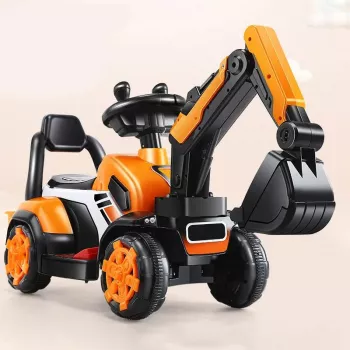
- Kid’s Ride-On Electric Excavator: A strong match for realistic scoop, lift, and dump play in backyard “build zones.”
- Kids’ 12V Ride On Land Rover with Remote Control and LED Lights: A helpful complement when a younger driver benefits from adult steering support while still enjoying the ride-on experience.
- High-Speed 1/8 Scale Monster Tank RC Car: Adds a fast, stunt-ready option for kids who want performance play without riding.
FAQ
What age is a ride-on electric excavator best for?
Most families find it works best for preschool and early elementary ages, but the deciding factors are the product’s stated age range and weight limit. Younger kids usually do best with simpler controls and closer supervision until they can drive and operate the arm confidently.
Can a kid’s ride-on excavator actually dig in dirt?
It can scoop and move loose materials like mulch, soft dirt, or sand, especially on firm, even ground. It isn’t designed for hard-packed soil, heavy rocks, or digging into tough roots, so lightweight materials are the safest and most satisfying for kids.
How long does the battery last and how should it be charged?
Runtime varies based on surface friction, the child’s weight, and how often the digging arm is used, but smoother ground and lighter loads typically last longer. Charge using the included charger in a dry area, and avoid unattended charging unless the manual specifically states it’s permitted.









Leave a comment