2WD Drifting Explained: How It Works + RC Tips
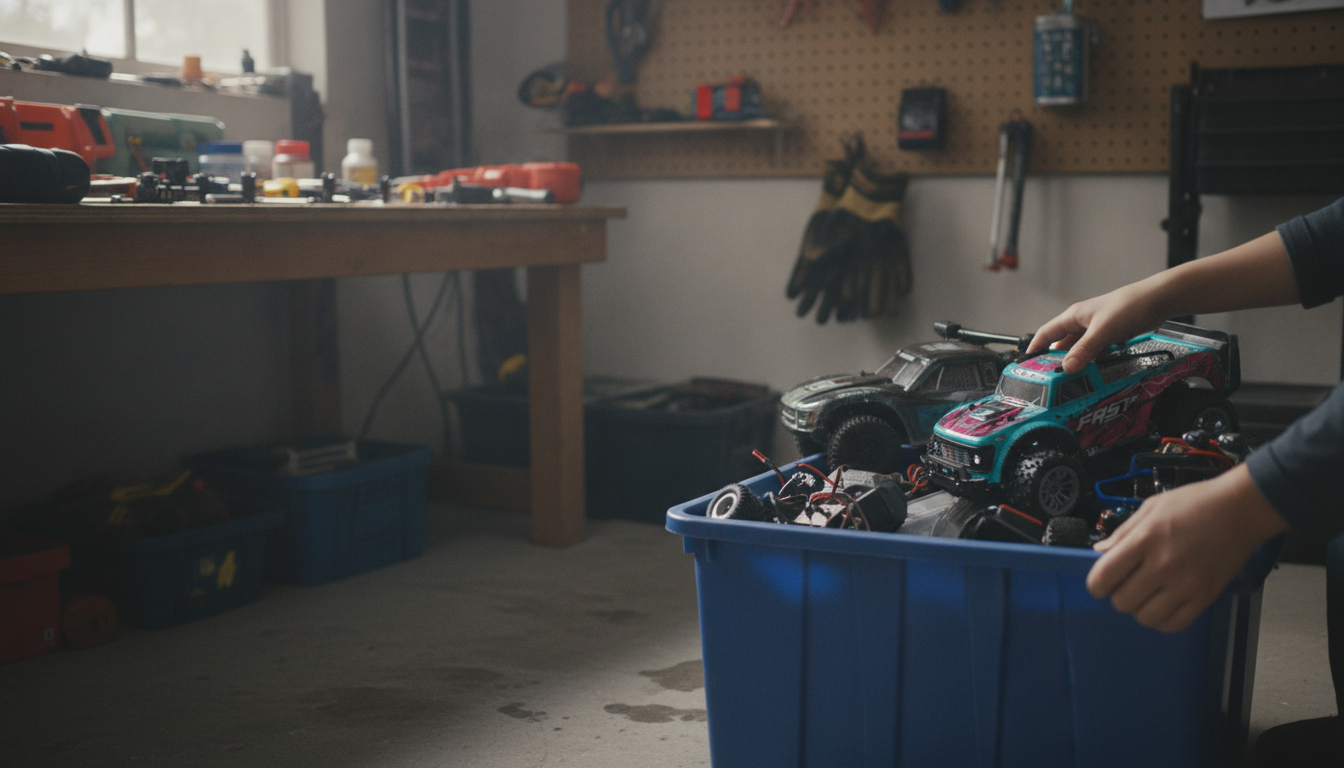
Can you drift on 2WD?
Yes, you can drift on 2WD—both in full-size vehicles and in RC cars. In fact, 2WD is often the most “classic” way to drift because it relies on breaking rear traction and controlling the slide with throttle, steering, and weight transfer. The tradeoff is that 2WD drifting is generally less forgiving than AWD/4WD, especially on low-grip or bumpy surfaces.
Why 2WD can drift so well
Drifting happens when the driven wheels lose traction and the vehicle keeps moving forward while angled sideways. With 2WD (typically rear-wheel drive in drifting scenarios), applying throttle can spin the rear tires and start a slide. Once the slide begins, small changes in throttle help you extend, tighten, or recover the drift. That’s why 2WD drifting feels “snappy” and responsive when it’s set up right.
What makes 2WD drifting harder
Because only two wheels are driving, there’s less total traction to pull the vehicle through mistakes. If you add too much throttle, the rear end can swing out too far; too little, and the drift can straighten immediately. Surface choice matters a lot: smooth pavement, polished concrete, and sealed indoor floors make 2WD drifting easier than rough asphalt, grass, or dirt.
Tips to make 2WD drifting easier (especially for RC)
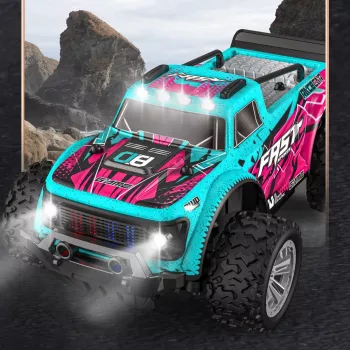
Start on a smooth, consistent surface and build muscle memory for gentle steering inputs. Drift-friendly tires (often harder plastic or low-grip compounds) help break traction predictably. Suspension setup also matters: a slightly stiffer rear and stable front end can make transitions cleaner. If you’re shopping or tuning a 2WD RC drift truck, a model designed for sliding—and not just speed—will feel dramatically more controllable.
For a deeper, practical look at driving techniques, surfaces, and what to expect from a 2WD drift-style RC truck, visit the main guide: https://babyjoyboutique.com/guide-120-2wd-rc-drift-truck-with-lights-drift-trail-guide/.
FAQ
What surface is best for 2WD RC drifting?
Smooth, low-grip surfaces like polished concrete, sealed garages, or clean asphalt make it easiest to start and hold controlled slides. Rough pavement and uneven outdoor terrain tend to interrupt the drift and cause spinning.








Leave a comment