Silicone Turtle Baby Teether: Soothing, Easy-Grip Relief
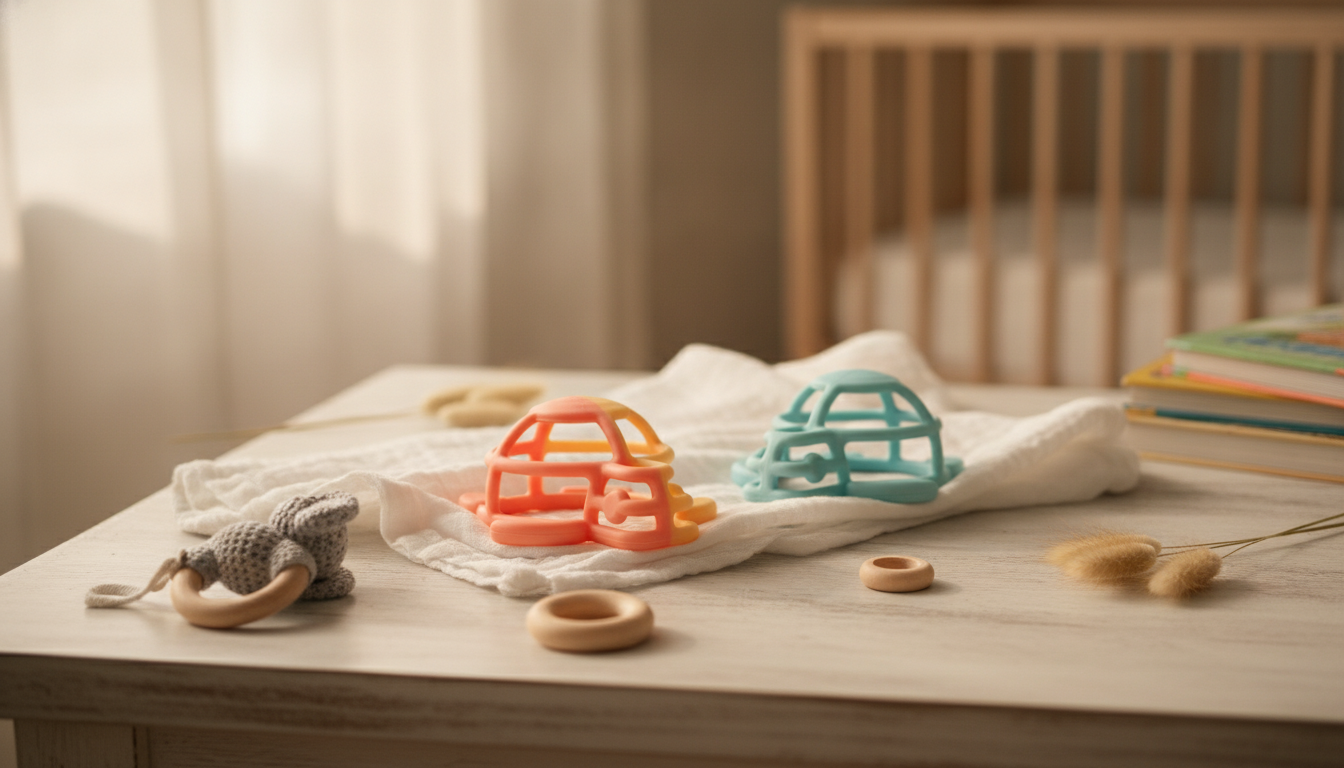
Silicone Turtle Baby Teether
Teething can bring sore gums, extra drool, and restless moments. A well-designed teether gives babies a safe surface to chew, easy-to-grip shapes for little hands, and simple cleaning for caregivers. This silicone turtle teether is made for everyday soothing, quick rinses, and on-the-go use. For more guidance, see CPSC, Prestige Toy Corp. Announce Recall of Spinning Water ….
What Makes a Teether Helpful During Teething
When teeth start pushing through, babies naturally look for pressure and texture. A quality teether can support those needs in a simple, baby-friendly way. For further reading, see [PDF] Example Baby & Toddler Toys.
- Provides a chewable surface that can help distract from gum discomfort.
- Encourages grasping and hand-to-mouth coordination with a shape that’s easy to hold.
- Offers textured areas that gently massage gums as babies chew.
- Can be chilled (if manufacturer guidance allows) for a cooling sensation that some babies find soothing.
For pediatric guidance on soothing sore gums and what’s considered normal during teething, see the American Academy of Pediatrics teething tips.
Silicone Turtle Teether at a Glance
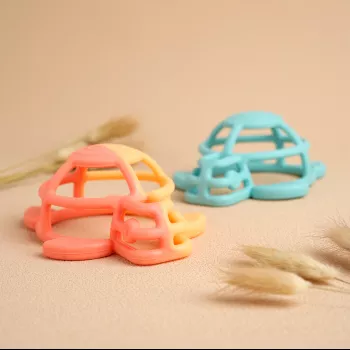
A turtle shape isn’t just cute—it can also be practical for early gripping and turning in little hands.
- Soft, flexible silicone designed for frequent chewing.
- Turtle shape supports gripping from multiple angles for early learners.
- Compact size fits well in diaper bags, strollers, and car seat pockets.
- A simple one-piece style can be easier to clean than multi-part teethers.
Quick Comparison: Common Teether Materials
| Material | How it feels | Upsides | Things to watch |
|---|---|---|---|
| Silicone | Soft, slightly springy | Easy to wash; gentle on gums; good grip | Inspect for tears or damage; avoid high heat unless labeled safe |
| Natural rubber | Soft and bouncy | Often very grippy; lightweight | Check for latex sensitivity; follow care directions closely |
| Wood | Firm | Durable; no plasticizers | Not ideal for heavy drool; must be kept very clean and dry |
| Plastic | Varies by design | Often inexpensive and lightweight | Avoid if cracked; confirm it’s made for infant chewing |
For broader toy safety reminders (materials, wear-and-tear checks, and age grading), the FDA’s tips for selecting safe toys are a helpful reference.
Comfort and Design Details to Look For
Babies don’t chew the same way every day—gum tenderness can shift, and new teeth can change what feels best. These design details tend to matter most in daily use:
- Multiple textures: raised bumps, ridges, or patterned surfaces can target different gum areas.
- Easy-to-hold silhouette: openings or wide “handles” help babies keep a steady grip.
- Gentle edges: rounded contours reduce the chance of irritating tender gums.
- Lightweight build: easier for younger babies to lift and control.
A turtle-style teether can be especially convenient because babies can rotate it and find a new chewing angle without needing help. That small bit of independence often means fewer dropped teethers and longer, calmer chewing stretches.
Safety Checks Before Every Use
Even the best teether needs routine inspection. Make a quick check part of the daily rhythm—especially after the teether has been in a bag, dropped, or used during a fussy stretch.
- Inspect the teether for tears, cracks, or loose pieces; replace at the first sign of damage.
- Use only teethers intended for infant chewing and appropriate for the baby’s age and developmental stage.
- Avoid attaching teethers to cords or strings long enough to pose a strangulation risk; use safe, short clips designed for babies when needed.
- Supervise chewing, especially if the teether has been chilled or if baby is very tired.
Since any small item can become a hazard if it breaks or if an attachment is unsafe, it’s also worth reviewing the CDC’s guidance on choking hazards for young children.
Cleaning and Care
One of the main advantages of silicone is how straightforward it is to clean. Good hygiene keeps the teether more pleasant to use and helps reduce grime buildup from drool, lint, and floor drops.
- Wash before first use and after drops or heavy drooling—warm water and mild soap are typically suitable for silicone teethers.
- Rinse thoroughly to remove soap residue and let dry completely.
- If the product instructions allow, occasional sanitizing can be done per manufacturer guidance (boiling time, dishwasher rack placement, or steam sterilizer compatibility varies).
- Store in a clean, dry container to reduce lint and dust pickup when traveling.
A simple one-piece design can be easier to keep clean because there are fewer seams where residue can hide. If you notice lingering odors or tackiness that doesn’t wash away, it’s a good time to replace the teether.
How to Use a Teether for Calmer Moments
Teethers work best when they’re offered proactively—before baby is fully upset. Keeping a teether within reach can help you catch those early “chew cues.”
Product Details and Availability
- Product: Silicone Turtle Baby Teether
- Price: $6.82 (USD)
- Availability: In stock
This is a simple, giftable option for baby showers, new parent bundles, or keeping a spare teether in the diaper bag. For a cute add-on when gifting, pair it with something cozy like the Girls Knit Sweater Dress with Heart Print & Ruffle Collar to round out a practical-and-sweet set.
FAQ
Can a silicone teether be chilled?
Yes for many silicone teethers, but follow the product’s care instructions. If chilling is allowed, a refrigerator is often preferred over a freezer to avoid extreme cold that can irritate tender gums.
How often should a baby teether be cleaned?
Clean before first use and whenever it drops on the floor or becomes heavily soiled. For everyday use, washing with warm soapy water, rinsing well, and drying completely is typically sufficient.
When should a teether be replaced?
Replace immediately if there are tears, cracks, stickiness, discoloration changes, or any area that looks like it could break off. A quick inspection before each use helps catch wear early.








Leave a comment