Gratitude Checklist for Kids: Easy Daily Thankful Habits
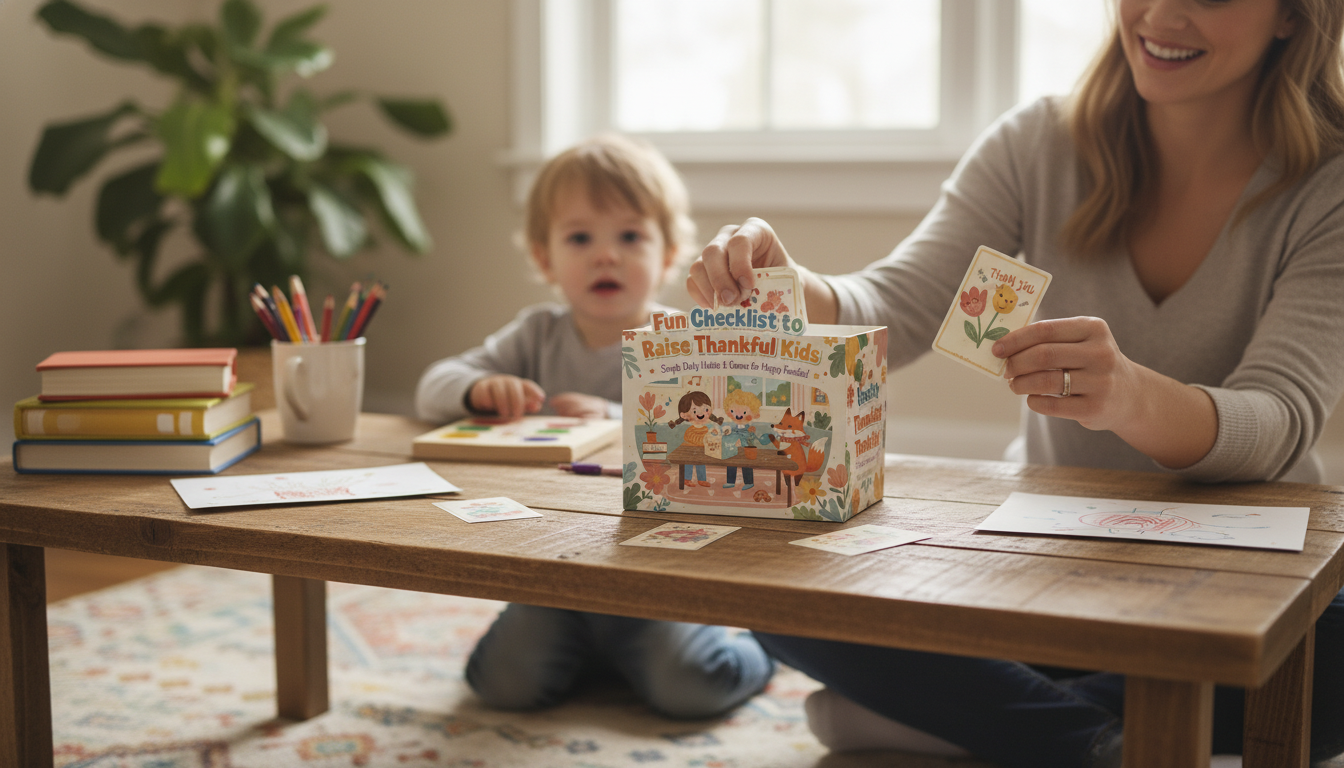
Fun Checklist to Raise Thankful Kids: Simple, Doable Gratitude Habits for Everyday Family Life
Gratitude grows best when it’s practiced in small, repeatable moments—at the table, during play, on the way to school, and at bedtime. A family checklist turns “be grateful” into concrete actions kids can understand, choose, and repeat—without long lectures or pressure.
What gratitude looks like in kids (and what it doesn’t)
In children, gratitude is less about perfect manners and more about a learnable skill: noticing something positive, recognizing a “giver” (a person, nature, a community helper, even a pet), and responding in a meaningful way. Many kids show gratitude through actions more than words—sharing a toy, helping set the table, drawing a picture, offering a hug, or taking care of something they were given.
On the flip side, forced apologies or scripted “thank you” lines can backfire if they feel like a performance. Modeling gratitude and offering gentle prompts usually works better than shaming. A checklist helps because it replaces vague expectations with clear choices and quick wins kids can actually complete.
Why a checklist works for teaching gratitude
- Makes gratitude visible: kids can see progress and feel capable.
- Builds consistency: daily or weekly repetition forms habits faster than occasional “gratitude talks.”
- Offers autonomy: kids pick from options, which reduces resistance and power struggles.
- Encourages variety: gratitude can be expressed through words, service, creativity, and mindfulness—not only verbal thanks.
- Creates easy conversation starters: “Which one do you want to try today?” lands better than “Why aren’t you grateful?”
Best ways to teach gratitude to children (that fit real schedules)
Gratitude routines don’t need extra time blocks; they work best when they “attach” to what already happens every day.
- Model it out loud: name small appreciations (“I’m thankful the neighbor brought our package in”).
- Use “notice and name” prompts: “What went right today?” “Who helped you?” “What did you enjoy?”
- Practice thanks in different forms: say it, write it, draw it, or do a helpful action.
- Make gratitude specific: swap “thanks for everything” with “thanks for playing with me when I felt sad.”
- Link gratitude to responsibility: caring for toys, books, and shared spaces can be framed as appreciation.
- Include hard days: gratitude isn’t pretending everything is perfect; it’s finding something steady even when feelings are big.
For a deeper look at how gratitude supports well-being, the American Psychological Association (APA) and the Greater Good Science Center (UC Berkeley) both summarize research-backed benefits and practical approaches.
Ages and stages: gratitude activities that match development
Gratitude grows with a child’s ability to think about effort, perspective, and values. The best activities match what kids can actually do right now—and gently stretch them as they mature.
Quick gratitude ideas by age
| Age | What kids can do | Example checklist item |
|---|---|---|
| 3–5 | Point, name, and copy routines | Say one thing you liked today and give a high-five thank you |
| 6–9 | Describe effort and impact | Write a one-sentence thank-you note to someone who helped |
| 10–12+ | Connect gratitude to values and action | Do one helpful task for the family without being asked and explain why |
For mixed ages, try one shared prompt (“Who helped you today?”) and let younger kids pick an action while older kids add one sentence about why it mattered.
How to use a printable gratitude checklist at home (and keep it fun)
The best checklist is the one you’ll actually use. Keep it light, short, and choice-based.
If you want a ready-to-go routine, Fun Checklist to Raise Thankful Kids (Printable Digital Download) is designed to make gratitude feel like a quick, doable family habit instead of a lecture.
Family scenarios (with simple scripts that don’t sound preachy)
When kids complain
When siblings fight
After gifts
At dinner
Bedtime reset
Printable digital download: a low-prep tool for busy families
To make the routine smoother, pair the checklist with simple tools you already use: a small thank-you note pad, markers, and a place to store finished pages. A dedicated supply spot—like a desktop pencil holder—can cut down on daily friction when kids are ready to write or draw. If you’re building a tidy “gratitude station,” the Creative Hollow Star Desk Organizer – Pen & Brush Holder is a convenient way to keep pens, crayons, and sticky notes together.
And if the hardest part of family routines is simply finding the time window, a planning system can help gratitude fit naturally into mornings and evenings. Using AI to Organize Kids’ Schedule (Digital Guide) offers a structured way to map small habits—like a 2-minute gratitude pick—into a real family schedule.
FAQ
How often should kids do gratitude activities for it to stick?
A small daily habit works best: one checklist item in 2–3 minutes, plus an optional weekly kindness action. Consistency matters more than doing a long activity once in a while.
What if a child refuses to say “thank you”?
Model gratitude yourself and offer other ways to respond—drawing a picture, doing a helpful task, or writing a short note. Gentle prompts help; shame and forced scripts usually make kids dig in.
Can one checklist work for multiple ages?
Yes. Younger kids can complete the simple action, while older kids add a sentence of reflection (who helped, what effort was involved, and why it mattered) or choose a more challenging version of the same task.








Leave a comment