2.4GHz RC Foam Jet with Camera: Easy Stunt Rolls
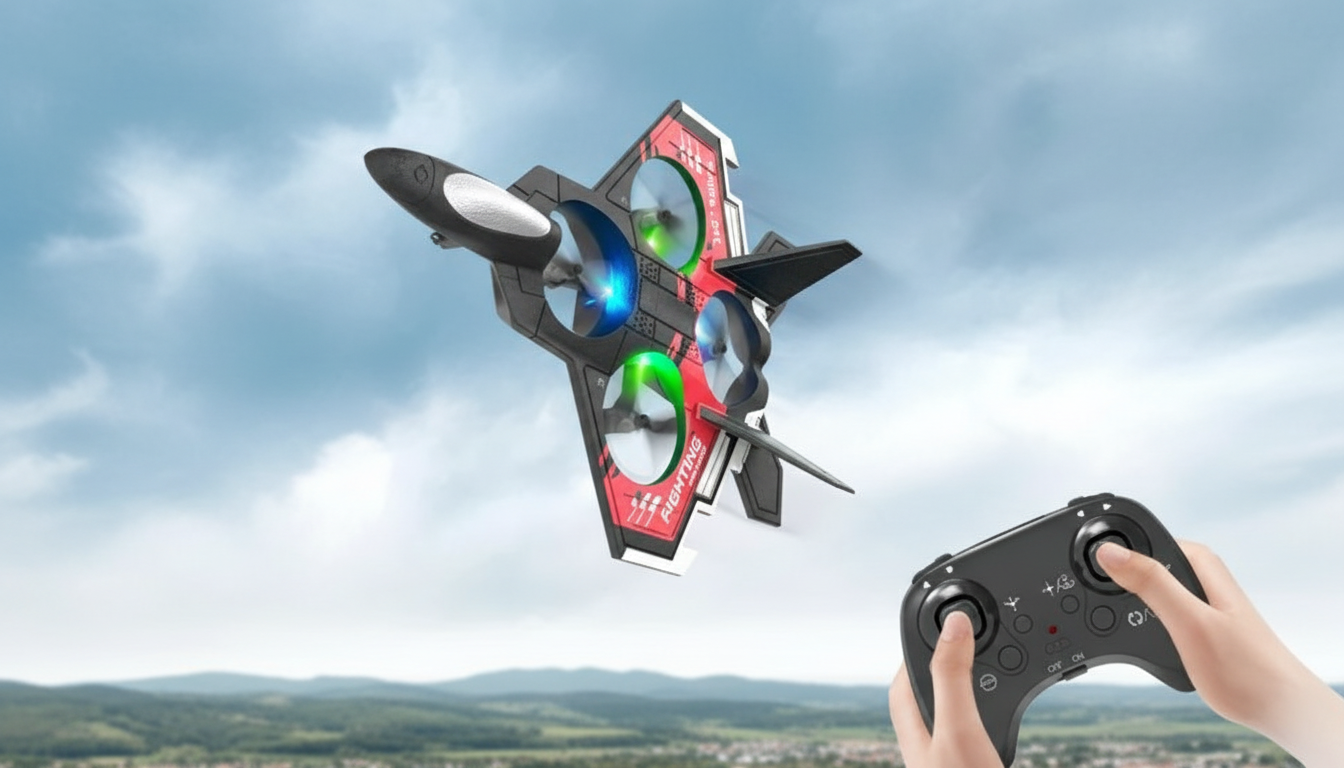
2.4GHz RC Foam Jet Plane with Camera & Stunt Roll: Backyard Airshow Fun Without the Fragility
A foam RC jet that flies on 2.4GHz, includes an onboard camera, and can perform stunt rolls brings together three crowd-pleasers in one easy package: stable radio control, lightweight durability, and action-style flying. It’s the kind of plane that turns a regular afternoon into a quick “backyard airshow,” with replay-worthy clips and enough toughness to handle beginner bumps. Below is what to expect from this style of jet, how to set it up for smoother first flights, and how to capture cleaner video while keeping things safe and low-stress.
What makes this foam jet different
Not every RC plane is designed to be fun on day one. A foam jet with a camera and roll function leans into immediate excitement while still staying approachable.
- Foam airframe: Foam tends to absorb minor impacts better than brittle plastics, which helps during early landings and “oops” moments.
- 2.4GHz control: Modern 2.4GHz radios are built to handle busy environments better than older frequency systems, which is useful in parks and neighborhoods where devices are everywhere.
- Onboard camera: Captures takeoffs, fly-bys, and landings with a fun “pilot view” feel—perfect for quick replays and sharing.
- Stunt roll function: Adds variety without requiring the pilot to master complex stick aerobatics right away.
- Jet silhouette: Even when it’s flying at beginner-friendly speed, the jet styling makes passes feel fast and “airshow-like.”
Quick specs and buying checklist
Before purchasing any RC jet (especially as a gift), it helps to confirm a few practical details so the first session goes smoothly.
- Confirm what’s included: aircraft, controller, battery, charging cable, and any spare parts.
- Check charging type and estimated charging time so you can plan around downtime.
- Verify how the camera records and how footage is retrieved (onboard storage vs. paired device).
- Plan your flying area: open space, low foot traffic, minimal obstacles, and no roads nearby.
- Keep basic spares ready if available: tape for quick reinforcement, and a spare battery for longer sessions.
| Feature | Why it matters | What to look for |
|---|---|---|
| 2.4GHz radio | More consistent control in busy areas | Stable response, reduced signal conflicts |
| Foam construction | Durability for learning | Flexible foam, easy-to-repair surfaces |
| Camera | Captures flight clips and takeoff/landing moments | Simple file access, clear enough video for sharing |
| Stunt roll | Adds excitement without complex inputs | One-button or simplified roll mode |
| Battery system | Determines session length and downtime | Reasonable charge time; consider a spare battery |
Setting up for a smooth first flight
A calm, methodical first session usually prevents the most common beginner crashes. Lightweight foam planes respond quickly, so preparation matters.
- Pre-flight check: Make sure the airframe is intact, the prop/ducted fan area is clear, and the battery is seated securely.
- Power-on sequence: Turn on the controller first, then the aircraft (follow the included instructions if they specify a pairing order).
- Choose calmer weather: Even a light breeze can push a foam jet around, especially during takeoff and landing.
- Pick an obstacle-free area: Avoid trees, power lines, crowds, and roads. A big open field is ideal.
- Use gentle inputs: Start with small turns and gradual climbs. Do a few straight passes to learn how it tracks at different throttle settings.
For safety reminders and best practices, review the FAA’s recreational flyer guidance (FAA — Recreational Flyer Information and Safety Guidance) and the community-based standards from the Academy of Model Aeronautics (AMA — Safety Code).
How to get better camera clips without complicated gear
The simplest way to improve onboard footage is to fly like you’re filming. Smooth lines read better on video than constant corrections.
Using stunt roll safely (and making it look good)
Where this jet fits best: ages, skill level, and giftability
Care, storage, and quick repairs for foam airframes
Recommended picks in stock
If the goal is casual outdoor flying that also captures quick clips, the 2.4GHz RC Foam Jet Plane with Camera & Stunt Roll is an all-in-one “fly + film + stunt” option that’s easy to bring to a field or backyard.
For gifting and keeping the hobby organized between flights, a small accessory can help. The Creative Hollow Star Desk Organizer – Pen & Brush Holder for Office or Study is a simple way to store charging cables, small tools, or spare bits on a desk.
If family schedules are packed and you want a quick way to carve out consistent outdoor time for activities like RC flying, the Using AI to Organize Kids’ Schedule | Digital Guide for Parents on How to Use AI to Organize Family Schedule can help structure routines so charging, travel time, and flight sessions don’t feel rushed.
FAQ
Is a 2.4GHz RC plane better for flying around other people using Wi‑Fi or Bluetooth?
Generally, yes—2.4GHz RC systems are designed to reduce interference compared with older RC frequencies, but crowded radio environments can still affect range. Fly in open space, keep the aircraft within line of sight, and avoid pushing distance limits.
How difficult is the stunt roll for a beginner?
A simplified roll mode is much easier than manual aerobatics because the plane handles most of the action. Start high, trigger the roll during straight flight, then make small corrections after it finishes.
How can camera footage look less shaky on a lightweight foam jet?
Fly smoother lines with gradual throttle changes, and avoid abrupt turns—especially in windy conditions. Planning a couple of long passes with the sun behind the aircraft also helps footage look clearer and more stable.








Leave a comment