Cat Teether Glove: BPA-Free Silicone Relief for Babies
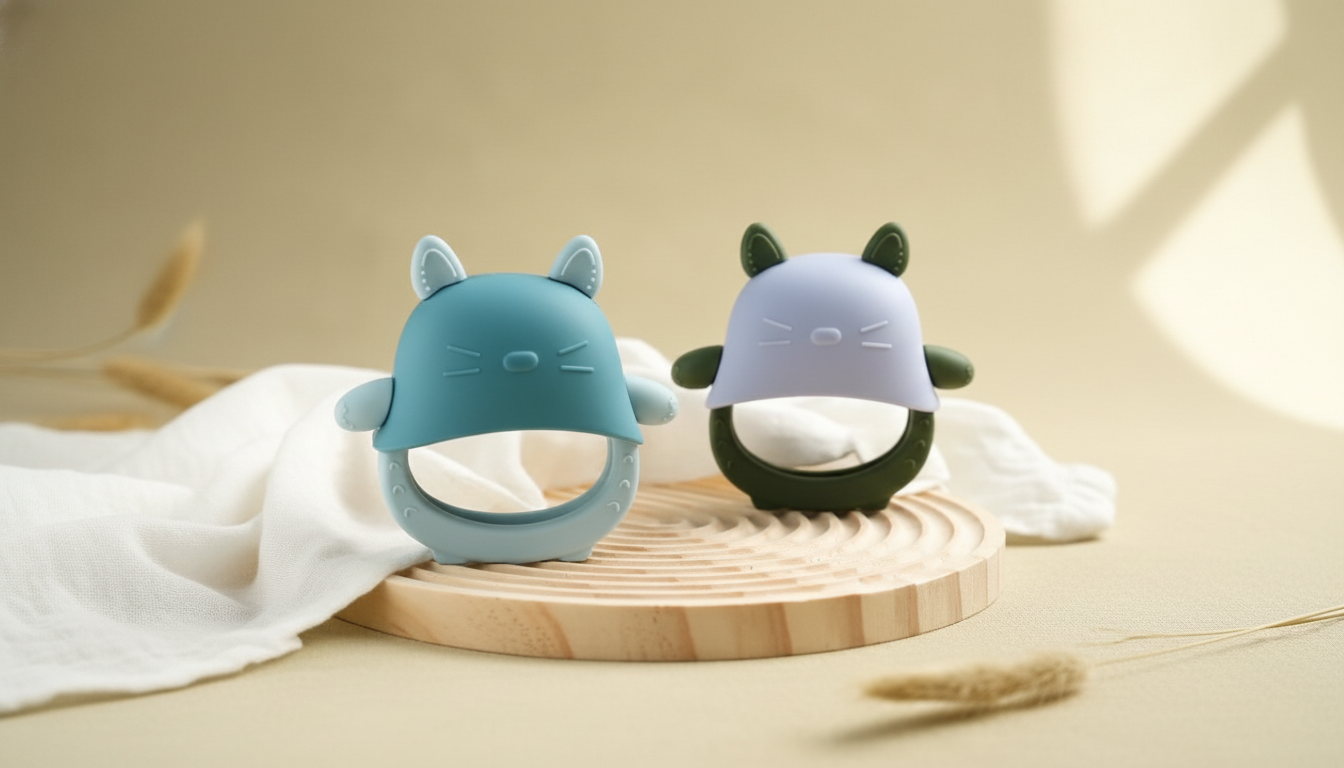
Baby Silicone Cat Teether Glove: Gentle Relief and Hands-On Sensory Play
Teething can make little ones fussy and eager to chew on anything within reach. A silicone teether glove helps keep a safe chewing surface on the hand, supports sensory exploration, and can be easier to hold than traditional teethers—especially for early biters who haven’t mastered gripping yet. For more guidance, see The 5 Best Teething Mittens of 2023 | WonderBaby.org.
What a Teether Glove Does (and Why It Helps)
Many babies naturally self-soothe by bringing their hands to their mouths. A teether glove works with that instinct by turning the hand into a consistent, chew-ready surface that’s easier to “keep track of” than a loose teething toy. For further reading, see [PDF] Example Health & Child Safety Products.
- Keeps a consistent chewing surface on the hand, reducing chewing on clothing or fingers
- Offers gum pressure where babies often seek relief during teething periods
- Encourages independent soothing for babies who can bring hands to mouth
- Provides tactile stimulation through textured silicone surfaces
- Helps caregivers keep track of the teether since it’s worn, not carried
For general guidance on what’s normal during teething and when to call your pediatrician, the American Academy of Pediatrics shares helpful expectations and tips on HealthyChildren.org.
Meet the Baby Silicone Cat Teether Glove
If your baby is in the “everything is a chew toy” phase, the Baby Silicone Cat Teether Glove – BPA Free Sensory Chewing Toy for Toddlers brings comfort and playfulness together. The cat-themed look adds a friendly visual element, while the glove format supports babies who prefer gnawing on knuckles and hands.
- Cat-themed design adds playful visual interest during everyday soothing
- Silicone chewing surface designed for frequent mouthing
- BPA-free material for peace of mind with repeated use
- Glove format supports babies who prefer chewing on hands and knuckles
- Lightweight option that can fit into diaper bags and strollers easily
At-a-glance product details
| Feature | What it means for daily use |
|---|---|
| Silicone teething surface | Soft, flexible chewing texture that’s easy to mouth |
| BPA-free | Avoids BPA exposure concerns during frequent chewing |
| Glove style | Stays with baby’s hand; helpful for early grip stages |
| Sensory textures | Adds tactile input that can keep babies engaged |
| Cat design | Friendly look that can make soothing time feel like play |
Comfort, Sensory Benefits, and Skill-Building
Teething relief is only part of the story. Because a glove is worn, it encourages repeated hand-to-mouth practice and offers rich sensory input that can keep little ones calmly occupied for longer stretches.
- Textured chewing can provide soothing gum pressure as teeth move
- Sensory feedback (texture + movement) can hold attention longer than smooth teethers
- Hand-to-mouth coordination supports early motor development
- Can reduce frustration when babies drop traditional teethers repeatedly
- Pairs well with calm routines like story time, stroller walks, or quiet play
Many caregivers also like how “hands-on” soothing can be: the glove is there when baby wants it, without requiring constant pick-ups from the floor.
Safety Basics for Any Teething Toy
Even well-designed teething toys need smart, consistent safety habits. A few quick checks can help keep teething time comfortable and low-stress.
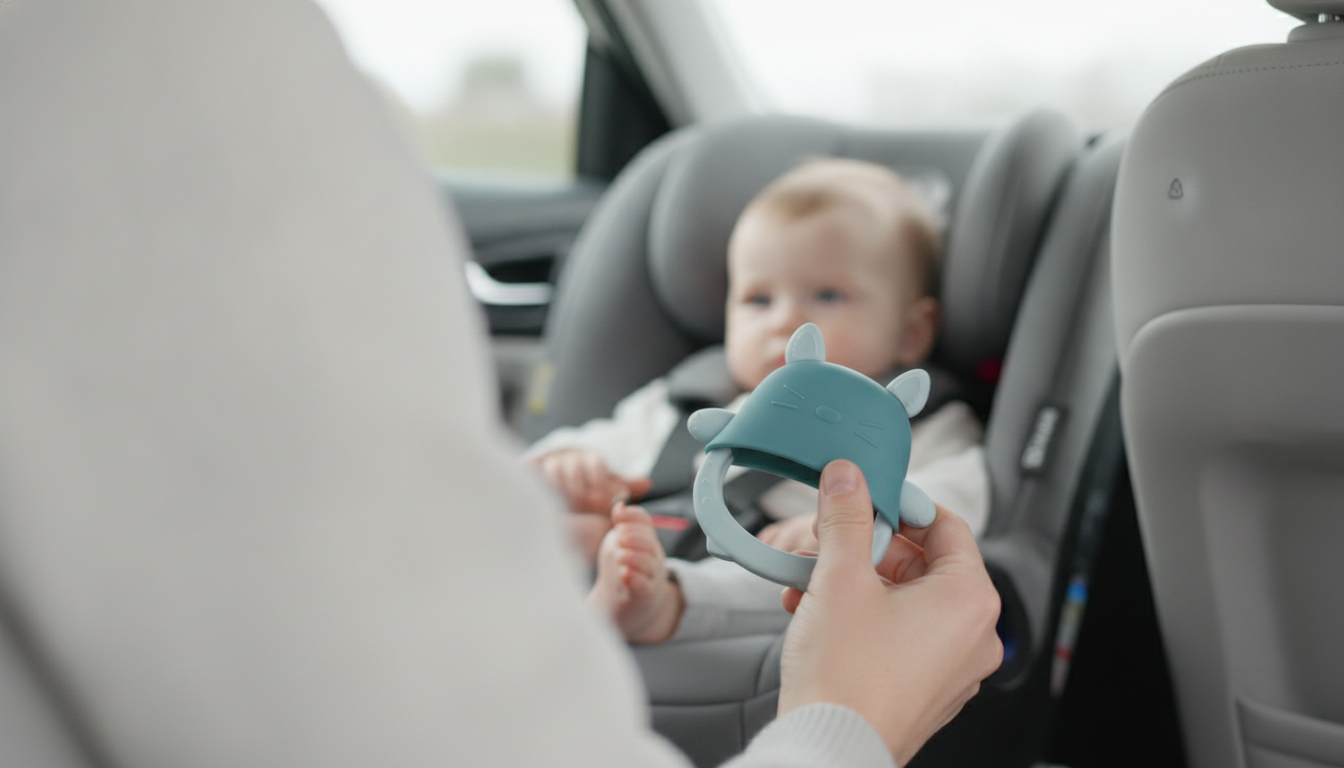
- Use only under supervision, especially for younger babies who may fall asleep while chewing
- Check the chewing surface often; discontinue use if torn, cracked, or sticky
- Avoid adding strings, clips, or cords not designed for the product
- Choose materials that are meant for mouthing and easy to clean
- Follow age guidance and fit guidance so the glove stays secure without restricting circulation
“BPA-free” is a common preference for baby items that get mouthed frequently. If you’d like background on BPA, the U.S. Food & Drug Administration provides an overview here: Bisphenol A (BPA) information.
Cleaning and Care
Because teething gear gets a lot of saliva exposure (and often ends up on the floor), cleaning is part of the routine. A few minutes of care can help the glove stay fresh and ready to use.
- Wash before first use and after heavy chewing sessions
- Use warm water with mild soap; rinse thoroughly to remove residue
- Air-dry completely before storage to reduce odor and moisture buildup
- Store in a clean, dry pouch or container when traveling
- Replace if the silicone shows damage or if the glove no longer fits securely
When a Teether Glove Is Most Useful
Some situations make traditional teethers feel impractical—especially when they get dropped every few minutes. A glove can be a simple fix for common day-to-day moments.
Simple Ways to Build a Calm Teething Routine
As teething overlaps with mealtimes, pairing soothing with feeding routines can feel natural. For families building baby-led mealtime habits, the 6PCS Silicone Baby Feeding Set with Lion Plate, Bib, Cup, Spoon & Fork can help keep the table setup consistent while your little one is navigating new textures and sensations.
FAQ
What age is a teether glove best for?
Teether gloves are often most helpful once babies reliably bring their hands to their mouth, which commonly happens in early infancy. Fit and supervision matter, so follow the product’s guidance and check with your pediatrician if you’re unsure about readiness.
How often should a silicone teether glove be cleaned?
Wash it before first use and then regularly—often daily or after any messy chewing session. Use mild soap, rinse thoroughly, let it fully air-dry, and replace it if you notice damage or changes in texture.
Is BPA-free silicone safe for babies to chew?
BPA-free silicone is a common choice for teething items because it’s designed for frequent mouthing. For safer use, choose products intended for babies, inspect them for wear, and follow the recommended use and cleaning instructions.









Leave a comment