Brain Boosters for Kids: Games, Habits, and Safe AI
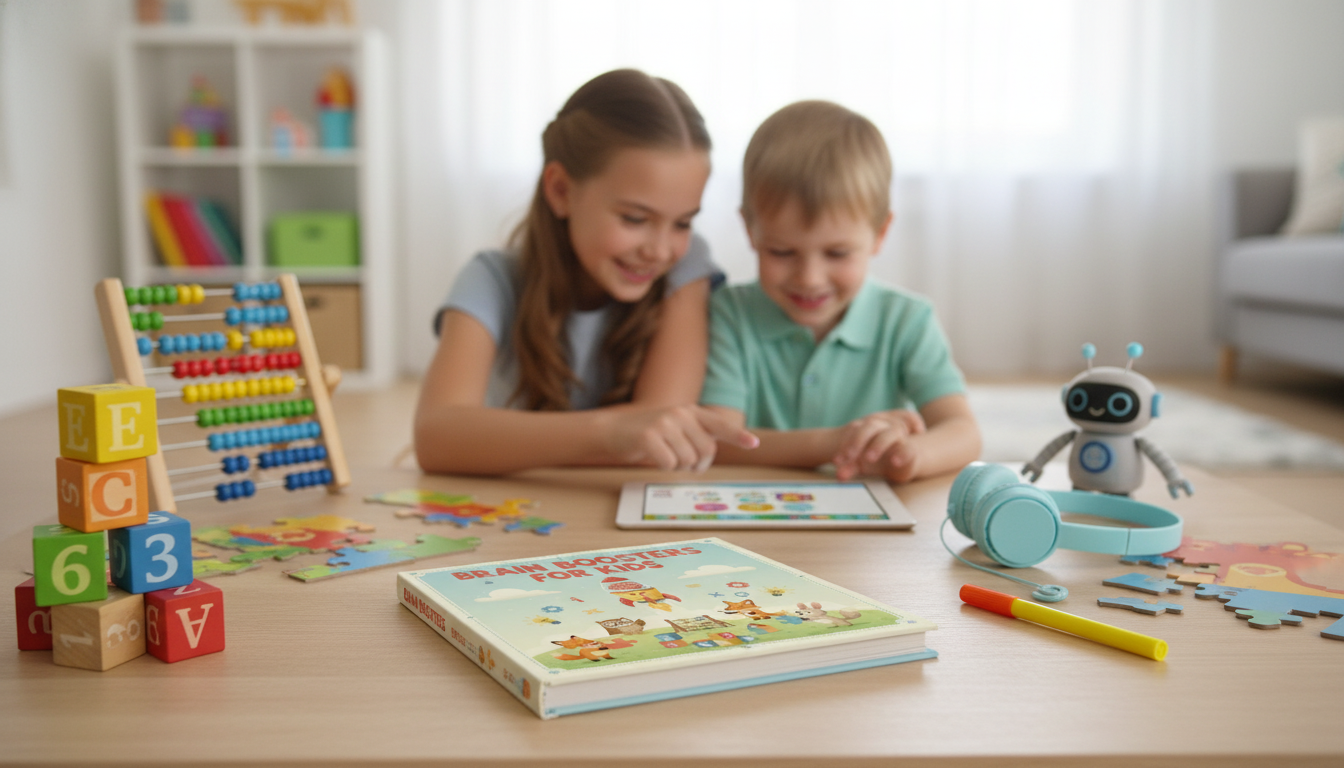
Brain Boosters for Kids: Memory Tips, Playful Learning Strategies, and Helpful AI Tools
Stronger memory in kids comes from a mix of healthy routines, engaging practice, and simple systems that make learning feel doable. The most effective “brain boosters” are consistent sleep, movement, nutrition, playful recall games, and age-appropriate study habits—plus optional AI tools that reduce friction for parents and kids. When the basics are steady, even short daily practice can make remembering feel easier and more automatic.
How Kids’ Memory Grows (and What Helps It Stick)
Kids don’t have one single “memory.” Different types of memory develop at different rates, and each one responds to slightly different support.
Working memory: holding info briefly
Working memory helps kids keep information in mind for a moment—like following multi-step directions or doing mental math. Support it with shorter instructions, one step at a time when needed, and visual cues (a sticky note checklist or a simple “first/then” card).
Long-term memory: storing facts and experiences
Long-term memory is where information sticks for later. It strengthens with review, storytelling, and linking new ideas to familiar ones (“This word is like…” or “Remember when we saw…”).
Attention is the gateway
Kids remember more when distractions are reduced and the task feels meaningful and manageable. A quiet start, a clear goal, and a short time limit often work better than pushing through a long session.
Emotion and novelty boost recall
Silly stories, movement, and positive feedback often beat longer drills. A quick laugh or an unusual example makes a detail easier to retrieve later.
Daily Brain-Boosting Habits That Matter Most
Before adding more practice, lock in the habits that support focus and recall all day long.
Sleep first
Keep bedtime and wake time consistent, and build a calming wind-down routine (dim lights, predictable steps, and avoiding intense screens right before bed). The American Academy of Pediatrics sleep guidance is a helpful reference for age-appropriate routines.
Movement before homework
A short burst of activity—jumping jacks, a brisk walk, or a two-song dance break—can improve focus for the next task. Think “activate, then concentrate.”
Food and hydration
Regular meals with protein, fiber, and healthy fats support steady energy. Keep water nearby during learning so kids don’t drift into “fuzzy” attention from mild dehydration.
Sunlight and outdoor time
Outdoor time supports mood and attention and helps regulate sleep-wake rhythms. The CDC’s child development resources also highlight how routines and supportive environments shape learning and behavior.
Screen boundaries for focus blocks
When possible, protect short study blocks by turning off notifications and keeping devices out of reach. For practical guidance, the APA’s screen use recommendations can help families set realistic limits.
Fun Memory Games That Don’t Feel Like Studying
Play is powerful because it naturally mixes attention, emotion, and repetition—three ingredients memory loves.
“Teach-back” challenge
After reading or a lesson, have your child explain it in 60 seconds using their own words. If they get stuck, ask a single prompt: “What happened first?” or “What was the main idea?”
Story chain
Each person adds one sentence. Later, retell the whole story in order to practice sequencing and recall. Make the story extra weird to make it memorable.
Treasure-hunt directions
Give 2–5 step instructions based on age (“Grab the blue book, put it on the couch, then bring me a spoon”). Increase complexity over time to build working memory.
Picture peek
Show 10 objects for 20 seconds, cover them, and recall. Then level up by recalling by category (animals, foods, school supplies) to build organization.
Rhythm and rhyme
Simple Study Strategies for Stronger Recall
Spaced review
Retrieval practice
Interleaving
Chunking
Multisensory notes
AI Tools for Kids’ Learning: Practical Uses and Safety Guardrails
Smart ways to use AI at home
Safety guardrails that keep AI helpful
A One-Week Memory-Boosting Routine (Easy to Repeat)
Weekly Brain Booster Plan (15–25 Minutes a Day)
| Day | Activity | Time | Parent Tip |
|---|---|---|---|
| Mon | Teach-back from school notes + 3-question quiz | 15–20 min | Ask: “What was the main idea?” |
| Tue | Picture peek memory game + chunking practice | 15–20 min | Group items by category |
| Wed | Spaced review of Mon/Tue + short movement break | 20–25 min | Keep it light; stop before frustration |
| Thu | Story chain + vocabulary rhyme or chant | 15–20 min | Make it silly to boost recall |
| Fri | Mixed problem set (interleaving) + retrieval practice | 20–25 min | Use hints, not answers |
| Sat | Outdoor scavenger list (sequencing + attention) | 15–25 min | Add 1 step each round |
| Sun | Weekly recap: 5 flashcards + “3 things I learned” | 10–15 min | Celebrate progress, not perfection |
When Memory Struggles Need Extra Support
Guides and Tools That Can Make the Routine Easier
- Brain Boosters for Kids | Guide with Tips for Boosting Memory in Kids, Fun Learning Strategies, and AI Tools (digital guide for a ready-to-use routine and activity ideas)
- Using AI to Organize Kids’ Schedule | Digital Guide for Parents on How to Use AI to Organize Family Schedule (helpful for planning homework blocks, reminders, and break timing)
- Creative Hollow Star Desk Organizer – Pen & Brush Holder for Office or Study (reduces clutter so supplies are easy to find during focus time)
FAQ
What are the fastest ways to improve a child’s memory at home?
Prioritize consistent sleep and daily movement, then add 10–15 minutes of retrieval practice like teach-back or mini-quizzes. Use spaced review across the week so information is revisited in short, low-stress bursts.
Are AI tools safe for kids’ learning?
They can be when used with parent guidance, no personal data is shared, and kids follow a “try first, ask for hints second” rule. Keep sessions short and double-check facts before using anything for schoolwork.
How long should memory practice take each day?
Often 10–25 minutes is enough depending on age, especially when practice is consistent. End before frustration and use short movement breaks to protect attention.








Leave a comment