When Your Child Resists Rules: A Calm Checklist
10% off on product page · save $1.22
When Your Child Resists Rules: A Calm Checklist
Start with connection, then hold the boundary
Resistance doesn’t necessarily mean your child lacks respect. A child may want more independence, feel tired or frustrated, or struggle to stop one activity and begin another. Looking for what might be making the moment hard can help you respond without giving up the rule.
Move close enough to get your child’s attention, speak calmly, and name what you notice. Then state the boundary in a few clear words. For example: “You wish you could keep playing. It’s time to put the toys away.”
You can offer help without turning the limit into a debate: “I’ll put the blocks in the bin while you pick up the cars.” If your child is upset, give them a moment to feel upset while you stay nearby. Understanding the feeling does not mean the toys have to stay out.
When safety is involved, act promptly. If your child is about to run into the street, hold their hand or move them to a safer spot first. You can explain the rule once everyone is safe.
Check the product’s listed specifications when evaluating start with connection, then hold the boundary.
Offer choices within the limit
Give your child two options you can accept. Avoid a yes-or-no question when the action is required: “Which shoes would you like?” is clearer than “Do you want to put on your shoes?” when it’s time to leave.
- Shoes: “Red shoes or blue shoes?” The boundary is that shoes go on before leaving.
- Thrown toy: “You’re upset. I won’t let you throw that.” Move the toy out of reach if throwing continues.
- Bedtime: “One more hug or a short story?” The bedtime routine continues.
Keep consequences related and proportionate. Once everyone is calm, show your child another way to express frustration, such as asking for help. If your child can’t choose, kindly choose for them and offer the help they need.
Check the product’s listed specifications when evaluating offer choices within the limit.
Featured in this guide
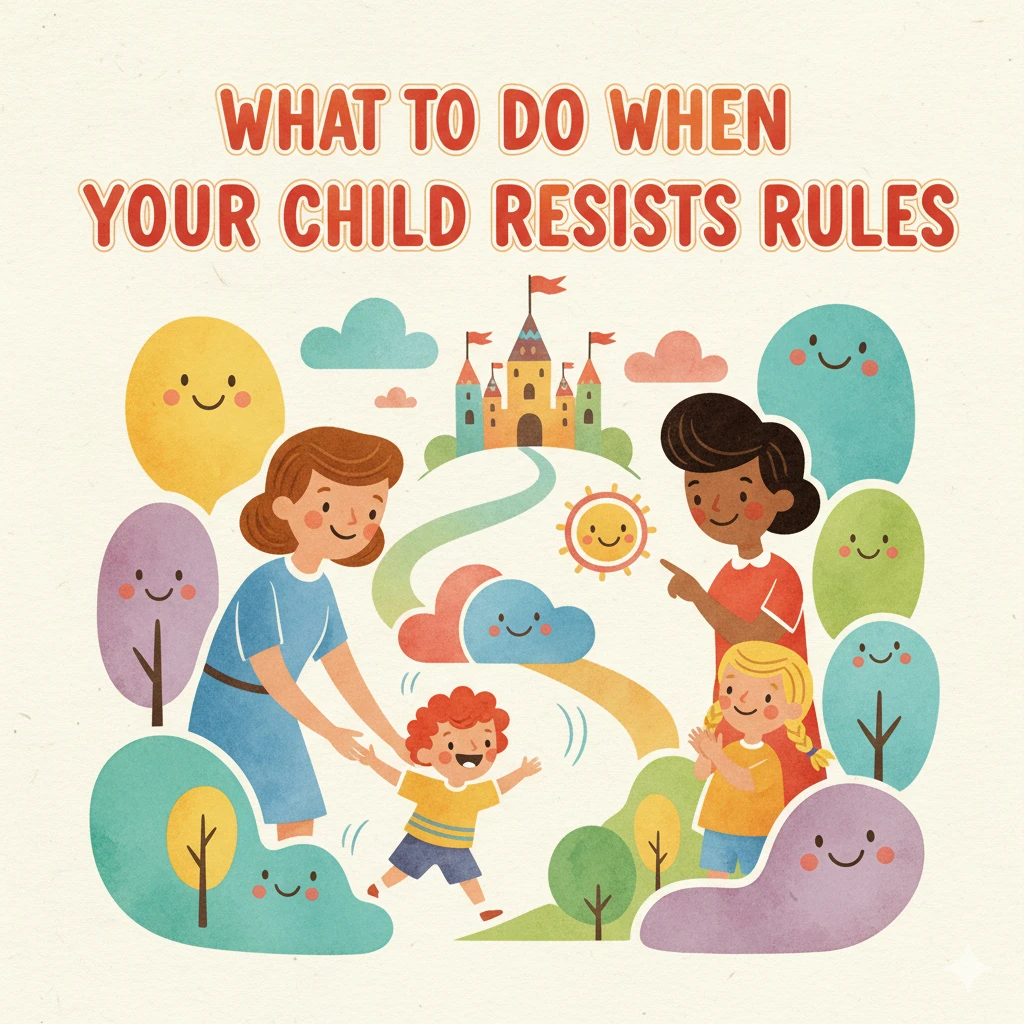
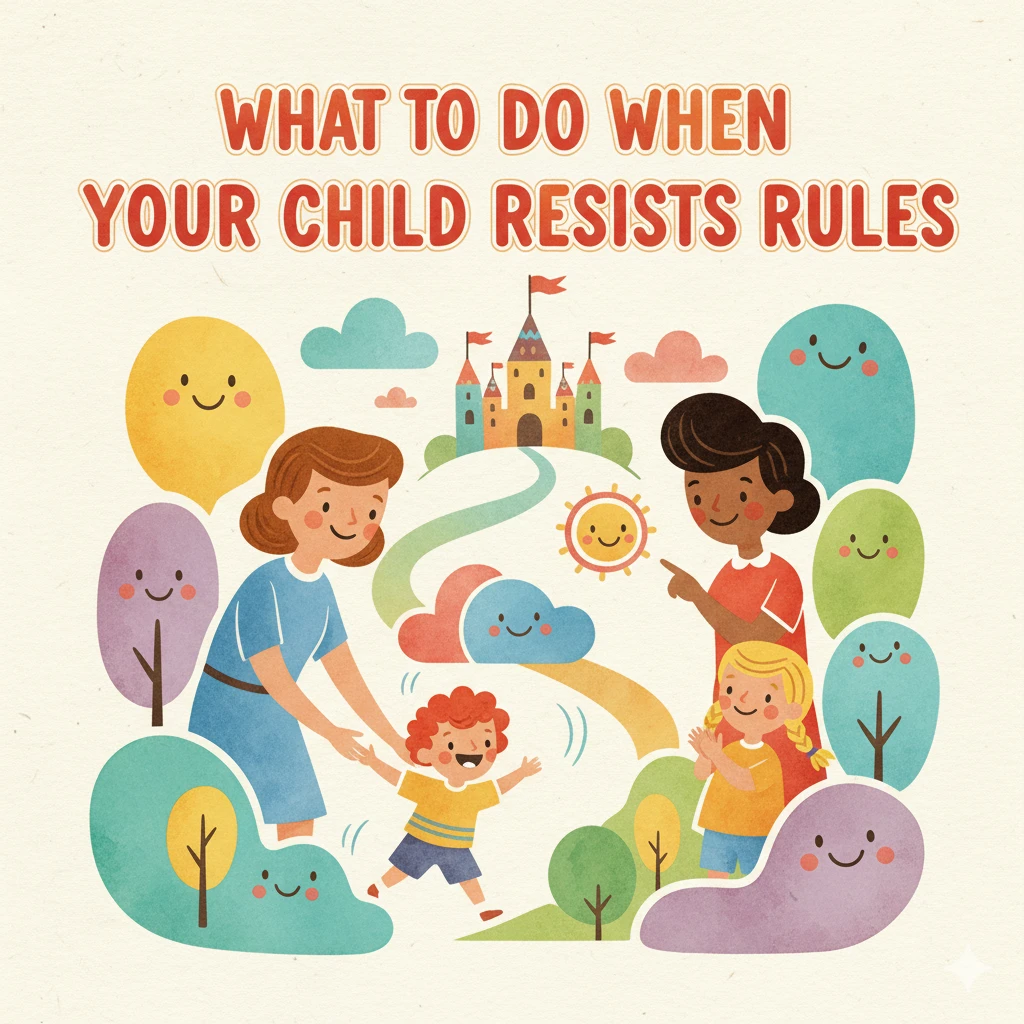
Checklist: What to Do When Your Child Resists Rules | Gentle Parenting Printable | Positive Discipline Guide for Calm, Confident Parents | Instant Digital Download
Keep a reminder close at hand
Our What to Do When Your Child Resists Rules checklist is a gentle parenting printable and positive discipline guide. The instant digital download can serve as a practical reminder when you’re preparing for a difficult transition.
You might print a copy to keep near the door, or refer to the download while planning a response to a recurring challenge. Choose whichever approach is easiest for you to use.
For a getting-dressed routine, you might offer a choice between two suitable outfits. Our Girls Knit Sweater Dress with Heart Print & Ruffle Collar is one option to consider. Make sure both choices are acceptable to you before inviting your child to pick.
Practice outside the difficult moment
Choose a small number of clear rules and explain them when everyone is calm. “We use gentle hands” or “Shoes go on before we leave” gives your child a concrete expectation. Demonstrate what the rule looks like, and practice a transition when you aren’t rushing.
Notice cooperation specifically: “You put the cars away when it was time to leave.” After a hard moment, reconnect with a hug, a quiet conversation, or time together. If you lost your temper, a simple apology can model taking responsibility while leaving the boundary in place.
For more age-specific ideas, explore the CDC’s positive parenting tips and the American Academy of Pediatrics’ discipline guidance. If behavior creates ongoing safety concerns or seriously disrupts daily life, talk with your pediatrician or a qualified child-development professional.
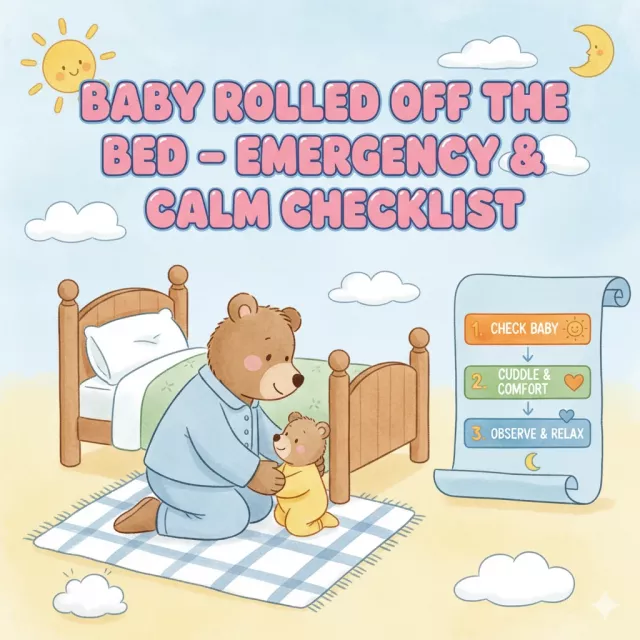
The Baby Rolled Off the Bed – Emergency & Calm Checklist | What to Do When Baby Rolls Off Bed | Instant Digital Download | Printable First Aid & Safety Guide for New Parents works alongside the featured product; it provides a defined sleep surface during family stops and overnight travel.
FAQ
Why is my four year old so defiant?
Growing independence, strong feelings, tiredness, and developing self-control can all contribute to resistance at four. One behavior alone does not establish a diagnosis.
What are some signs that my child doesn’t respect me?
Disagreement or an emotional outburst does not necessarily mean your child disrespects you. Look at patterns, your child’s developmental stage, and possible unmet needs while maintaining respectful boundaries.
What happens during the limbic leap in 4-year-olds?
“Limbic leap” is not a standard diagnosis or a precisely defined developmental stage. Four-year-olds can experience strong emotions while their ability to manage impulses is still developing, but individual development varies.
See if Checklist: What to Do When Your Child Resists Rules | Gentle Parenting Printable | Positive Discipline Guide for Calm, Confident Parents | Instant Digital Download fits your setup
Recommended for you









Leave a comment