Kids Chore Readiness Checklist and Printable Chart

50% off on product page · save $4.99
Kids Chore Readiness Checklist and Printable Chart
Start with readiness, not perfection
Age is a useful starting point, but it isn’t the whole story. Consider how long your child can focus, which movements feel comfortable, whether the task interests them, and how much supervision they need. A child who loves sorting may enjoy matching socks long before they’re ready to sweep a floor.
Choose one task that fits into your day. Demonstrate it slowly, then do it together until your child feels comfortable. You might say, “First we pick up the blocks, then we put them in the bin.” One clear direction at a time can make a new job feel less overwhelming.
Expect some spills, uneven stacks, and reminders. Praise the effort you notice: “You kept working until all the books were on the shelf.” If the task takes more energy than your child has that day, help them finish or try again later. The goal is participation, not a flawless result.
Match the task to your child
These age ranges are flexible suggestions, not milestones. Simplify a job or offer more support whenever your child needs it. Keep sharp objects, strong cleaning products and heavy loads out of young children’s tasks, and stay close whenever safety or the activity calls for it.
Make the space manageable, too. A low toy bin or uncluttered shelf can reduce reaching and lifting. If your child helps feed a pet, an adult remains responsible for making sure the animal’s needs are met. Supervise snack preparation as needed.
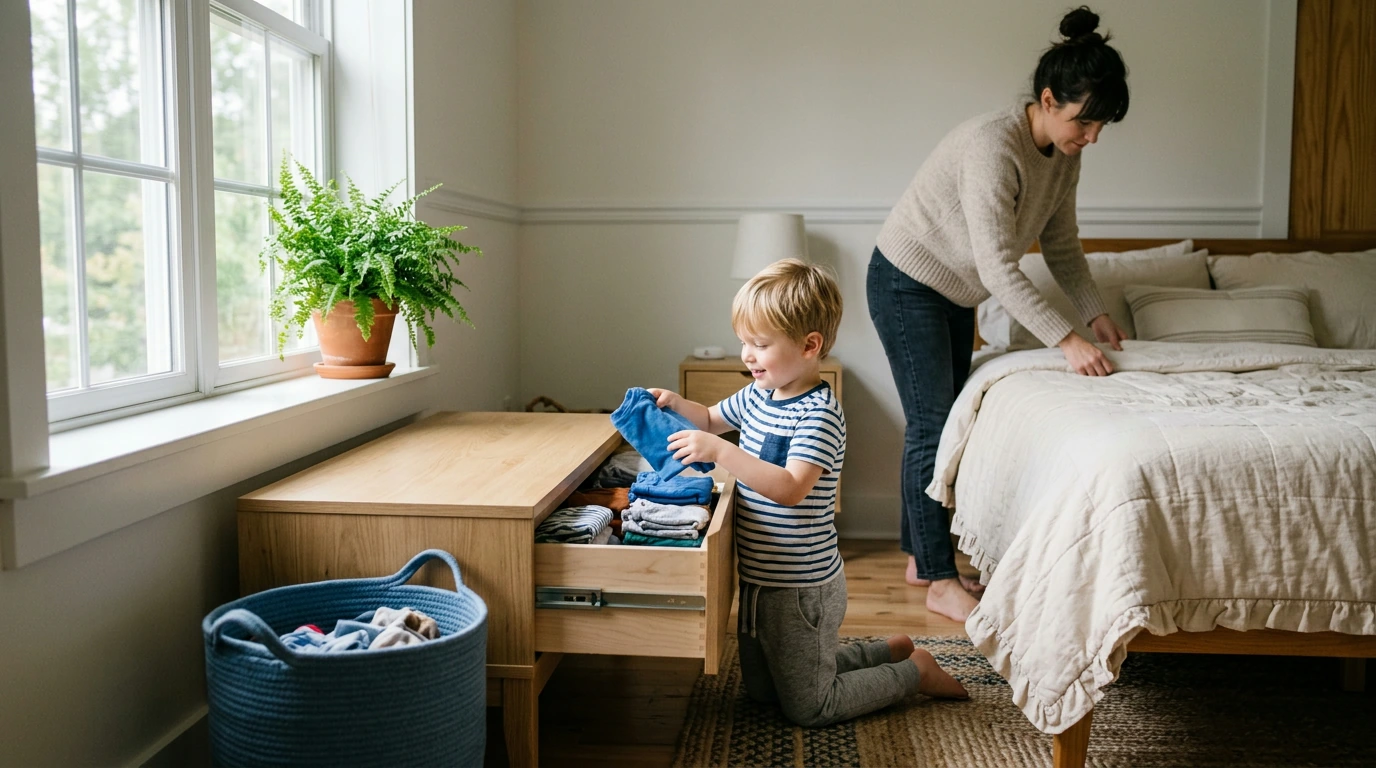
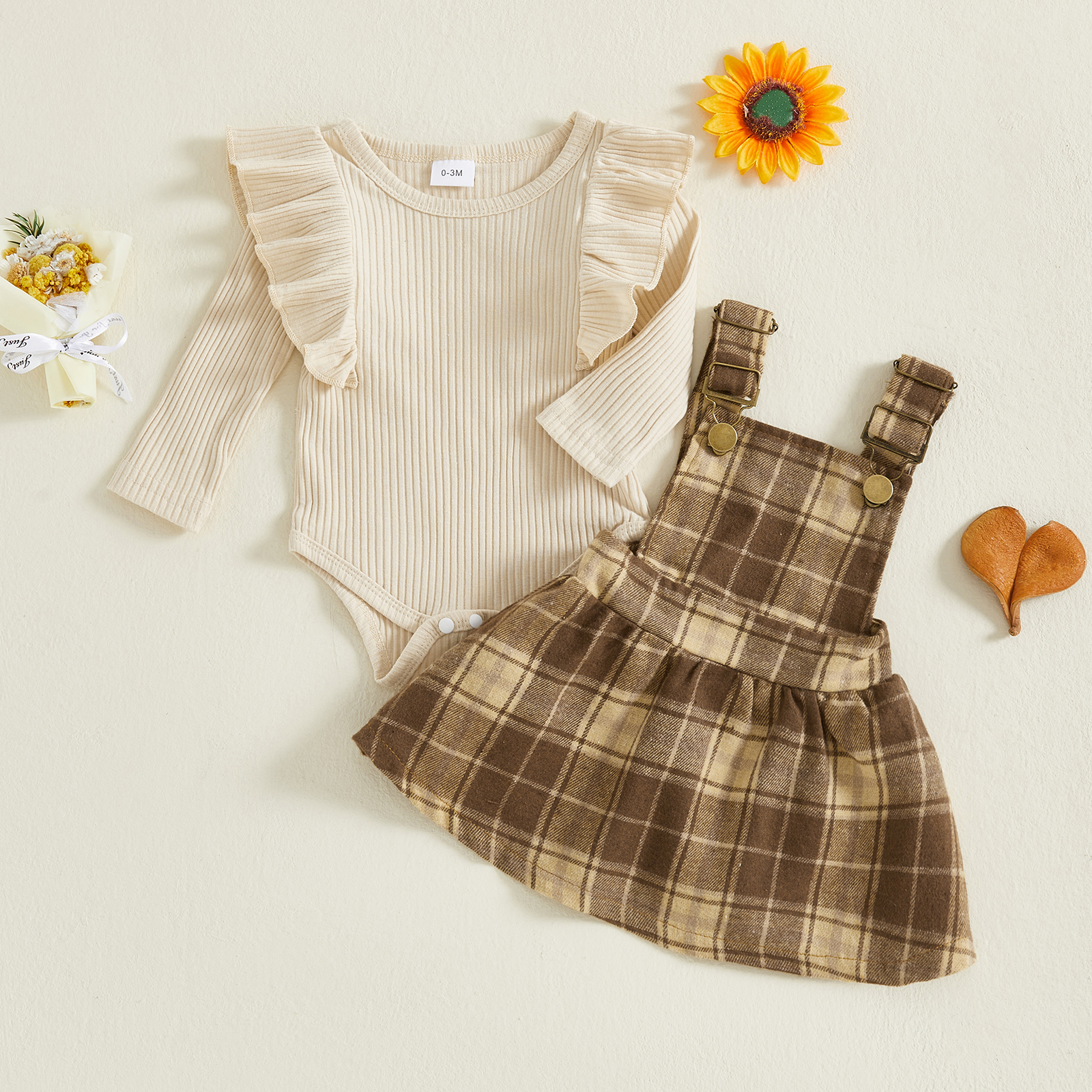
Laundry can begin with matching socks. If you’re putting away a Girls Knit Sweater Dress with Heart Print & Ruffle Collar, you can invite your child to help place it in its drawer while you handle any care instructions.
Featured in this guide
Kids Chore Readiness Checklist | Printable Chore Chart for Children | Age-Appropriate Chores Guide | Digital Download eBook for Parents
Put the printable chart to work
Our digital download for parents brings together a readiness checklist, a printable chore chart and an age-appropriate chores guide. It may suit you if you want a simple way to plan tasks and review a routine with your child.
Begin with a few recurring jobs, such as putting toys away after play or carrying clothes to the hamper. Place the chart where your family can see it and look at progress together regularly. Ask what felt easy and where your child wanted help.
If a job is frustrating, make it a shared task or reduce it to one step. When it becomes easier, you can add a step or offer fewer reminders.
Keep chores cooperative
Offer a choice between two suitable jobs: “Would you rather put the books away or wipe the table with me?” Explain the purpose, too: putting toys in a bin makes them easier to find next time.
For a disliked job, work alongside your child, break it into smaller pieces or rotate responsibilities when practical. Connect a task to an existing routine, such as putting shoes away after coming home. Missed chores call for a calm reminder, not a judgment about your child’s worth.
Before choosing, compare the product details with your daily routine, available space, care needs, and preferred setup. The strongest option is usually the one that fits the intended use clearly and remains simple to clean, store, and check before repeat use.
It is also worth checking measurements, material notes, included parts, and compatibility details so the item matches the way it will be used after delivery.
Before choosing, compare the product details with your daily routine, available space, care needs, and preferred setup. The strongest option is usually the one that fits the intended use clearly and remains simple to clean, store, and check before repeat use.
FAQ
What is the most disliked chore?
There isn’t one chore every child dislikes most; preferences vary. If a job causes resistance, try breaking it into smaller steps, doing it together, or rotating it with another suitable task.
What chores should my 7 year old be doing?
A 7-year-old might sort laundry, wipe a table, or help feed a pet. Demonstrate the steps and provide guidance that fits your child’s abilities.
See if Kids Chore Readiness Checklist | Printable Chore Chart for Children | Age-Appropriate Chores Guide | Digital Download eBook for Parents fits your setup







Leave a comment