6oz Cartoon Silicone Baby Cup with Handles (Leak-Resist)
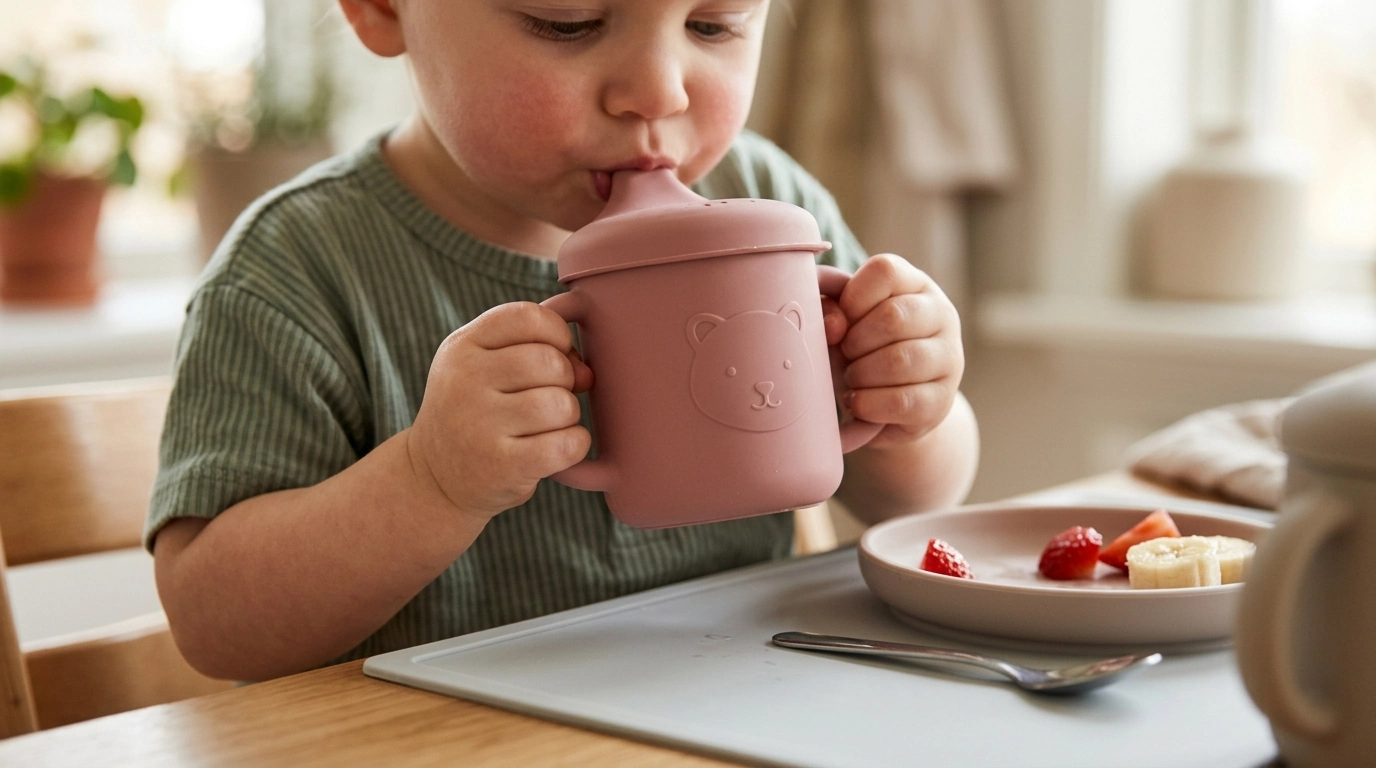
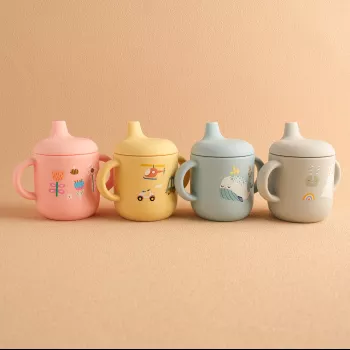
Cartoon Silicone Baby Cup with Handles – 6oz Leak-Proof Drinking Cup
A small cup can make a big difference during the transition from bottle to independent sipping. This 6oz cartoon silicone baby cup with easy-grip handles is designed for everyday water, milk, or diluted juice, with a leak-resistant build that helps reduce mess during practice at home or on the go.
If you’re looking for a compact training cup that feels comfortable in tiny hands and supports steady, confidence-building sips, the Cartoon Silicone Baby Cup with Handles – 6oz Leak-Proof Drinking Cup is a simple, practical option for daily routines.
What makes this cup toddler-friendly
Early drinking skills can be surprisingly challenging: grip strength is developing, coordination is inconsistent, and “too much at once” often turns into coughing or a lap full of milk. This cup is built around a few toddler-friendly details that make practice feel more manageable.
- Two side handles support an easy, steady grip for small hands learning control and coordination.
- 6oz capacity is a manageable portion for early sippers and reduces heavy-cup tipping.
- Soft silicone feel can be gentler on gums than rigid plastic during the learning phase.
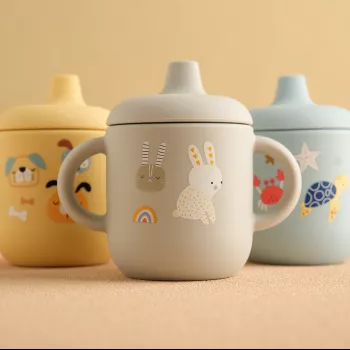
- Cartoon styling can help encourage routine drinking during meals and snack time.
For families working on the bottle-to-cup transition, the American Academy of Pediatrics offers helpful guidance on timing and habits that support an easier changeover: HealthyChildren.org (AAP).
At-a-glance details
This handled silicone training cup is meant for everyday beverages served at kid-safe temperatures. It’s a good “middle step” for families moving from assisted drinking to more independent routines.
- Type: silicone baby/toddler training cup with handles
- Capacity: 6oz
- Use cases: water, milk, toddler-safe beverages (temperature-appropriate)
- Best for: assisted sipping practice through more independent drinking routines
Quick product specs
| Feature | Details |
|---|---|
| Product | Cartoon Silicone Baby Cup with Handles – 6oz Leak-Proof Drinking Cup |
| Capacity | 6oz |
| Material | Silicone (cup body) |
| Grip | Dual handles for small hands |
| Leak resistance | Leak-proof / leak-resistant design (varies with lid fit and usage) |
| Availability | In stock |
Leak resistance: what to expect in real life
“Leak-proof” is the goal, but real-life results depend heavily on how the cup is assembled and how it’s used (especially during the enthusiastic shaking stage). With any toddler cup, the most common causes of drips are simple, fixable issues.
- Leak-proof performance depends on correct assembly and a fully seated lid/spout/straw (if included with the specific variant).
- Most spills happen during vigorous shaking, chewing on the top, or when the cup is not properly closed.
- For best results: confirm all parts are aligned, test with water over the sink, and re-seat components if dripping occurs.
- If used for warm liquids, allow cooling first—heat can increase internal pressure and encourage drips when tipped.
If drips start showing up after weeks or months of use, check for wear around seals or any flexible drinking openings. Even small tears or stretching can reduce leak resistance over time.
Comfort and motor-skill support
The easiest cup for a toddler is often the one that matches their current coordination level. The dual-handle design supports two-handed drinking first, then naturally transitions toward more independent one-handed control.
- Handles give infants and toddlers a stable position for two-handed sipping, then can progress to one-handed use over time.
- A smaller cup profile is easier to lift without over-tilting, which can help reduce coughing or sudden gulping.
- Silicone texture can improve grip even with slightly wet hands, supporting more confident practice.
- A visually engaging cartoon design can help build positive association with hydration routines.
For age-appropriate beverage ideas and balanced feeding basics, the CDC’s infant and toddler nutrition guidance is a solid reference: CDC Infant and Toddler Nutrition.
Cleaning and daily care
Frequent washing is important for any milk cup, and silicone drinkware benefits from thorough drying. A few small habits can help keep the cup fresh and ready for daily use.
- Rinse promptly after milk or sweetened beverages to prevent residue buildup and odors.
- Wash with warm, soapy water; use a small brush for any narrow drinking openings if applicable.
- Air-dry fully before reassembling to reduce moisture trapped in seams or valves.
- Periodically inspect for wear (tears, thinning silicone, loose parts) and replace if any damage is found.
Safety notes for cup use
Training cups are everyday essentials, but they still require a few consistent safety habits—especially during the early stages of sipping practice.
For practical cavity-prevention basics (including how frequent sipping can affect teeth), see the American Dental Association’s children’s oral health resources: American Dental Association (Children’s Oral Health).
When this cup is a good fit
In-stock picks to pair with your order
- Cartoon Silicone Baby Cup with Handles – 6oz Leak-Proof Drinking Cup (in stock)
- Girls Knit Sweater Dress with Heart Print & Ruffle Collar (in stock)
- Kids’ 12V Ride On Land Rover with Remote Control and LED Lights (in stock)
FAQ
What age is a handled silicone cup best for?
Many babies start practicing with training cups around 6 months once they can sit with support, but readiness varies. Look for steady head control and interest in sipping, and always supervise while drinking; follow your pediatrician’s guidance for your child’s stage.
Is a silicone baby cup dishwasher safe?
Many silicone cups are top-rack dishwasher safe, but care can vary by design and any included parts. Disassemble components before washing when possible and make sure everything dries fully before reassembly.
How do you keep a leak-proof toddler cup from dripping?
Start by confirming the lid and any seals/valves are fully seated and aligned, and avoid overfilling. Keep vent holes clear, test with water over the sink after reassembly, and replace parts if wear or small tears reduce leak resistance.








Leave a comment