Toddler Early Wake-Ups: 7-Day Checklist to Fix 5 a.m.
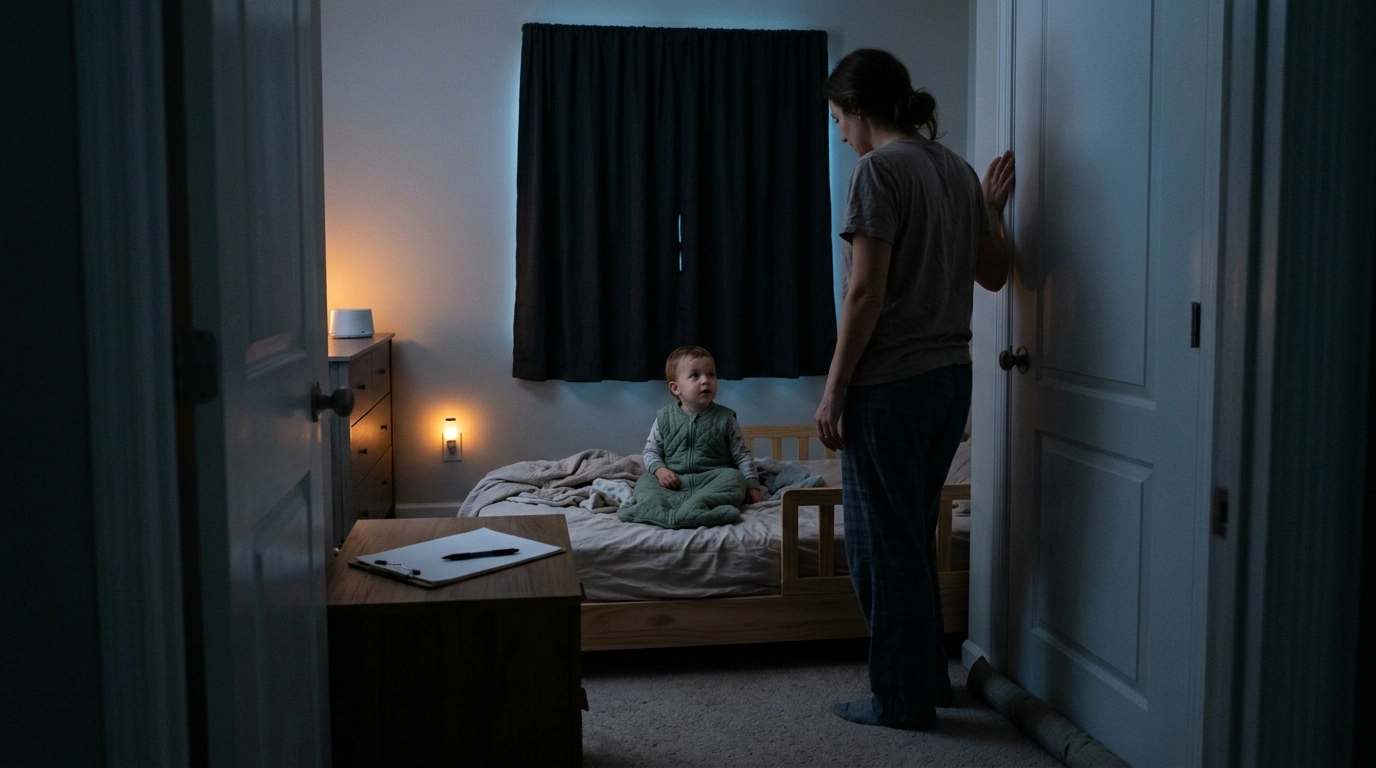
Toddler Early Wake-Ups: A Practical Checklist to Find the Real Cause (and Fix It)
Early mornings can feel relentless—especially when a toddler pops awake before the household is ready. The fastest way to improve wake-up time is to narrow down the most common causes (schedule, sleep environment, light, hunger, habit, or discomfort) and test changes in a consistent order for several days. A checklist approach keeps adjustments targeted and trackable, so you’re not guessing at 5:12 a.m.
First, confirm what counts as an “early” wake-up
A wake-up is typically considered “early” when it happens before your child’s usual wake time and before a sustainable household start time—often before 6:00 a.m. Before making changes, look for repeatable patterns: the exact time, your toddler’s mood on waking, nap quality the day before, bedtime resistance, and whether they ever fall back asleep.
Also separate a brief stir (settles within 5–10 minutes) from a full wake-up that requires caregiver help. If early wake-ups come with loud snoring, pauses in breathing, persistent mouth-breathing, or extreme daytime sleepiness, it’s worth checking in with your pediatrician.
Quick clues: what the wake-up looks like and what it often points to
| What you see | Most common underlying causes | First adjustment to try |
|---|---|---|
| Wakes happy and ready to play at 5–5:30 a.m. | Bedtime too early, nap ending too late, strong body clock habit | Shift schedule by 10–15 minutes for 3–4 days; keep morning light low until desired wake time |
| Wakes crying/upset and hard to resettle | Overtiredness, discomfort (temperature/diaper/teething), separation anxiety | Earlier bedtime for 3 nights; quick comfort check; verify room temp and clothing layers |
| Wakes at the same minute daily | Environmental cue (light/noise), habitual waking, hunger | Blackout the room; add steady white noise; offer a more filling dinner or bedtime snack (if appropriate) |
| Wakes after a restless second half of night | Too much daytime sleep, late nap, inconsistent bedtime routine | Cap nap length or end nap earlier; stabilize bedtime routine timing |
Step-by-step checklist: the most common reasons toddlers wake too early
1) Light exposure (the biggest body-clock driver)
Sunrise, hallway light, and even tiny electronics LEDs can cue “morning.” Prioritize blackout solutions, cover pinprick lights, and keep pre-wake interactions dim. Morning light is powerful—so if you want a later start, don’t “turn on the day” early.
2) Noise changes
Garbage trucks, birds, siblings, or a furnace kick-on can trigger partial arousals that become full wake-ups. A consistent white noise sound can mask sudden changes better than a silent room. If sound leaks under the door, a draft stopper can help.
3) Temperature and comfort
Many toddlers wake when they get cold in the early morning hours (body temperature dips overnight). Check room temperature and consider adding a safe sleep layer. If your toddler wakes chilly or asks for a sweater right away, having a cozy option ready can reduce the “I’m up because I’m uncomfortable” cycle—something like the Girls Knit Sweater Dress with Heart Print & Ruffle Collar can double as a warm morning layer for getting through the “not-yet-morning” window.
4) Hunger or thirst
Early waking sometimes spikes during growth spurts or after a lighter dinner. If it fits your routine and your pediatrician’s guidance, try a balanced dinner (protein + complex carbs + healthy fat) and a small bedtime snack. The goal is preventing “woke up starving” from becoming a daily habit, not creating a new snack dependency at 4:58 a.m.
5) Schedule mismatch (too early or too late)
Bedtime can be too early (not enough sleep pressure to reach a later morning) or too late (overtired cortisol can cause early waking). Move in small increments—10 to 15 minutes—and hold steady long enough to see the effect.
6) Nap timing and length
7) Sleep associations
8) Development and separation anxiety
9) Illness, allergies, or discomfort
For broader sleep habit guidance, see the American Academy of Pediatrics sleep resources and the CDC overview on sleep.
A 7-day “test and track” plan that avoids random guessing
Days 1–2: Environment lock-in
Days 3–4: Schedule tuning
Days 5–6: Nap calibration
Day 7: Habit reinforcement
Handling the early wake-up in the moment (without accidentally training it)
Common mistakes that keep early mornings stuck
A ready-to-use checklist for faster troubleshooting
If a printable guide would make it easier to stay consistent, the Toddler Early Wake-Ups Checklist (digital download) is designed for quick daily check-offs and notes so you can see what’s actually moving the needle.
FAQ
Why is my toddler waking up at 5 a.m. every day?
When wake-ups happen at the same time daily, the body clock is usually being reinforced by early light, early breakfast, or a consistent environmental cue (noise or a sliver of sunrise). Start by blacking out the room and delaying bright light/food until your desired wake time, then try a small schedule shift for several days.
Should bedtime be earlier or later to stop early wake-ups?
Cranky, upset early wakes often improve with an earlier bedtime for a few nights, while happy, wide-awake early wakes often improve with a slightly later bedtime. Move bedtime by 10–15 minutes and hold it steady for 3–4 nights before adjusting again.
How long does it take to fix early toddler wake-ups?
Many environment and schedule changes show results within 3–7 days, especially when you keep mornings dim and consistent. If early waking has become a strong habit, it can take longer—consistency and tracking are what shorten the process.











Leave a comment