Language Development Observations: Ages 18–36 Months

What are the observation of language development in children 1.5 to 3 years old?
Between 18 months and 3 years, language can change quickly—sometimes in sudden bursts. Useful observations focus on how a toddler understands words, how many words they use, how they combine words, and how clearly they communicate needs. Keep in mind that development varies, especially for children learning more than one language or those who are late talkers but strong communicators in other ways.
18–24 months: early words and growing understanding
Many toddlers start using more consistent single words (like “mama,” “ball,” “up”) and may add new words weekly. You may notice they understand far more than they can say—following simple directions (“get your shoes”) and pointing to familiar people or objects when named. Gestures often support speech: pointing, waving, and bringing items to show you.
24–30 months: word bursts and simple phrases
Vocabulary often expands rapidly. A common observation is the move from single words to short combinations such as “more milk,” “go outside,” or “daddy car.” Toddlers may label many everyday items and start using early pronouns and action words. You might also hear “no” frequently, along with requests and protests that are easier to understand because they’re paired with tone and gestures.
30–36 months: clearer sentences and conversation skills
By age 3, many children use longer phrases, ask basic questions, and talk about what they’re doing. They may retell simple events (even if out of order) and begin taking turns in “conversations,” especially with familiar adults. Speech is usually becoming clearer, though some sound substitutions are still typical at this age.
How to observe progress at home
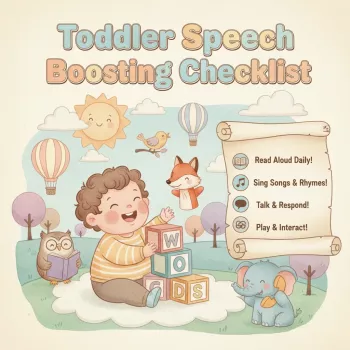
Look for patterns during routines: meals, bath time, dressing, and play. Note new words, two-word combinations, and whether your child can respond to questions or follow two-step directions. For a practical way to track words and build routines around language, visit this toddler vocabulary checklist and routine word builder.
FAQ
How can I encourage my toddler to talk more during daily routines?
Narrate what you’re doing, offer simple choices (“apple or banana?”), and pause to give your child time to respond. Repeat their attempts warmly and expand by one or two words (child: “truck,” adult: “big truck goes”).








Leave a comment