AI Meal Planning for Kids: eBook for Busy Parents

Meal planning for kids can feel like a daily puzzle: nutrition, pickiness, time, budget, allergies, and endless requests for “something fun.” A practical digital guide can turn that chaos into a repeatable system—especially when you use AI as a planning partner to translate your family’s real-life constraints into doable weekly menus, kid-friendly ideas, and shopping lists that match your schedule.
Why AI Helps When Kids’ Meals Get Complicated
Kids’ meals come with more moving parts than adult meal planning. When you’re juggling school rules, sports practice, sensory preferences, and grocery prices, it helps to have a fast way to generate options you can actually use.
- Works with your constraints: Allergies, picky preferences, time limits, budget caps, and equipment (air fryer, slow cooker, microwave) can all be included upfront.
- Adds variety without losing “safe” foods: You can keep familiar staples while rotating sauces, shapes, sides, and presentations to prevent burnout.
- Makes meals feel fun: Think theme nights, “build-your-own” plates, bento-style layouts, dips, and simple shapes—without needing advanced cooking skills.
- Adapts when plans change: Late meetings, missing ingredients, leftovers, or sudden dislikes can be handled by asking for quick swaps instead of starting over.
What’s Inside the Digital Download
The goal isn’t perfection—it’s a reliable rhythm: plan once, shop efficiently, prep lightly, and adjust as the week unfolds. The guide is built to help you describe your child’s needs clearly, request realistic ideas, and turn those ideas into a workable routine.
Quick Start: What You’ll Build Each Week
| Output | What it includes | Why it helps |
|---|---|---|
| Weekly menu | Breakfast, lunch, dinner, snacks | Reduces daily decision fatigue |
| Shopping list | Grouped by store section | Faster trips and fewer missing items |
| Prep plan | 15–60 minute batch tasks | Weeknights stay manageable |
| Lunchbox rotation | Mix-and-match mains, sides, add-ons | Less waste, more variety |
| Leftover map | Planned reuse nights | Saves money and time |
A Parent-Friendly Workflow for AI Meal Planning
For general nutrition benchmarks and balanced plate ideas, useful references include USDA MyPlate and the American Academy of Pediatrics nutrition resources.
Prompt Starters That Get Better Results
Sample Prompts to Copy and Customize
| Goal | Prompt snippet | Tip |
|---|---|---|
| Week plan | Create a 7-day menu for 2 kids (ages 5 and 9). No peanuts. Weeknight dinners under 25 minutes. Include 2 leftover nights. | Add your actual schedule for better pacing |
| Lunchbox | Give 10 nut-free lunchbox combos that hold up for 4 hours. Include 1 main, 2 sides, and a fruit/veg. | Ask for a grocery list for the combos |
| Picky eating | Suggest dinners with hidden veggies where the texture stays crisp, not soft. Provide 3 options and kid-friendly names. | Request “no blender required” if you prefer |
| Budget | Plan dinners for a family of 4 under $X/week using pantry staples like rice, pasta, beans, eggs. | Ask for a store-aisle list |
| Allergy swaps | For these 5 meals, provide dairy-free alternatives and a note on taste/texture changes. | Always verify labels and cross-contact risk |
A Week of Healthy, Fun Meal Ideas (Example Schedule)
Keeping Nutrition and Safety Front and Center
- Prioritize weekly balance over perfect macros at every meal.
- Watch added sugars and sodium in packaged “kid” foods; swap in lower-sugar yogurts, less-sweet cereals, or homemade snack plates.
- For food safety basics (storage, cooking temps, leftovers), follow CDC food safety guidance.
- If a child has medical needs (diabetes, ARFID, GI conditions), confirm changes with a pediatrician or dietitian.
Time-Saving Systems: Shop Once, Prep Lightly, Reuse Smartly
15-Minute Backup Meal Ideas
| Backup meal | What you need | Kid-friendly twist |
|---|---|---|
| Breakfast plate | Eggs, toast, fruit | Cut into bite-size “snack plate” sections |
| Quick quesadillas | Tortillas, cheese, beans/chicken | Serve with a dip trio (salsa, yogurt, guac) |
| Pasta + veg | Pasta, frozen veg, olive oil/cheese | Use fun shapes; add a “sprinkle topping” |
| Soup + sandwich | Canned/quick soup, bread | Make mini sandwiches with a simple cut-out shape |
| Rice bowl | Microwave rice, protein, veg | Let kids build their own bowl |
Get the eBook Download
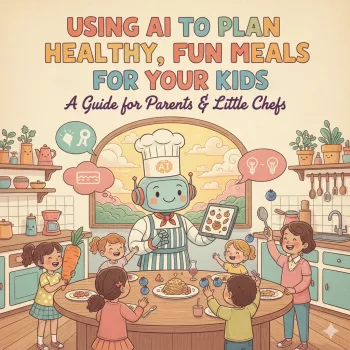
For a ready-to-use system—templates, weekly flow, and copy-and-use starters—start here: Using AI to Plan Healthy, Fun Meals for Your Kids (Digital eBook Download). It’s designed for busy schedules, picky preferences, and flexible family routines, and it works with omnivore, vegetarian, dairy-free, gluten-free, or mixed households.
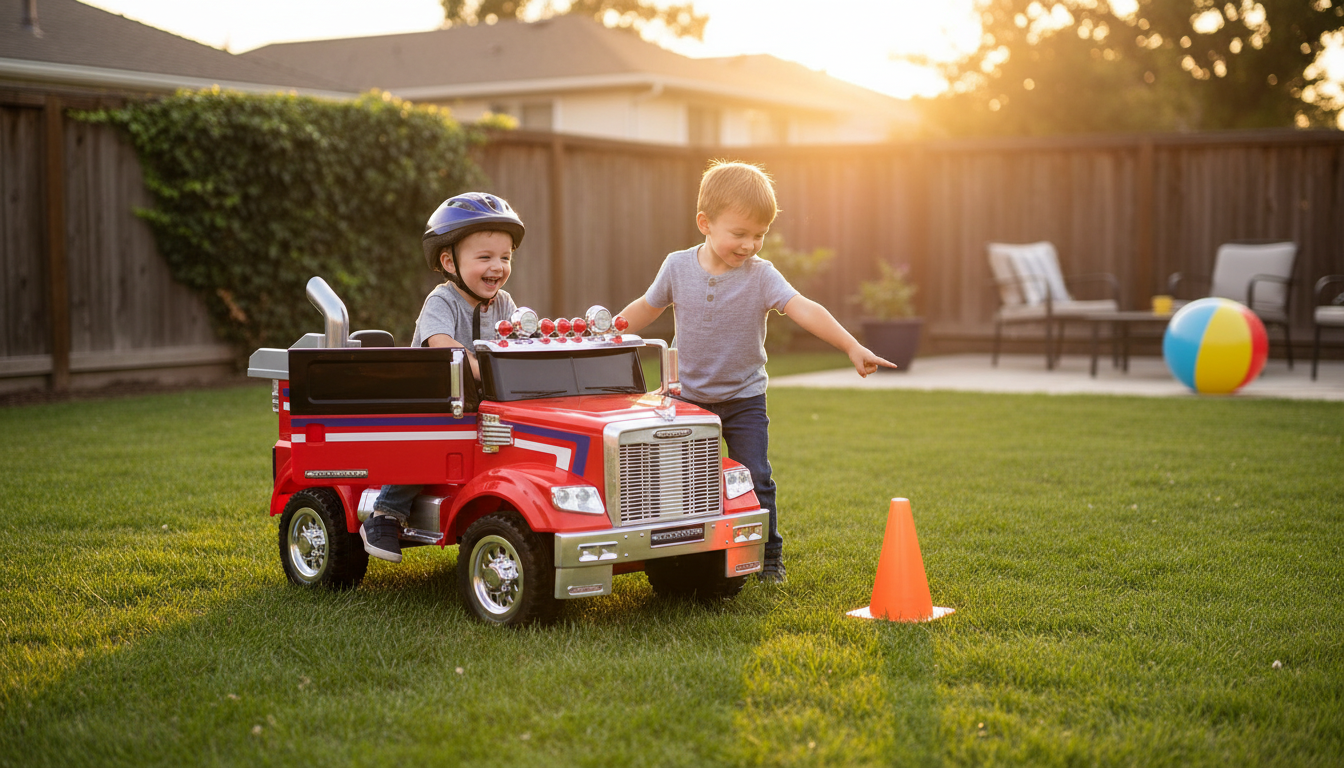
To make planning time smoother, it also helps to keep kids happily occupied while you prep. Consider a high-energy play option like the High-Speed 1/8 Scale Monster Tank RC Car for outdoor breaks, or a driveway cruiser like the Kids’ 12V Ride On Land Rover with Remote Control and LED Lights for supervised play before dinner.
FAQ
Is AI meal planning safe for kids with allergies?
AI can suggest ideas, but parents should verify every ingredient label, watch for cross-contact risks, and confirm substitutions—especially for severe allergies. Use clear allergy constraints and double-check with trusted resources or your child’s clinician when needed.
What information should parents give AI to get realistic meal plans?
Share ages, allergies, texture or flavor dislikes, your weekly schedule, time limits, available equipment, budget, preferred cuisines, and whether leftovers are welcome. Asking for multiple options per meal plus one consolidated shopping list usually produces the most usable results.
Can AI help with picky eating without turning dinner into a battle?
Yes—focus on low-pressure strategies like offering a “safe food,” keeping portions small, repeating exposure, and using build-your-own meals with dips. Requests that emphasize mild flavors, crunchy textures, and familiar formats can make new foods feel less threatening.









Leave a comment