Toddler Nightmares: Calm Scripts & Bedtime Fixes

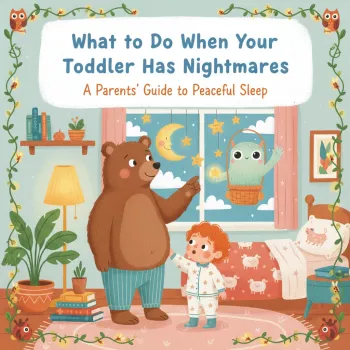
What to Do When Your Toddler Has Nightmares: Practical Comforting Tips & Bedtime Solutions
Nightmares can feel sudden and intense for toddlers—waking in tears, calling for a parent, and struggling to settle back down. With a steady, predictable response and a few daytime and bedtime adjustments, most families can reduce how often nightmares happen and help a child feel safe again quickly. The goal is simple: reassure first, then rebuild confidence at bedtime with routines that fit toddler development.
Nightmares in Toddlers: What’s Normal and What’s Not
Nightmares are scary dreams that usually happen in the second half of the night. Toddlers often wake fully, cry, and seek comfort. As imagination and language grow, nightmares can show up even before preschool age—especially during big developmental leaps or family changes.
Common triggers include overtiredness, irregular sleep schedules, scary media, illness, and stress (like a new sibling, moving, or a new daycare room). If your child seems confused, glassy-eyed, or doesn’t recognize you, that may be a night terror (a different sleep event), not a nightmare.
Consider seeking guidance if nightmares are frequent and disrupt daytime functioning, if there are signs of trauma, if there’s loud snoring or gasping, or if sleep problems persist despite routine changes. For more background, see guidance from HealthyChildren.org (American Academy of Pediatrics) and the Sleep Foundation.
Quick guide: nightmare vs. night terror
| Feature | Nightmare | Night terror |
|---|---|---|
| Timing | Often later in the night | Often within first 1–3 hours of sleep |
| Awareness | Child wakes and can be comforted | Child may seem awake but is hard to console |
| Memory | May recall parts of the dream | Usually no memory the next day |
| What helps most | Reassurance, closeness, return to sleep routine | Keep safe, wait it out, avoid fully waking |
The First 5 Minutes After a Nightmare: A Calming Script That Works
Those first moments set the tone. The fastest path back to sleep is calm, brief, and predictable.
- Start with safety cues: turn on a dim light, speak softly, and use your child’s name to orient them.
- Validate without confirming the dream is real: “That was really scary. You’re safe. I’m here.”
- Offer brief physical comfort: a hug or hand on their back for a minute, then reduce stimulation.
- Keep words short: too many questions can restart fear and increase wakefulness.
- Guide the body back to calm: take 3 slow breaths together, count to five, offer a small sip of water if needed.
- Return to the bed routine: same phrase, same steps, same order—predictability is soothing for toddlers.
What Not to Do (Even When Exhausted)
- Avoid long negotiations or screens. Both reinforce wakefulness and can lead to more bedtime resistance later.
- Avoid elaborate “monster searches.” Trying to prove something isn’t there can accidentally signal that the threat might be real.
- Avoid shaming or minimizing. “Big kids don’t cry” and “It’s nothing” can intensify distress and make it harder to settle.
- Avoid brand-new sleep crutches at 2 a.m. If you can’t repeat it nightly (car rides, couch sleeping), it often backfires.
- Avoid processing the whole dream in the moment. Save problem-solving for daytime, when emotions are lower.
Bedtime Routine Upgrades That Reduce Nightmares
Nightmares often cluster when toddlers are overtired or overstimulated. Small routine tweaks can make a noticeable difference within a week.
Daytime Support: Helping Toddlers Process Fear Before Night
If your toddler needs extra “fill the cup” time, simple shared play can help. A few minutes of parent-led, child-directed play (where your toddler chooses the activity) can reduce clinginess at bedtime. Some families like having a special daytime toy that becomes part of a predictable connection routine, such as the High-Speed 1/8 Scale Monster Tank RC Car (kept for daytime use so excitement doesn’t spill into bedtime).
If Nightmares Keep Happening: A Simple 7-Night Reset Plan
A Ready-to-Use Guide for Tough Nights
If you want a structured, parent-friendly template with scripts and routine checklists, consider What to Do When Your Toddler Has Nightmares | Ebook Guide for Parents | Practical Comforting Tips & Bedtime Solutions. For cozy wind-down time (like books and cuddles before bed), some families also like setting aside a special “evening outfit” that signals calm, such as the Girls Knit Sweater Dress with Heart Print & Ruffle Collar.
FAQ
How can a parent tell the difference between a nightmare and a night terror?
Nightmares usually happen later in the night, and your child wakes up, recognizes you, and can be comforted—sometimes remembering parts of the dream. Night terrors typically occur in the first few hours of sleep, and a child may look awake but be confused and hard to console, with no memory the next morning; focus on safety and let it pass without fully waking them.
Should a toddler sleep in a parent’s bed after a nightmare?
Brief comfort is fine, but returning your toddler to their own bed with the same calming steps helps prevent new sleep expectations. Exceptions happen (illness, travel, major disruptions), but once things stabilize, transition back by sitting near their bed and gradually reducing support over a few nights.
Do night lights or white noise help with toddler nightmares?
A dim night light can reduce fear of darkness and help toddlers re-orient quickly after a bad dream. White noise can prevent startles from household sounds, but avoid overly bright lights or stimulating devices that can make it harder to fall back asleep.









Leave a comment